Weimar is building for the future – mobility, education and climate at the center of urban construction planning
In February 2026, Weimar is setting stronger impulses in the field of urban construction planning. From reconsidered bicycle parking spaces at schools to the expansion of Humboldtstraße and climate-friendly investments – the decisions show how Weimar is building for the future.
Weimar creates conditions for sustainable urban development
Urban planning in Weimar is not only an instrument for infrastructure, but also a key to shaping a livable and climate-friendly city. In February 2026, several decisions were on the agenda that will shape the future of mobility, the expansion of educational infrastructure and climate protection in Weimar.
Bicycle parking spaces at schools: From planning to implementation
A central topic was the creation of covered bicycle parking spaces at municipal schools. The city council obligated the Lord Mayor to submit a report on the current status by the end of 2025. After that, a measures plan is to be developed by the end of the second quarter of 2026 with the goal that all municipal schools will have covered parking spaces.
The Weimar Housing Authority is to be involved in the planning, and the retrofits are to be financed in the coming budget years. Particularly noticeable is the idea of using the roofs of the parking spaces for solar panels – a step that not only reduces costs but also strengthens climate protection.
The data already shows today that the distribution of parking spaces is unequal. While some schools, such as the Goethe-Schule Herderplatz, already offer 540 spaces, there are schools such as the Johannes-Falk-Schule, which currently have no bicycle parking spaces at all. With the goal of one space per student, Weimar will make significant progress here.
Road construction and traffic calming: Humboldtstraße and the sports field
Another focus was on road construction. Particularly the Humboldtstraße and the area "Am Sportplatz" were in the spotlight. The Humboldtstraße will be renovated in two construction phases, with 500,000 € invested in the first phase and 1.2 million € in the second. The construction measures include, among other things, a roundabout, barrier-free bus stops and new sidewalks. In total, 39 new trees will be planted, while 36 will be cut down – a compromise between traffic-friendliness and green space.
The area "Am Sportplatz" will also be fundamentally redesigned. The aim is to create a calmed traffic environment that promotes social traffic and safety. The new street design with large pavers and walkable tree pits is a step towards a sustainable and attractive city infrastructure.
Climate and culture: Weimar is thinking ahead
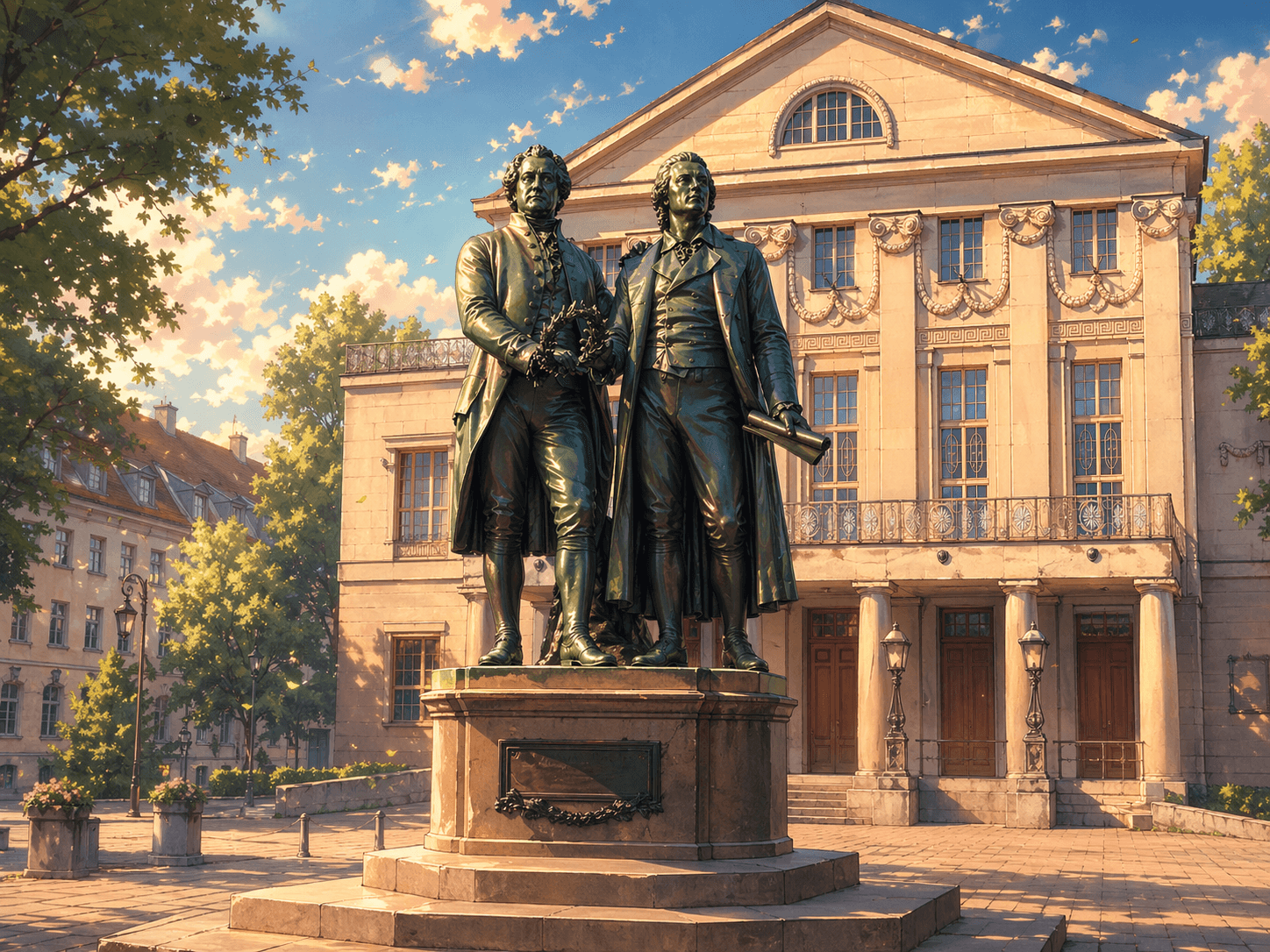
In addition to infrastructure, Weimar is also setting accents in cultural and climate-relevant projects. The Weimar lettering at the Theaterplatz is an example of this. Initially discussed as a fixed lettering, it was decided in the meeting to examine a mobile version. This is more advantageous in terms of monument preservation and allows for flexible use – for example for events or photo tours. The decision-making process is carried out in cooperation with the Bauhaus University, which further underlines the cultural character of Weimar.
Even at the bicycle station at the Löwenbrunnen, a climate-friendly approach is evident. The station is part of a grant application and is intended to improve infrastructure for cycling – another step within the local climate protection strategy.
Conclusion: Weimar as a model city for sustainable urban planning
The decisions from February 2026 show how Weimar is building for the future. Whether in the areas of mobility, infrastructure or climate protection – the city is relying on sustainable solutions that work not only today, but also tomorrow. With a clear focus on accessibility, climate friendliness and cultural identity, Weimar presents itself as a model for a modern, livable city.
NeoSearch analyses public council documents, committee minutes and municipal announcements. Source references appear automatically once verified meeting data is available.
What does this mean for businesses?
Schools, daycare centres and public buildings create early planning and construction opportunities. Following council agendas surfaces tenders for refurbishment, new builds and fit-out months before the official award — from shell construction to specialist planning to furnishing.
Track similar decisions in your region
Set up monitoring for education & public facilities in Thüringen — prefilled from this article.
Set up monitoring →More signals from Weimar
Culture and Community in Weimar: April 2026 in the Spotlight
April 2026 in Weimar was marked by crucial steps in the city's cultural development. From the Weimar Onion Market to the commemoration of Margarethe Geibel, cultural values, preservation, and remembrance were at the heart of the Cultural Committee's discussions.
Read more → Weimar in Transition: Economic Development and Structural Development in April 2026
In April 2026, Weimar is focusing on innovation, cooperation, and structural adaptation in its economic development – with a focus on tourism, commerce, and urban marketing.
Read more → Weimar in April 2026: Culture, Economy, and Youth in Focus
In April 2026, Weimar focused on decisions in the areas of economy, culture, and youth support. The city created momentum in tourism, approved important cultural projects, and strengthened youth policy. Here is the monthly review.
Read more →