Mobility in Lübeck: Stations, Cycling, and the Fehmarnbelt in January 2026
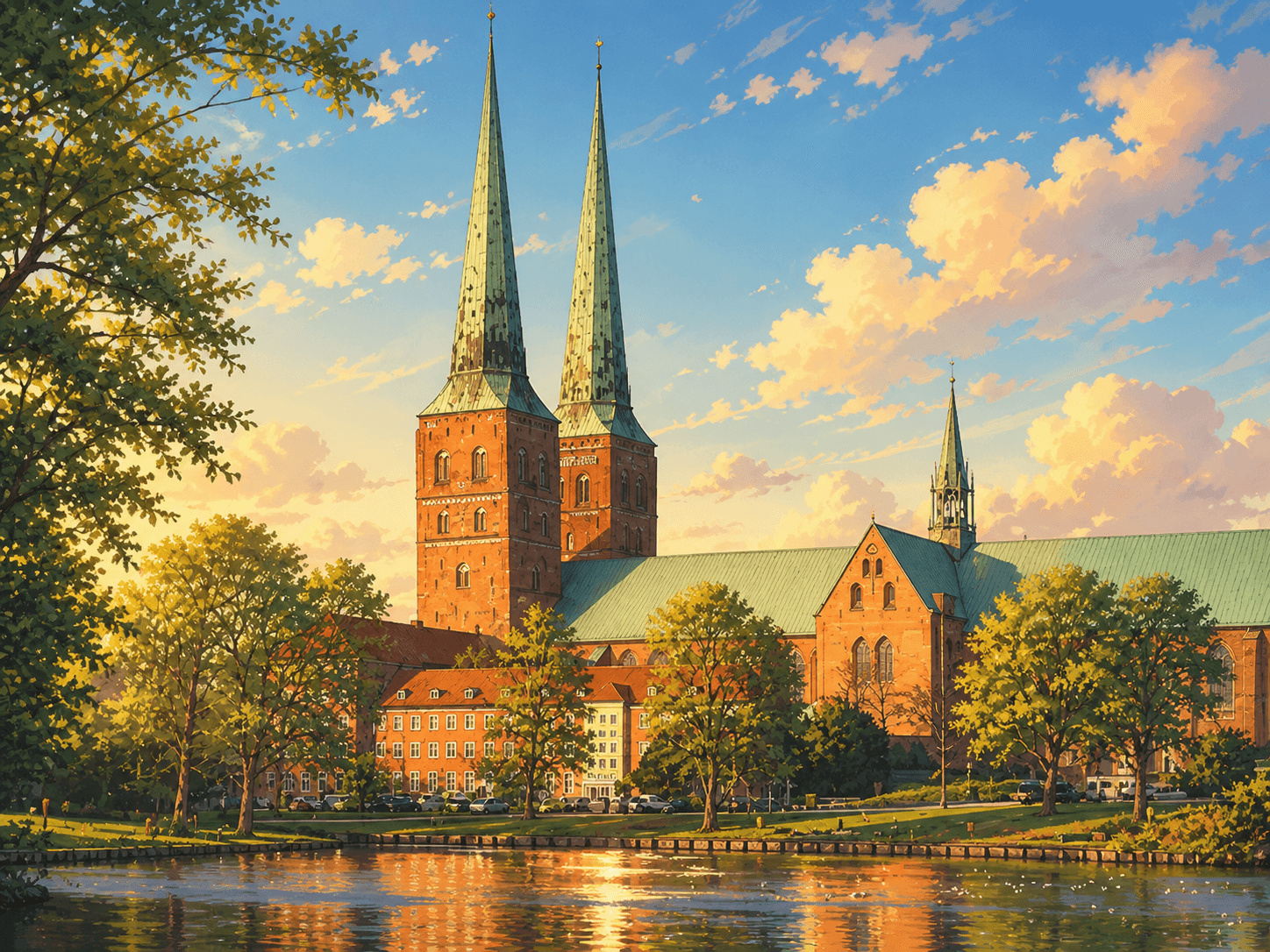
In the first week of January 2026, the city of Lübeck engaged intensively with the future of its mobility structure. From the renovation of train stations to the expansion of cycling infrastructure and port development, as well as the Fehmarnbelt crossing – the topics reflect the priorities and challenges of urban transport policy.
Train Stations in Crisis: Between Touristic Significance and Structural Decay
Lübeck’s train stations – especially the Lübeck Hauptbahnhof (main station) and the Strandbahnhof in Travemünde – are at the center of current discussions. Both buildings show urgent structural deficiencies. The Strandbahnhof, which is under heritage protection, already shows clear signs of decay, making urgent renovation measures necessary. In addition, the entrance areas of both stations are problematic from both a tourist and functional standpoint.
At the Lübeck Hauptbahnhof, the pigeon problem and the lack of cleanliness are being closely monitored. At the same time, plans for a bike parking facility with rental bikes are being developed to facilitate tourists’ transition to climate-friendly mobility. In the future, signage will be bilingual (German/English) to serve the international target group.
Public Transport and Local Traffic: Climate-Friendly Mobility as a Central Goal
The development of an urban public transport concept for the old town and Travemünde is a central project for January. The city is actively promoting the Germany School Ticket and plans to improve accessibility through the Regio S-Bahn. At the same time, within the Tourist Development Concept 2030 (TEK 2030), efforts are being made to encourage climate-friendly travel by public transport.
Collaboration with partners such as Deutsche Bahn and NAH.SH is crucial in this context. Regional local transport plans are being updated to meet the needs of both residents and visitors. The focus is now more than ever on integration, punctuality, and comfort.
Cycling: Expansion and Safety as Priorities
Cycling is a key topic in Lübeck. In January 2026, construction of the Radschnellweg Ratzeburger Allee (cycle expressway) was launched, and the Moislinger Allee and Mengstraße are also part of the planning process. The development of a comprehensive cycling concept and the implementation of the Bike-Friendly Lübeck project are central milestones.
The Stadtradeln campaign is being used more intensively to raise awareness about cycling. At the same time, taxi subsidies and street design in Kücknitz are in focus to make cycling safer and more attractive.
Port Development and Fehmarnbelt: The Future of Connectivity
Port development and the Fehmarnbelt crossing (FFBQ) form the long-term perspective of Lübeck’s transport policy. The Port Development Plan (HEP) is currently in a dialogue and implementation process. Central to this are the port locations and tourist uses, such as the Ostseestation Travemünde.
The Fehmarnbelt crossing is a European project that strengthens Lübeck’s future as a transportation hub. Lübeck is actively involved in the online participation process and is assessing potential industrial areas such as the Semiramis II project. The connection to the island of Fehmarn will be not only touristically, but also economically significant.
Outlook: Mobility as a Central Transformation Process
Transport policy in Lübeck is increasingly becoming a transformation process – moving away from emission-intensive means of transport toward sustainable solutions. The topics of train stations, public transport, cycling, and port development are not isolated, but interconnected. Lübeck is focusing on integrated mobility, which combines tourist appeal, climate-friendly transport routes, and social inclusion.
In 2026, not only is construction taking place, but also reflection: What is necessary to keep Lübeck as a vibrant, livable city with modern infrastructure? The January events show: The city is on the right track – but the challenges remain.
NeoSearch analyses public council documents, committee minutes and municipal announcements. Source references appear automatically once verified meeting data is available.
What does this mean for businesses?
Municipal heat planning, photovoltaics and climate measures create early project indicators. Following council decisions surfaces sites and tenders before they are publicly advertised.
Track similar decisions in your region
Set up monitoring for environment & climate in Schleswig-Holstein — prefilled from this article.
Set up monitoring →More signals from Luebeck
Economic Boost for Lübeck: Belt Crossing, Energy Cooperation, and Land Policy in April 2026
In April 2026, Lübeck set economic impulses: The Fixed Fehmarn Belt Crossing was discussed as a central growth engine, energy cooperation with Denmark was deepened, and a centrally located plot of land was secured for the future.
Read more → Culture and Community in Lübeck: Outlook for April 2026
In April 2026, Lübeck will be focusing on its cultural outlook. Numerous museums and cultural projects shape the cityscape, while decisions on heritage protection, funding, and educational programs are being made. An overview of the most important developments.
Read more → Lübeck's Urban Development 2026: Where Urban Planning, Climate and Mobility Converge
In April 2026, important decisions on urban development were at the center of attention in Lübeck. From the redesign of Mühlentorplatz through the zoning plan for Moisling to the preservation of green spaces and the future of the Lümo night-time transport: The city's planning shows how closely traffic, infrastructure, climate protection and financial feasibility are interwoven.
Read more →