Youth Policy in Kiel: Participation, Education, and Safety in Focus
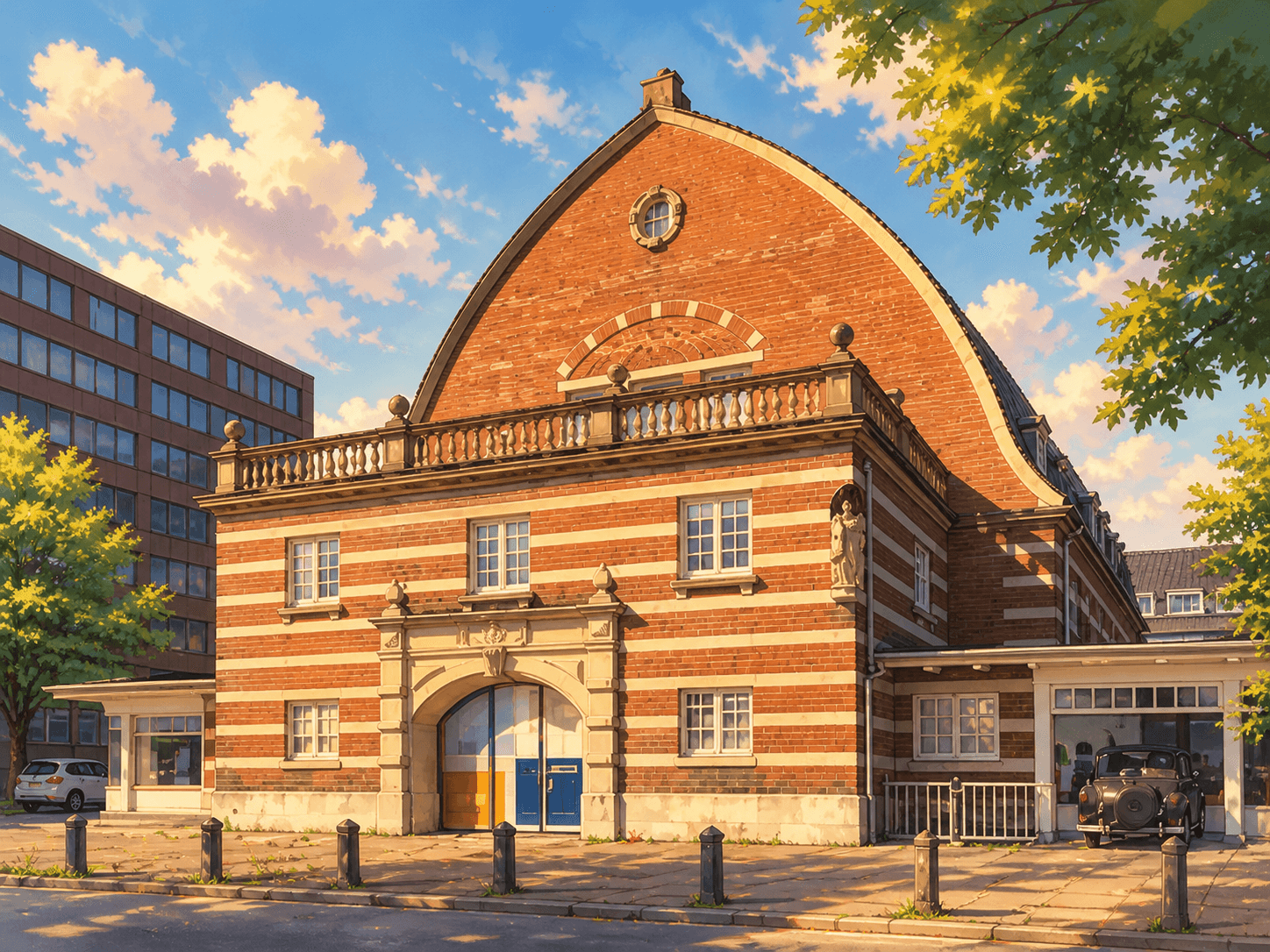
In February 2026, youth participation, full-day schools, and safety at schools were key topics in Kiel. The Youth Council, Inclusion Support, and the cooperation between schools and after-school programs (OGS) illustrate the diversity of youth policy in the state capital.
Youth Participation and Political Involvement
In Kiel, youth participation is a firmly established element of local political structures. The Youth Council, an advisory body for children's and youth facilities, serves as a central forum where young people aged 12 to 19 actively engage in political topics. In February 2026, the committee convened for the 6th Youth Council Election, with 16 members elected for a two-year term. Voter turnout reached 13.78%, a slight increase compared to previous elections.
Candidates presented themselves via social media and posters, and the election was marketed as "Wahlsinn" (Election Madness) to motivate young voters. A total of 16 members were elected from the districts of North, South, Central, and East. This year, the Youth Council has, among other things, advocated for improved security at the Elmschenhagen School Center, where repeated break-ins have occurred. Additionally, the Youth Council has promoted the paving of a path between the youth center and the bus stop to enhance traffic safety.
Full-Day Schools: Challenges and Perspectives
Another central topic was the full-day school. In Kiel, 87% of children already use the full-day school offer, and it is planned to introduce a legal entitlement to full-day schools in the 2026/27 school year in Schleswig-Holstein. The city organized an Education Conference with the motto "Responsibly and jointly shaping full-day education for elementary school students," with over 80 participants.
The conference emphasized the importance of binding cooperation between schools and after-school programs (OGS). Practical examples, such as the Gerhart-Hauptmann School, where 230 children participate in the OGS, show that structured collaboration is possible. Nonetheless, challenges remain: shortage of qualified staff, lack of resources, and inadequate communication channels between schools, OGS, and parents.
In addition, the conference highlighted the psychosocial development of children. Prof. Dr. Fabian Lamp emphasized in his keynote speech that self-worth, self-efficacy, and social recognition are central factors for children's mental well-being. The role of multiprofessional teams in full-day schools is considered crucial for the quality of full-day education.
Inclusion Support: Support for Children with Special Needs
Another important topic was inclusion support in day-care centers and elementary schools. Children with special needs can be supported by therapeutic specialists, with parents having the right to express preferences when selecting these professionals. The application for support is processed through the youth welfare office, and there are clear procedures: Parents receive application documents by mail, and goal agreements are made with the school, inclusion support, and specialists.
Support can, for example, take the form of autism counseling or participation assistance during leisure time. Additionally, there is the option for children to be supported in special education centers if the support in regular schools is insufficient. Close cooperation with parents is particularly important, as barriers in parent engagement often exist.
Outlook: Youth Policy as a Future-Oriented Project
Youth policy in Kiel reveals its diversity and depth. From political participation through educational policy to social support – the city is relying on a broad range of measures to strengthen the living conditions of children and young people. The challenges are significant: staff shortages, lack of resources, and the need for stronger structural networking.
Nevertheless, there are positive developments: Youth Council voter turnout is increasing, the full-day school is being further developed, and inclusion support is becoming more transparent and accessible. In the coming months, it will be important to stabilize and further develop these processes.
The youth in Kiel are not only participants but also creative forces – and this should be acknowledged more strongly in politics.
NeoSearch analyses public council documents, committee minutes and municipal announcements. Source references appear automatically once verified meeting data is available.
What does this mean for businesses?
Schools, daycare centres and public buildings create early planning and construction opportunities. Following council agendas surfaces tenders for refurbishment, new builds and fit-out months before the official award — from shell construction to specialist planning to furnishing.
Track similar decisions in your region
Set up monitoring for education & public facilities in Schleswig-Holstein — prefilled from this article.
Set up monitoring →More signals from Kiel
Budget Decisions in Kiel: Default Guarantees, Property Acquisition, and Security Concepts
In April 2026, the city of Kiel made a wide range of decisions in the financial and budgetary sector that will have far-reaching implications for urban development and financial stability. From default guarantees for municipal companies to the acquisition of a property for a Marine Visualization Center – the focus was on long-term planning and ensuring financial flexibility.
Read more → Governance in Kiel: Structural Changes and Challenges in April 2026
In April 2026, significant governance decisions took center stage in Kiel—from the inauguration of the new Mayor to the restructuring of committees and key topics such as digitalization and financial policy. An overview.
Read more → Youth Participation in Kiel: How Young Voices Gain Influence
In April 2026, Kiel focused on numerous topics concerning youth participation – from leisure activities to safety in city districts. An overview of the most important decisions and debates.
Read more →