Kiel is investing in inter-municipal economic development – impulses for the location 2026
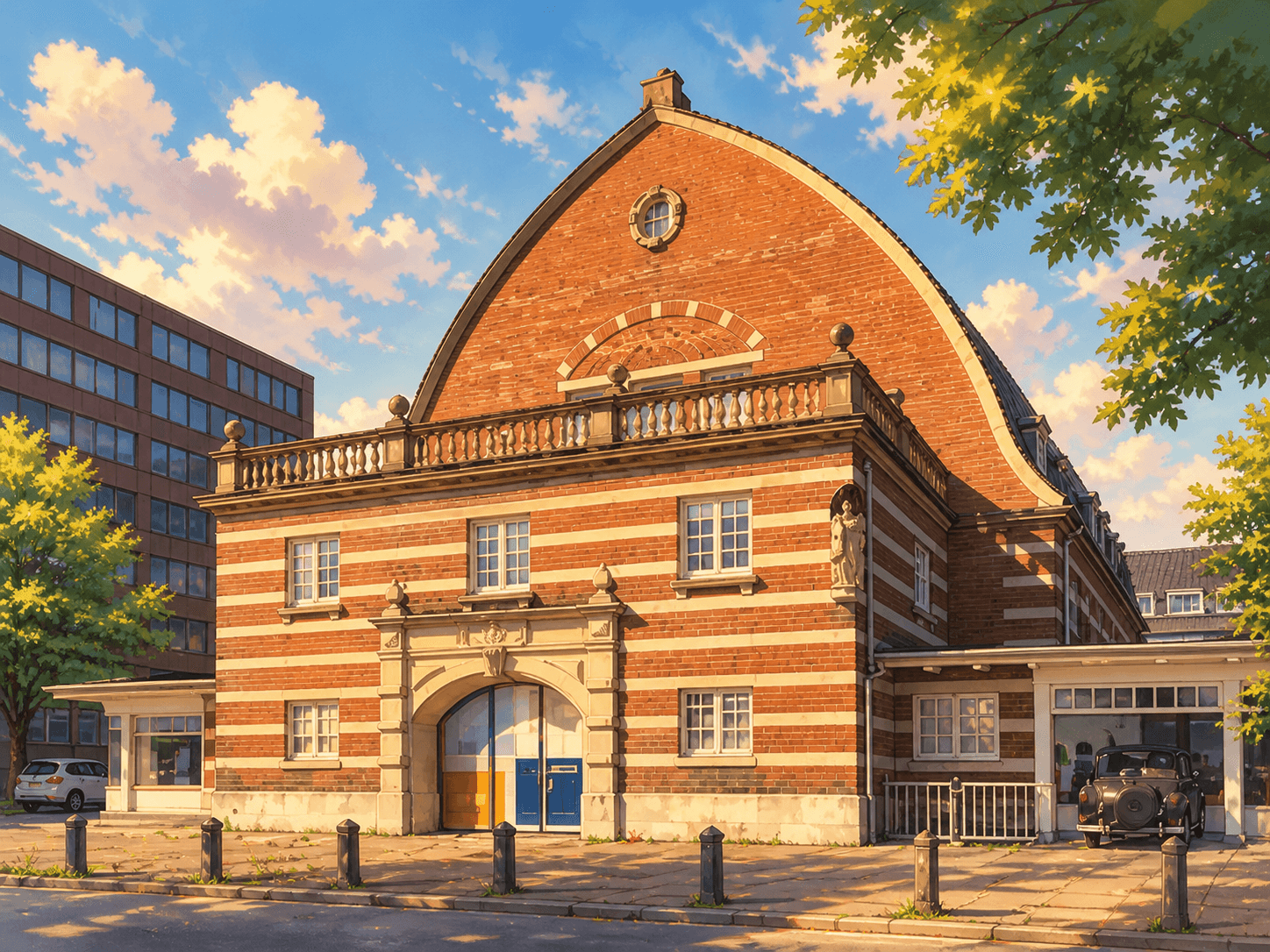
In February 2026, Kiel took decisive steps toward a future-oriented economic development. With new industrial areas, inter-municipal cooperation and strong partners, the city is actively contributing to the strengthening of its economic location.
Kiel as an economic engine: Inter-municipal cooperation and investments in focus
In February 2026, Kiel positioned itself as an active shaper of its economic future. By developing new industrial areas, engaging in inter-municipal cooperation, and setting a clear course toward sustainable infrastructure, the city has provided a clear impulse for the region. These measures not only demonstrate growth ambitions but also reflect strategic planning aligned with ecological and financial principles.
New industrial areas: Inter-municipal cooperation as a key
The development of inter-municipal industrial areas is a central component of Kiel’s economic strategy. In “Barkauer Land,” an 80-hectare industrial and commercial area is being planned jointly by the municipalities of Großbarkau, Honigsee, and Klein Barkau. The feasibility study, which began in 2026, is being supported by Kiel with 45,000 EUR.
Another key focus is the expansion of the IKG Lehmkaten. With 13.36 hectares of net construction land, marketing is planned to be completed by 2026. Development will take place between 2026 and 2028, primarily financed by low-interest loans from the state of Schleswig-Holstein (16.8 million EUR) and up to 3.8 million EUR in subsidies. Particularly noteworthy is the decision to forgo a central heating system based on fossil fuels in favor of heat pumps – a clear signal for climate-friendly infrastructure for business.
Financing and sustainability – how is it paid for?
The financing of industrial area development in Kiel is transparent and sustainably planned. For the Barkauer Land project, Kiel covers the costs of the feasibility study, while partner municipalities contribute additional funds. The natural capital accounting is fully financed by KielRegion, underscoring the regional cooperation.
In the Lehmkaten project, a loan amounting to 16.8 million EUR is involved, with expected marketing revenues of 12.865 million EUR. In the long term, costs are to be covered by compensatory business tax revenues. This financing strategy demonstrates how Kiel maintains the balance between investment and return.
Infrastructure and mobility: The prerequisites for economic growth
The planned industrial areas benefit from existing infrastructure. All projects are located near motorways (A 21) and regional roads (B 503), ensuring good transport connectivity. Additionally, a truck charging park is being discussed, which could improve logistics for the economic region.
The estimated development costs for Lehmkaten are approximately 6 million EUR. Detailed costs for internal and external infrastructure have already been outlined, providing planning security for investors.
Labor market and economic structure: Kiel as a naval base
Kiel strongly benefits from its role as a naval base and has, in recent years, also established itself as an attractive location for defense technology companies such as Rohde & Schwarz. These companies plan to create hundreds of new jobs in Kiel.
In Altenholz and Dänischenhagen, the service sector dominates with 77%, with the IT industry (e.g., Dataport) being strongly represented. Although the manufacturing sector is underrepresented, crafts and light industry are growing. In addition, the Kiel Job Center has recorded a significant reduction in the number of people in need of assistance since 2005, with nearly 74,000 consultations and 3,800 new applications recorded in 2025.
Partnerships strengthen economic development
Kiel emphasizes the importance of inter-municipal cooperation in its economic policy. The KiWi GmbH is responsible for project management in Barkauer Land and Lehmkaten. In addition, Kiel cooperates closely with economic development agencies in the district of Plön and the Amt Preetz-Land.
Regional coordination is provided by the KielRegion GmbH, which promotes strategic developments. The Development Partnership Altenholz-Dänischenhagen-Kiel, which has existed since 1997, is another example of long-term partnerships. The planning procedures are carried out via the IPP and include feasibility studies and urban development planning.
Outlook: Kiel as a forward-looking economic location
The decisions and projects from February 2026 show that Kiel is actively working on the future of its economic location. With inter-municipal cooperation, sustainable infrastructure and clear financial conditions, the city has set a clear course. The coming years will show how these measures will influence the labor market, the economic structure and regional development – and whether Kiel can strengthen its title as a "naval base" economically.
NeoSearch analyses public council documents, committee minutes and municipal announcements. Source references appear automatically once verified meeting data is available.
What does this mean for businesses?
Urban development, zoning plans and commercial settlements create early construction and supply opportunities. Following council decisions reveals projects before they go to tender.
Track similar decisions in your region
Set up monitoring for economic development in Schleswig-Holstein — prefilled from this article.
Set up monitoring →More signals from Kiel
Budget Decisions in Kiel: Default Guarantees, Property Acquisition, and Security Concepts
In April 2026, the city of Kiel made a wide range of decisions in the financial and budgetary sector that will have far-reaching implications for urban development and financial stability. From default guarantees for municipal companies to the acquisition of a property for a Marine Visualization Center – the focus was on long-term planning and ensuring financial flexibility.
Read more → Governance in Kiel: Structural Changes and Challenges in April 2026
In April 2026, significant governance decisions took center stage in Kiel—from the inauguration of the new Mayor to the restructuring of committees and key topics such as digitalization and financial policy. An overview.
Read more → Youth Participation in Kiel: How Young Voices Gain Influence
In April 2026, Kiel focused on numerous topics concerning youth participation – from leisure activities to safety in city districts. An overview of the most important decisions and debates.
Read more →