Climate Protection in Freiberg: Focus on Infrastructure, Energy, and Mobility in March 2026
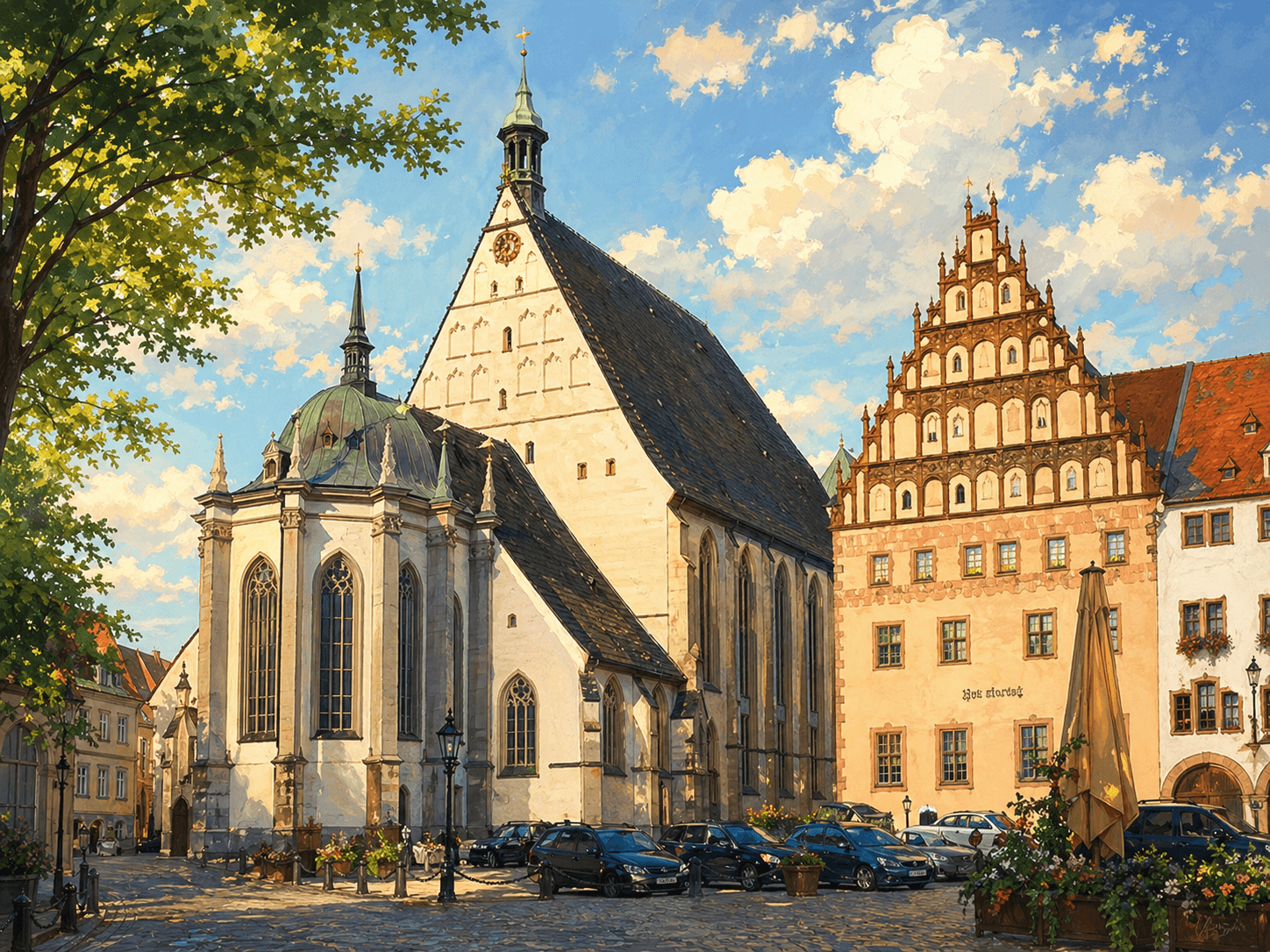
In March 2026, the city of Freiberg set new benchmarks in climate protection across several areas. From modern sewer construction to the renovation of the central wastewater treatment plant and the transition to LED lighting—the agenda demonstrates how comprehensive and strategic Freiberg is working toward a sustainable future.
Climate Protection in Freiberg: What Happened in March 2026
The city of Freiberg has established itself in recent years as a pioneer in climate protection. In March 2026, it set new priorities along the themes of infrastructure, energy efficiency, and sustainable mobility with a wide range of measures. The Citizens' Assembly of the 7th Mayor's Sustainability Report (ni_2026-EWV-7) provided a comprehensive overview of the key decisions and projects to be implemented in the coming months.
Sewer Construction and Rainwater Retention: Investment in the Future
A central focus was on the renovation and renewal of the sewer infrastructure. In the area around the Davidschacht and the former porcelain factory, measures are being carried out to separate sewage and rainwater. These investments are part of a larger plan to reduce water pollution and stabilize the sewage network.
Another project is the construction of rainwater retention basins. An example is the basin in Hammerberg with a volume of approximately 4,200 m³. The construction costs for such measures range between 275,000 and 820,000 euros, with subsidies from the Free State of Saxony (approximately 200,000 euros) providing financial relief. Construction work is scheduled to take place between April and November 2026, with open construction methods being used in several projects. In addition to sewer measures, new road construction, sidewalks, and lighting are also planned—clear evidence that Freiberg designs infrastructure projects as holistic developments.
Renovation of the Central Wastewater Treatment Plant: Energy Efficiency and CO₂ Reduction
The Freiberg central wastewater treatment plant is another focal point of the climate protection program. Here, renovation work on sludge storage tanks and aeration basins is a priority. Particularly notable is the renewal of the CHP (combined heat and power) units, which will generate 81% of the required electricity and 90% of the process heat in the future. Another project is the use of co-substrate from the Freiberg-Hainichen dairy for biogas production—an example of circular economy in the municipal sector.
The renovation of the aeration basins is carried out using a mineral-based renovation system, ensuring the long-term durability and environmental compatibility of the facility. The total costs for the renovation measures at the central wastewater treatment plant amount to approximately 4.568 million euros, underscoring the high investment effort and the strategic importance of the facility.
LED Lighting in Kindergartens and Schools: Climate Protection in Everyday Life
Another milestone is the switch to LED lighting in several municipal facilities. The kindergarten "Kinderinsel including Pestalozzi sports hall" and the kindergarten "Brummkreisel" have already started the renovation. Partial renovations are also underway at the "FÖZ Käthe Kollwitz" school. The measures are carried out in accordance with the EU Ecodesign Regulation 2019/2020 and contribute to reducing energy consumption and CO₂ emissions. This demonstrates how climate protection is also implemented in smaller measures and in the daily lives of citizens.
Traffic Development Plan 2030: Sustainability in Road Traffic
The city of Freiberg has begun updating the Traffic Development Plan 2030. The goal is to meet mobility needs more safely, efficiently, and environmentally friendly. The plan integrates the cycle path concept and takes into account new mobility forms such as e-mobility, sharing offers, and multimodal mobility. At the same time, all modes of transport—motorized individual transport, public transport, cycling, and pedestrian traffic—are treated equally. The evaluation of existing assumptions and measures is part of a process that positions Freiberg as a livable and climate-friendly city.
Barrier-Free and Green City: More Than Just a Promise
In addition to technical and infrastructural measures, Freiberg is also focusing on green and barrier-free urban design. In several areas, greening measures, traffic-calmed zones, and barrier-free upgrades of stops have been planned. An example is the construction of a temporary bridge with increased flow capacity, which provides relief during heavy rain events.
In addition, the replacement of concrete paving with asphalt is being discussed to make the traffic space more livable and sustainable. The renovation of the sidewalk ring in the 6th BA is particularly complex as it is under heritage protection. Nevertheless, it is possible to combine barrier-free solutions with historical design elements—an exemplary case of compromise solutions in climate protection.
Outlook: Freiberg as a Model City for Climate Protection
The measures of March 2026 show that Freiberg is not only a pioneer in climate protection on paper, but also remains active in implementation. With investments in modern infrastructure, energy efficiency, and sustainable mobility, the city is setting clear priorities. The inclusion of citizens in the planning process and transparency in implementation are central success factors.
In the next step, it will be important to implement the projects on time and effectively. In addition, the integration of new technologies and the continuous evaluation of measures are decisive to maintain Freiberg as a pioneer in the coming years.
NeoSearch analyses public council documents, committee minutes and municipal announcements. Source references appear automatically once verified meeting data is available.
What does this mean for businesses?
Municipal heat planning, photovoltaics and climate measures create early project indicators. Following council decisions surfaces sites and tenders before they are publicly advertised.
Track similar decisions in your region
Set up monitoring for environment & climate in Sachsen — prefilled from this article.
Set up monitoring →More signals from Freiberg
Freiberg invests in mobility: The purchase of a mobile Pumptrack
In April 2026, Freiberg decided to acquire a mobile Pumptrack for 70,000 EUR. This investment not only reflects a response to the growing demand for sports-related leisure activities, but also careful financial planning. This blog post examines the background, funding, and long-term effects of this decision.
Read more → Freiberg's Urban Development 2026: Construction Projects, Planning and Climate-Friendly Measures in Focus
In April 2026, Freiberg focused on key measures in urban development and construction. From the creation of a municipal heat plan to the reorganization of the industrial area "Schwarze Kiefern" – the city is focusing on sustainable structures and responsible financial planning.
Read more → Freiberg's Administrative Processes: Transparency, Citizen Participation, and Digital Innovations in April 2026
In April 2026, the city of Freiberg set benchmarks in governance and administration. With test sessions for online voting, open meetings, and a clear transparency policy, the municipality demonstrated how modern administration works. An overview.
Read more →