Climate Adaptation in the Koblenz City Forest: Innovations and Challenges in April 2026
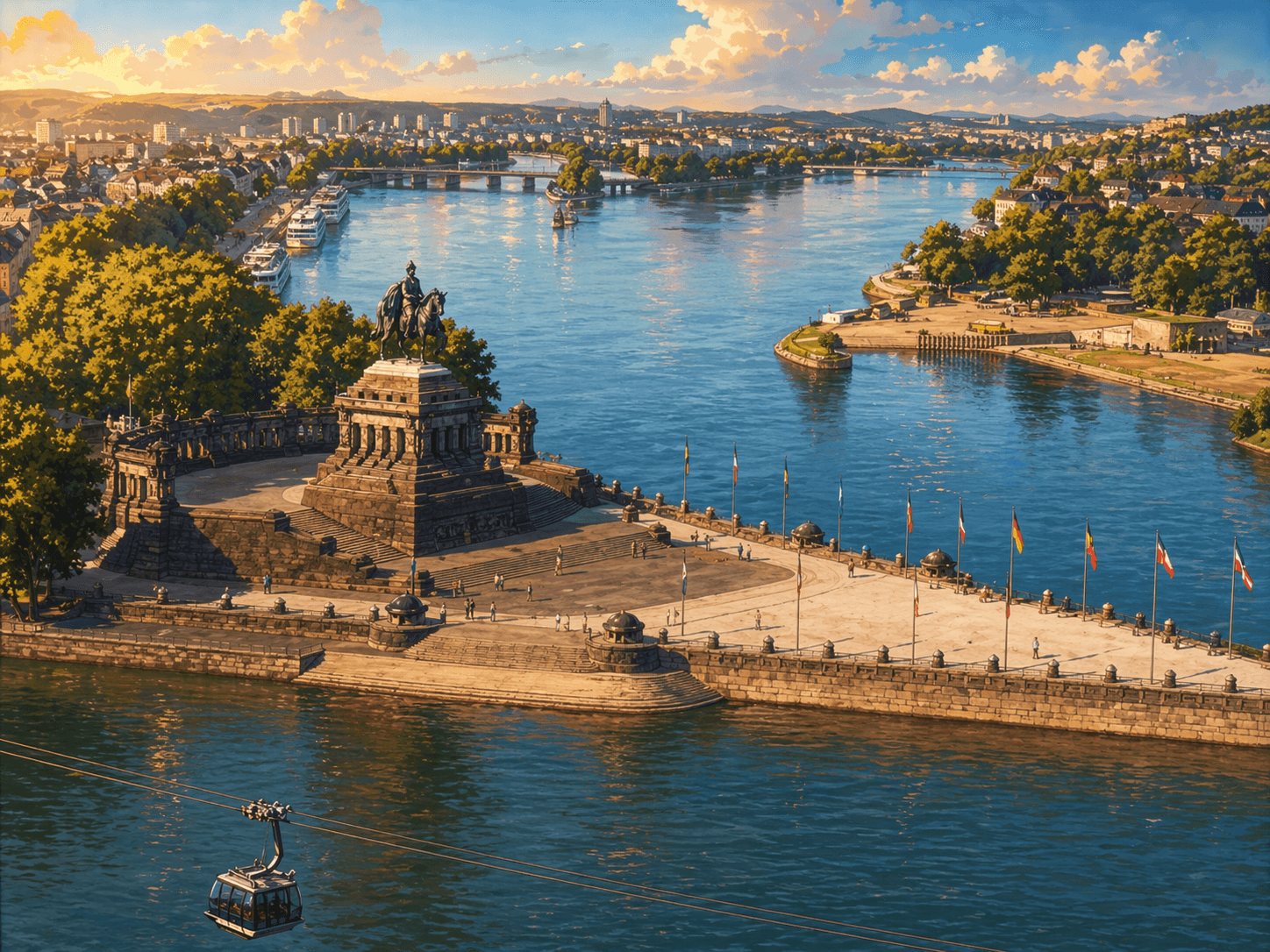
The Koblenz City Forest is at the center of an intensive climate change adaptation process. In April 2026, key measures were implemented in the areas of forestry, biodiversity protection, and public outreach. An overview of the political, ecological, and financial background.
Climate Adaptation in the Koblenz City Forest: Innovations and Challenges in April 2026
The Koblenz City Forest is not only a green lung for the region but also a key player in local climate protection. In April 2026, several measures were taken to adapt to climate change. In addition to forestry strategies and the revitalization of biotopes, there were also focal points in the areas of education and public communication. These measures reflect the multifaceted nature of the climate change action field.
Climate Forest Strategies and Forestry
The Koblenz City Forest covers approximately 2,450 hectares and has an average timber stock of 209 m³/ha. Compared to the national and state averages, the city forest is below average, mainly due to the young forest stand. In forest management, therefore, particular emphasis is placed on increasing tree species diversity and creating a variety of age classes.
In April 2026, Douglas fir stands were replanted with shade-tolerant tree species such as white fir, yew, and hop hornbeam through pre-thinning. These measures aim at a stable forest succession. In addition, biodegradable protective materials were used to protect young plants from wild animal browsing.
Another focus was the shading mapping to identify archaeological remains, particularly in areas with Celtic ring walls. This brings cultural and nature conservation into harmony.
Revitalization of Biotopes: Ponds and Amphibians
In April 2026, revitalization work on three ponds (Remstecker Teich, Faulsutterborn, and the pond at the Kühborn source) was continued. These measures are part of a comprehensive project planned until 2028. The goal is to strengthen ecological diversity and the connectivity of biotopes.
The work is closely aligned with nature conservation requirements. For example, the dredging of Faulsutterborn is carried out only during the winter months, and tree removals are limited to the period from October to February. This temporal orientation is necessary to avoid disturbing wildlife and breeding birds.
The revitalization also has implications for climate protection, as it promotes carbon storage in wet biotopes and increases the resilience of flora and fauna.
Nature Trails and Climate Protection Education
Another milestone in April 2026 was the creation of a nature trail on the right bank of the Rhine. In cooperation with pronatur GmbH, an interactive experience path was created that conveys the topics of climate protection, biodiversity, and forest functions to families, school groups, and nature lovers.
One station deals with invasive species, while another focuses on the multifunctional forest. A mascot, Pip the Bat, accompanies children along the trail and imparts knowledge about bats, dead wood, and forest development in a playful way. The trail is barrier-free and is intended to be accessible to people with disabilities as well.
This educational initiative is a central component of the city's climate protection strategy. It raises public awareness of the importance of the city forest and promotes a sustainable understanding of nature and the environment.
Future Perspectives and Challenges
Koblenz's forestry policy is walking a sensitive line between ecological protection, economic use, and public attention. Adapting to climate change requires not only technical expertise but also financial resources—such as for annual operational inventories or the construction of nature trails.
A central recommendation from the Climate Alliance Koblenz's advisory report is the introduction of protected and recreational areas that promote the natural functioning of the forest. In addition, an FSC or FSC/Naturland certification is recommended to make sustainable forestry more transparent and verifiable.
In April 2026, these topics were discussed in the public and taken up in politics. The future of the Koblenz City Forest will depend on how well these measures are integrated into long-term planning—and how actively the population is involved in their implementation.
Conclusion: A Green Role Model for the Region
The Koblenz City Forest is a living example of how cities can use their natural resources in a climate-conscious and sustainable way. The measures taken in April 2026 show that climate adaptation is not only a technical challenge but also a social process. The future of the city forest depends on how well the various stakeholders—politics, science, and citizens—collaborate and how sustainably decisions are implemented.
NeoSearch analyses public council documents, committee minutes and municipal announcements. Source references appear automatically once verified meeting data is available.
What does this mean for businesses?
Municipal heat planning, photovoltaics and climate measures create early project indicators. Following council decisions surfaces sites and tenders before they are publicly advertised.
Track similar decisions in your region
Set up monitoring for environment & climate in Rheinland-Pfalz — prefilled from this article.
Set up monitoring →More signals from Koblenz
Koblenz: Urban Development in Focus – Fortress City Concept and Housing Supply 2026
In Koblenz, key processes in urban development and construction planning are set to take place in 2026. With the Fortress City Concept and the update of the Housing Supply Concept, the city is pursuing forward-looking solutions for culture, housing, and mobility.
Read more → Sports Development in Koblenz: Expansion of Sportpark Oberwerth and Learning Exchange with Wattenscheid
In Koblenz, the expansion of Sportpark Oberwerth is a key focus. In April 2026, the Sports and Baths Committee decided to actively seek inspiration for the development of sports facilities, including a visit to the Lohrheide Stadium in Wattenscheid. The planned investment for the first construction phase is around 48 million euros.
Read more → Inauguration and Governance in Koblenz – A Month in Focus
In April 2026, central governance topics were at the forefront in Koblenz: the inauguration of Mayor David Langner for his second term and the work of local bodies such as district advisory committees and the Inclusion Advisory Council. An overview of political processes, decisions, and structures.
Read more →