Urban Development in Andernach – March 2026 in Focus
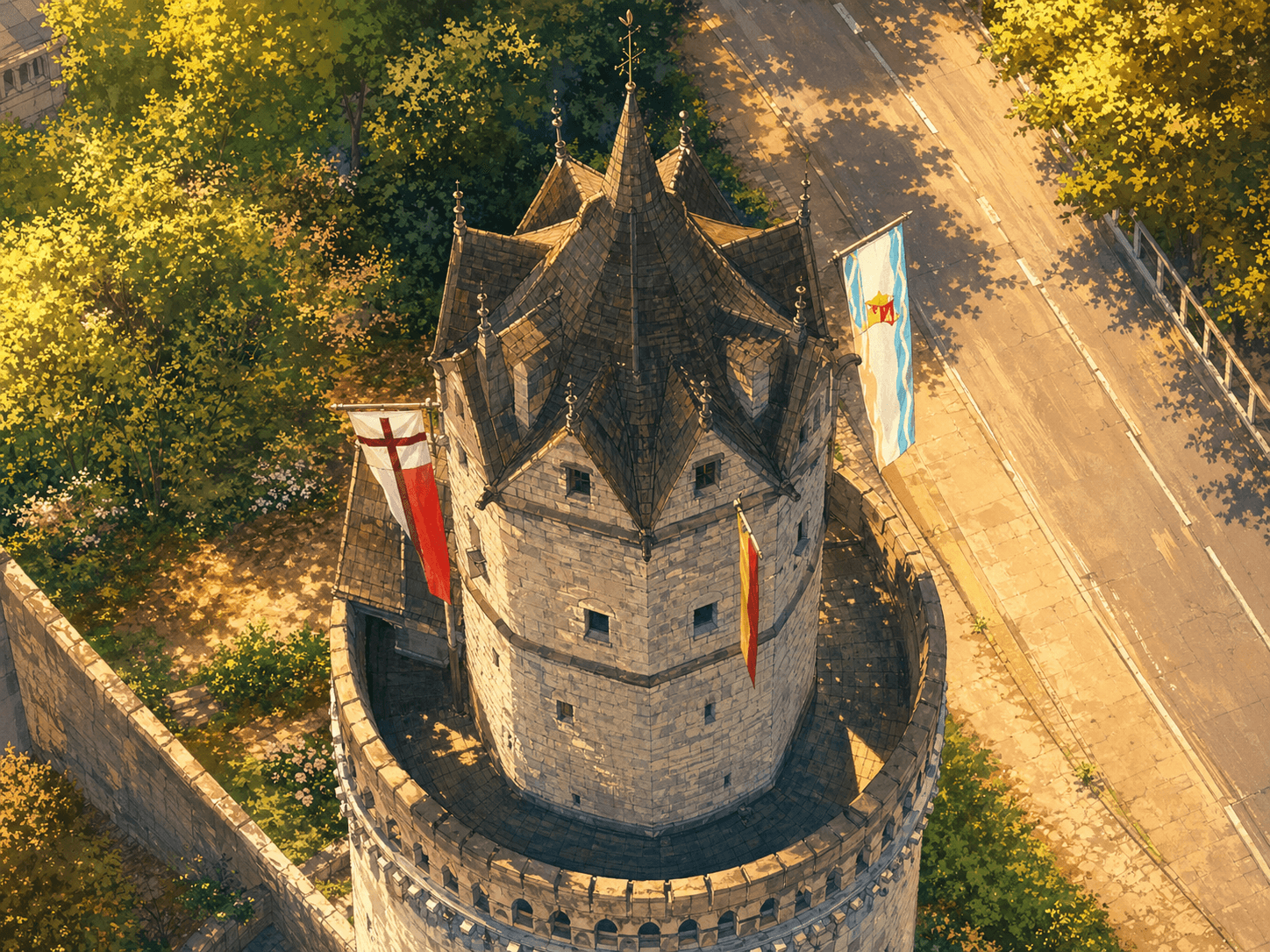
In March 2026, the town of Andernach made a number of decisions in the areas of urban development and construction. From changes to zoning plans and demolition measures to innovative museum projects – the analysis highlights the priorities set and the challenges the municipality faces.
Urban Development in Andernach: Impulses for Economy, Culture, and Infrastructure
The town of Andernach has taken decisive steps in urban development and construction planning in March 2026. By amending zoning plans, approving preliminary construction applications, and planning cultural projects such as the new city museum, the municipality demonstrates how it is preparing for future challenges. The following focuses on the most important decisions and developments to analyze their impact on economy, culture, and quality of life.
1. Zoning Plan Amendments: Industrial Development and Infill Development
Industrial Area on B 256 – 5th Amendment
The 5th amendment to the zoning plan for the industrial area on B 256 is a central element of the city's planning. The goal is to allocate a public access road of approximately 0.83 hectares, which will in the future enable access for industrial businesses. The area will be divided into 3 hectares, with 80% sealed and 20% green. The road will initially be realized as a private access route and later handed over to the city.
The planning also takes into account environmentally relevant aspects, such as the greening of stormwater channels and protective measures for potentially affected species such as the common lizard. The costs for planning and implementation are borne by the applicant, thereby reducing the financial burden on the city.
New Zoning Plan "Steinweg / Balduinstraße"
Another focal point was the new zoning plan for the area Steinweg/Balduinstraße. The aim is to build a hotel complex with wellness and conference facilities. The area is located in the historic old town and, through the new zoning plan, is brought into the focus of tourism and urban development.
The planning is carried out under the accelerated procedure of § 13a of the German Building Code (BauGB), showing that Andernach is emphasizing the concept of infill development more than ever. The specifications for architectural design—such as limiting to a maximum of three full floors and adhering to the old town regulations—show the attempt to combine modern needs with a historic urban image.
2. Preliminary Construction Applications: Residential Construction and Infrastructure
Residential Construction in the Peripheral Area
In the peripheral area, a preliminary construction application for a residential building was approved. The approval was granted under the Bauturbo Act (§ 246 e BauGB), which has been in force since October 2025 and aims to accelerate construction processes. This step indicates that Andernach is also creating housing in rural areas to ensure the quality of its residential environment.
Substation for Photovoltaic Systems
In addition, the construction of a substation that will supply photovoltaic systems in the region in the future was approved. The location of the project in the peripheral area and within the water protection zone III shows that Andernach is also responding sensitively to environmental and protection regulations in energy projects. The Planning Committee will discuss the measure on March 10, 2026.
3. Culture and Museum: The Museum of the Future
Another highlight was the feasibility study for the new Andernach City Museum. The concept "Edible History" combines urban and food history and uses modern technologies such as virtual reality, holograms, and interactive tasting stations. The goal is to make the museum an interactive, rotating exhibition space that will highlight a different historical era each year.
The planned locations—House von der Leyen, Bagatelle, Schlossgarten, and Stadtgraben—show that the museum will not be based in a single location, but will instead act as a "Museum of Urban Diversity." The total costs of around 6.1 million euros (excluding subsidies) show that the project scope is ambitious.
The forecast of 20,000 to 25,000 visitors per year underlines the project's tourism relevance. In addition, barrier-free access is emphasized—for example, through the construction of an elevator and a pavilion.
4. Infrastructure and Urban Space: Enhancement and Mobility
The planning for the enhancement of Breslauer Platz as part of the Volunteer Day on May 23, 2026, shows how the city integrates citizen-led projects into urban space design. Here, wildflower meadows, nesting boxes, raised beds, and a drinking fountain are central. With the "Edible City" project, Andernach is setting an example for sustainable urban planting and urban agriculture.
Another project is the closure of Hochstraße to motor vehicle traffic and its renaming to "Bagatelle." This measure is part of the efforts to make urban space more attractive for pedestrians and cyclists. In addition, the requirement for approval in land transactions under the Land and Forest Act (GrstVG) for agricultural and forest land is being redefined.
Conclusion: Andernach as a Model City for Sustainability and Innovation
The decisions made in March 2026 show that Andernach is not only active in traditional urban development, but also has pioneering potential in culture, energy, and sustainability. With the museum of the future, industrial planning, and urban space design, the city has launched a broad range of initiatives that prepare it for the future. In particular, the combination of economic promotion and cultural offerings, as well as the integration of environmental and energy aspects into planning, makes Andernach a model city for integrated, sustainable urban development.
NeoSearch analyses public council documents, committee minutes and municipal announcements. Source references appear automatically once verified meeting data is available.
What does this mean for businesses?
Municipal council decisions are early indicators: following the council agenda surfaces projects and tenders months before the official award — before they ever reach the procurement portals.
Track similar decisions in your region
Set up monitoring for Culture and Community in Rheinland-Pfalz — prefilled from this article.
Set up monitoring →More signals from Andernach
Andernach in April 2026: Budget Policy in Focus
In April 2026, Andernach focused on key budgetary issues ranging from medical practice funding to taxi fare adjustments. The Main and Finance Committee thoroughly examined investments, fundraising, and budget planning.
Read more → Governance and Administration in Andernach: Focus on the Disability Advisory Board and Deputy Mayor Meetings
In April 2026, the city of Andernach focused on important meetings of the Disability Advisory Board and the Deputy Mayor Meetings. These gatherings reflect the structure of local governance and illustrate how decision-making processes function in the city.
Read more → Andernach: Youth Politics in Action – What's Happening in April 2026
In April 2026, Andernach focused more on youth-oriented offerings and digital communication. The Youth Advisory Board discussed key projects, including the revitalization of Breslauer Platz and the establishment of a municipal WhatsApp channel. An overview of the most important developments.
Read more →