Wuppertal invests in the future of care and health – Outlook to 2026
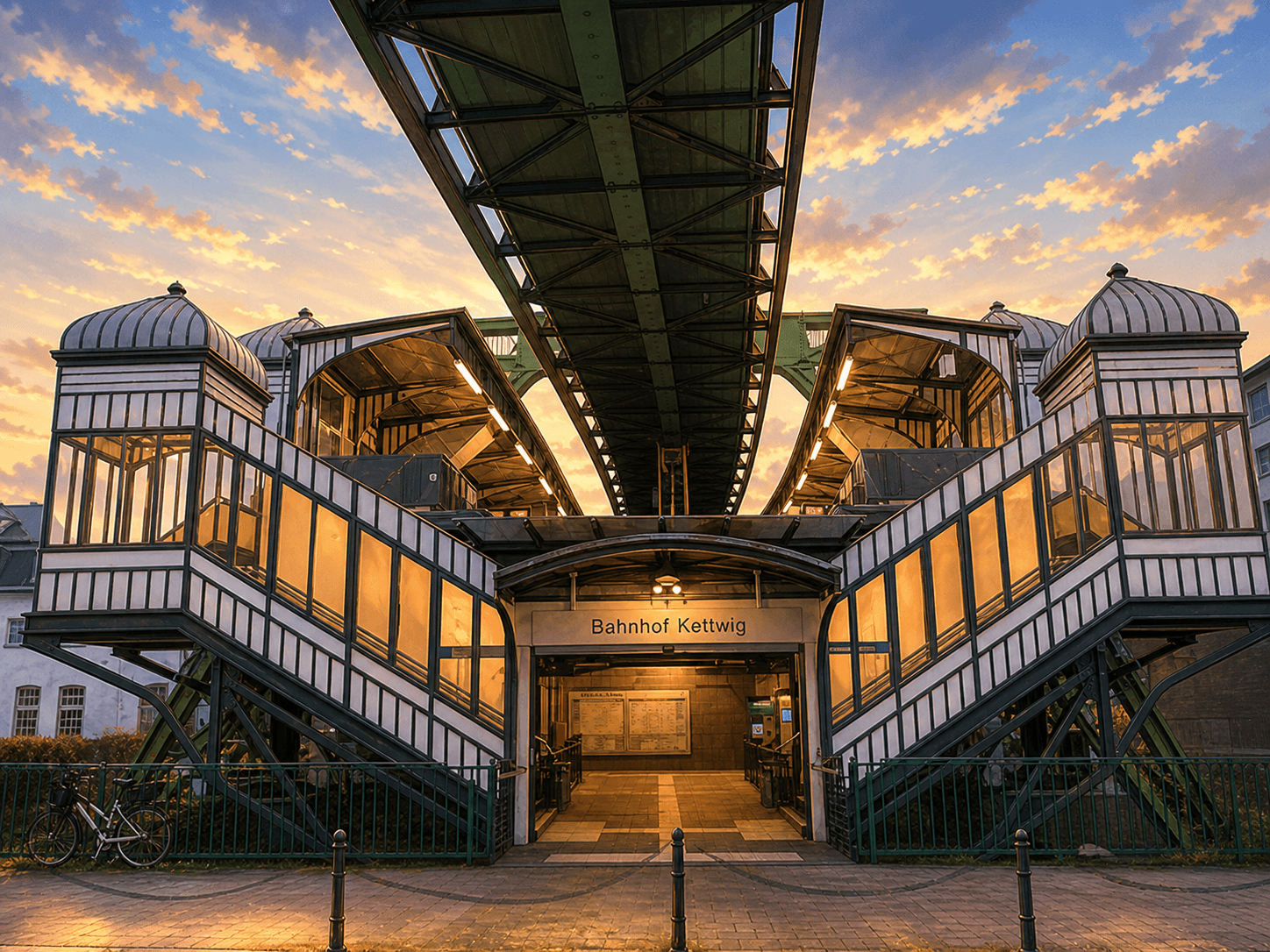
In January 2026, Wuppertal has made key decisions in health and care policy. With new planning initiatives, digital offerings, and a strong focus on dementia and age-appropriate neighborhood development, the city is setting the course for a sustainable future of care.
Health and Care in Wuppertal: A City in Transition
With 28% of its population aged 60 and over and a growing need for care, Wuppertal is compelled to invest in the long-term viability of its health and care systems. In January 2026, the Health, Aging, and Care Conference set important course corrections – both in structural and social areas.
Home and Institutional Care: Expanding Capacity
Wuppertal’s care infrastructure will be significantly expanded in the coming years. The number of day care spots is expected to double from 247 to 439 by 2030 – a necessary step to meet increasing demand. At the same time, the city is planning to increase capacity in short-term care (from 23 to 58 spots). Institutional care facilities remain important: currently, 41 facilities with 2,343 spots provide care. New projects, especially in the districts of Barmen and Elberfeld-West, are in the planning phase.
Home care services have remained stable, with 159 care recipients served by Wuppertal-based institutions and 147 by external providers. The challenge remains to optimize the spatial distribution of care services to ensure equal access even in peripheral areas.
Dementia and Special Care Needs: Focus on Target Groups
A central focus of care planning is the adaptation to specific needs. Group homes for people with dementia are being planned – currently, there are already 30 ambulant care units, which are to be expanded to 96 by 2030. Targeted offers are also being developed for care recipients with above-average body size, addiction disorders, or social adjustment problems.
The number of dementia cases is rising continuously: 6,831 cases are expected by 2030. This makes the expansion of counseling and care services indispensable. The city is also supporting projects such as the dementia exhibition in Sparkassen branches and the round table "Dementia & Depression."
Support for Caregivers: More than 9,000 Users
Care needs not only affect the affected individuals but also their relatives. In Wuppertal, more than 9,000 people currently use support services such as caregiver training, self-help groups, and visit services. This number has increased significantly compared to previous years – an indication of growing demand and at the same time the importance of such services.
Voluntary structures such as mentoring programs and neighborhood assistance are central to social support. With 70 senior centers and further initiatives such as "Old Helps Young," the daily lives of many seniors are improved. The city actively supports these structures and plans to strengthen them further.
Digitalization and Accessibility: New Paths in Care
Digital participation of older people is a central element of care planning. Wuppertal is relying on courses for the use of digital devices, online further education, and digital offers in senior centers. The Adult Education Center (Volkshochschule) plays a key role – just as the city does in the creation of barrier-free housing. Currently, there are 2,134 barrier-free apartments for seniors and 58 for wheelchair users. Projects such as "Living Well on the Wupper" are in development.
Future of Care: Training and Integration
The care sector in Wuppertal is facing personnel challenges. Although female staff make up the majority (80%), the number of trainees is declining. To counter this trend, the city is planning training offers such as part-time training and re-entry programs. A special project is "Care for Integration," which supports care-interested individuals with a history of displacement. These measures are crucial to close care gaps and at the same time promote diversity in the field.
Outlook: Healthy Cities and Coordinated Action
Wuppertal has taken another step toward networked health policy with the intent to join the national Healthy Cities Network. At the same time, the Youth Department is being integrated into the Health Conference to address health topics across all life phases.
The Health, Aging, and Care Conference remains central to coordination. It connects authorities, external partners, and NGOs to ensure comprehensive care and networking. With these measures, Wuppertal is not only investing in the present, but in a healthy and age-appropriate future.
NeoSearch analyses public council documents, committee minutes and municipal announcements. Source references appear automatically once verified meeting data is available.
What does this mean for businesses?
Municipal council decisions are early indicators: following the council agenda surfaces projects and tenders months before the official award — before they ever reach the procurement portals.
Track similar decisions in your region
Set up monitoring for Healthcare and Public Health in Nordrhein-Westfalen — prefilled from this article.
Set up monitoring →More signals from Wuppertal
Sport Policy in Wuppertal: Renovations, Rehabilitation Sports, and AI in April 2026
In April 2026, Wuppertal focused on key decisions regarding its sports infrastructure and promotion. The Sports Committee approved renovation measures for several swimming pools, discussed rehabilitation sports offerings, and laid the first groundwork for the introduction of AI in the Schwimmoper. An overview.
Read more → Wuppertal: Financial Policy in Focus – Replacement of the Executive Board and Budget Process in April 2026
In April 2026, Wuppertal made important decisions in the area of finance and budgeting. The City Council decided on the replacement of the head of the financial administration within the Executive Board, with political debates and amendment proposals influencing the process. This article highlights the background, decisions, and implications of these processes.
Read more → Wuppertal in April 2026: A Mobility Debate in Transition
In April 2026, numerous topics in the field of mobility were at the center of attention in Wuppertal: station modernizations, replacement rail traffic, bicycle infrastructure, and traffic calming measures. Numerous citizen proposals and infrastructure projects show how the city is responding to challenges in the transportation sector.
Read more →