Wuppertal in April 2026: Between the Energy Transition, Modernization Pressures, and a Climate-Neutral Future
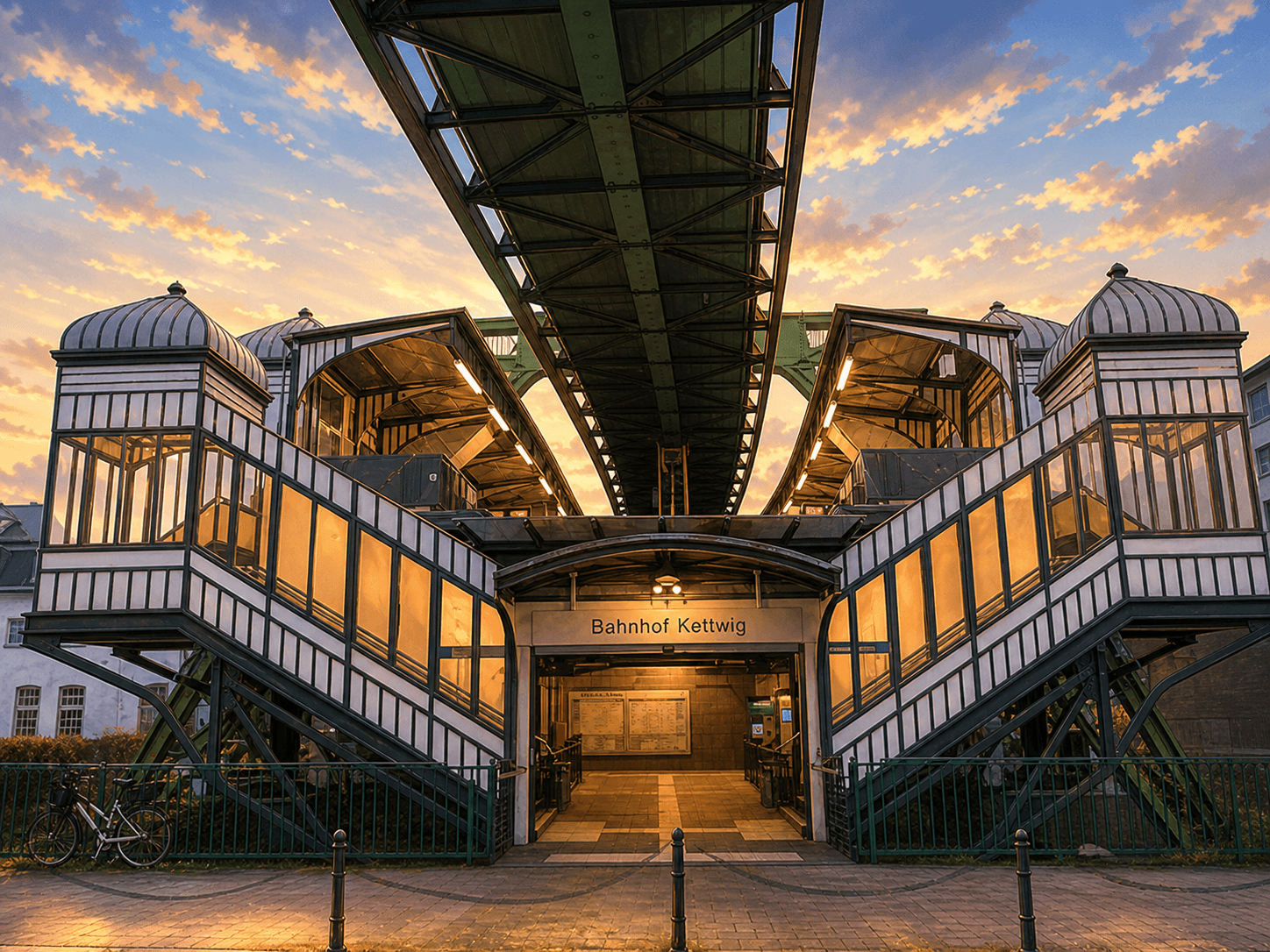
In April 2026, climate protection is in full swing in Wuppertal. The city is pursuing an ambitious goal: climate neutrality in the heating sector by 2035. The focus is on heating network planning, renewable energies, modernization of the building stock, and financial feasibility. This blog dive analyzes how the municipality is overcoming the challenges – and where the greatest hurdles lie.
Climate Protection in Focus: Wuppertal and Heat Planning 2026
Wuppertal has established itself in recent years as a pioneer in climate protection. In April 2026, the city is in the midst of implementing its Municipal Heat Plan (KWP), which envisions a climate-neutral heating sector by 2045. The Municipal Heat Plan is a central instrument for reducing greenhouse gas emissions in the urban heating sector from 702,142 tCO2e/a (2022) to 33,412 tCO2e/a by 2035.
The Challenges: Old Networks, Old Heating Systems, New Technologies
A central point of the current planning is the modernization of the heating networks, which have played a role in Wuppertal for decades. The district heating supply network (Talnetz, Südnetz) currently covers about 32.8% of the city's heating demand. However, these networks are aging and cause high heat losses.
The city therefore plans to gradually convert existing steam networks to hot water networks and build new local heating networks in suitable areas such as Uellendahl, Hilgershöhe, and Stahlsberg. Feasibility studies for these networks are planned until 2035.
Deep geothermal energy, on the other hand, is being approached cautiously. Although thermal water of up to 75°C could be accessed from the Massenkalke, the project is considered uneconomical due to high drilling costs. Instead, Wuppertal is relying on air-source heat pumps, which are expected to heat 66% of buildings by 2045.
Air-source Heat Pumps: The Key to the Heating Transition?
The installation of air-source heat pumps is a crucial pillar of the heating transition. To achieve the goal, approximately 2,200 heat pumps must be installed annually. In an accelerated scenario until 2035, even 5,800 devices would be needed – a number that is considered politically and economically unfeasible.
Another problem is the lack of infrastructure: the electricity networks must be expanded to cope with the increasing demand for electric heating. In addition, there is a shortage of skilled workers to carry out the installation work in a timely manner.
Neighborhood Solutions and Citizen Participation
To drive the implementation of the heating transition, Wuppertal is relying on neighborhood solutions. The pilot project Local Heating Supply in the Ölberg Quarter shows how decentralized heating networks can work. The city has also set up a contact point for neighborhood heating advisors, who support property owners in planning and financing.
Citizen participation is a central factor for success. The city has developed a communication strategy ranging from door-to-door consultations to digital information platforms. In addition, Wuppertal promotes the establishment of citizen energy cooperatives – a form of local participation that can also be economically attractive.
Financing: Grants, Subsidies, and Cooperation
However, financing the heating transition is a central problem. The feasibility studies for heating networks cost between 150,000 and 1.5 million euros, and the construction implementation can cost up to 50 million euros. To reduce costs, Wuppertal is relying on subsidies from the federal program Federal Funding for Efficient Heating Networks (BEW), which covers up to 40% of the costs.
In addition, the city is cooperating with energy suppliers such as Wuppertaler Stadtwerke (WSW) and greenventory GmbH, which provide technical expertise and project management. Furthermore, it is planned to include municipal buildings in a renovation schedule to strengthen the city's role as a model.
The Future: Climate Neutral by 2035?
Wuppertal has set itself an ambitious goal: climate neutrality by 2035. Compared to other cities, the goal is particularly ambitious, as the heating sector accounts for a high share of greenhouse gases.
The city is pursuing a multifaceted approach: heating network planning, renewable energies, modernization of the building stock, and citizen participation. Whether the goal can be achieved, however, depends heavily on implementation.
Conclusion: Wuppertal as a Model City?
Wuppertal shows that a climate-neutral heating transition is possible – if political will, technical innovation, and financial commitment work together. The challenges are great, but the city already has a clear plan and is relying on proven strategies such as neighborhood solutions, renewable energies, and citizen participation.
In the coming years, it will be crucial to implement the planning in practice and to use financial resources optimally. Wuppertal can thus establish itself as a model city for other municipalities – provided the implementation remains consistent.
NeoSearch analyses public council documents, committee minutes and municipal announcements. Source references appear automatically once verified meeting data is available.
What does this mean for businesses?
Municipal heat planning, photovoltaics and climate measures create early project indicators. Following council decisions surfaces sites and tenders before they are publicly advertised.
Track similar decisions in your region
Set up monitoring for environment & climate in Nordrhein-Westfalen — prefilled from this article.
Set up monitoring →More signals from Wuppertal
Sport Policy in Wuppertal: Renovations, Rehabilitation Sports, and AI in April 2026
In April 2026, Wuppertal focused on key decisions regarding its sports infrastructure and promotion. The Sports Committee approved renovation measures for several swimming pools, discussed rehabilitation sports offerings, and laid the first groundwork for the introduction of AI in the Schwimmoper. An overview.
Read more → Wuppertal: Financial Policy in Focus – Replacement of the Executive Board and Budget Process in April 2026
In April 2026, Wuppertal made important decisions in the area of finance and budgeting. The City Council decided on the replacement of the head of the financial administration within the Executive Board, with political debates and amendment proposals influencing the process. This article highlights the background, decisions, and implications of these processes.
Read more → Wuppertal in April 2026: A Mobility Debate in Transition
In April 2026, numerous topics in the field of mobility were at the center of attention in Wuppertal: station modernizations, replacement rail traffic, bicycle infrastructure, and traffic calming measures. Numerous citizen proposals and infrastructure projects show how the city is responding to challenges in the transportation sector.
Read more →