Wuppertal in April 2026: A Mobility Debate in Transition
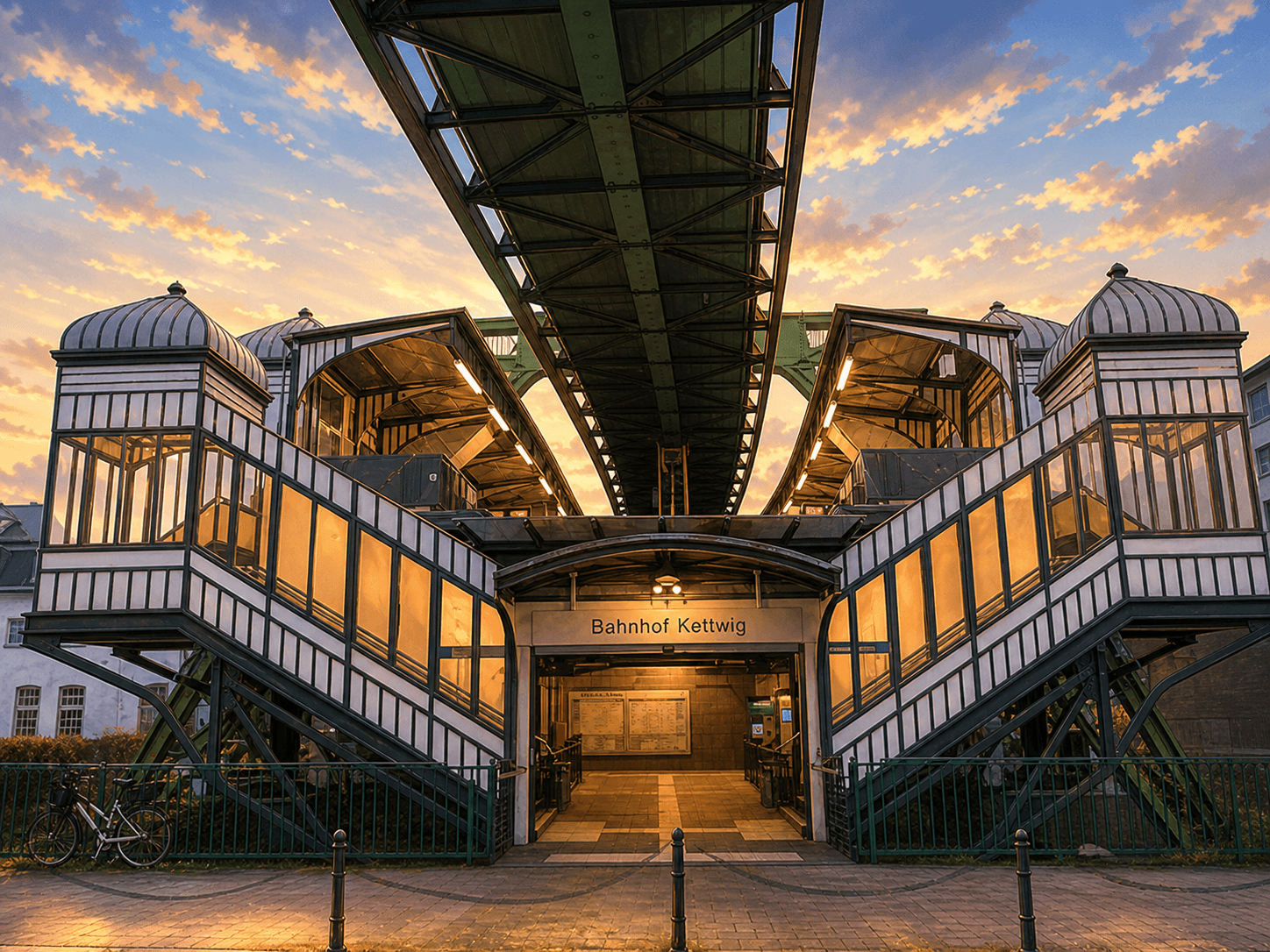
In April 2026, numerous topics in the field of mobility were at the center of attention in Wuppertal: station modernizations, replacement rail traffic, bicycle infrastructure, and traffic calming measures. Numerous citizen proposals and infrastructure projects show how the city is responding to challenges in the transportation sector.
Mobility in Wuppertal: Infrastructure, Safety, and Citizen Participation
Mobility in Wuppertal is more than just transportation: it is a central component of the city's quality of life, economic attractiveness, and climatic sustainability. April 2026 brought numerous decisions, plans, and debates that focus attention on the city's current and future transport policy.
Station Modernizations and Railway Infrastructure
In April 2026, the modernization of several Wuppertal train stations was in the spotlight. Hauptbahnhof, Vohwinkel, Barmen, and Oberbarmen are undergoing comprehensive renovations that redesign platforms, roofs, elevators, and passenger information systems. The major renovation of the Hagen–Wuppertal–Cologne railway line, including full closures and replacement traffic by DB SEV and GO.ON, was a central element of the transport planning. The renovation is scheduled to be completed by the end of 2027, and the punctuality rate has improved as a result of these measures.
Replacement Rail Traffic and Temporary Stops
In addition to railway infrastructure, replacement rail traffic was another key topic. Further measures at the Historical City Hall ensured improved safety, waiting areas, and wayfinding. Approximately 1,100 daily trips with 160 buses were implemented as part of the replacement traffic measures. However, the discussion on mobile weather protection at stops remained open, with pilot projects in Oberbarmen starting in April 2026.
Cycling and Safety Measures
Cycling was another focal theme. Proposals for new cycle paths, 30 km/h zones, and relief routes were discussed. Particularly the Nordbahntrasse and Dr. Kurt-Herberts-Straße were in the focus, where safety measures such as signage and bike racks were planned due to an accumulation of accidents. In addition, inspection mandates for cycle path approvals in Alsenstraße, Robertstraße, and Am Unterdörnen were initiated.
Citizen Proposals and Traffic Calming
Numerous citizen proposals concern traffic calming measures. For example, a proposal to reduce speed on Hochstraße to 40 km/h was discussed. Other suggestions include the filling of the pedestrian underpass at Loh, the improvement of barrier-free access on Schwelmer Straße, and the mitigation of critical turning situations. The city remains sensitive to the concerns of its citizens, even though not all wishes can be implemented due to legal or infrastructural constraints.
Further Initiatives and Future Visions
In addition to concrete measures, long-term initiatives were also discussed. The campaign STADTRADELN 2026, with the goal of 1 million kilometers in the Bergisches Städtedreieck (Bergische Triangle), and the planning of Lärmkartierung (noise mapping) Round 5 show how Wuppertal is responding to climatic and health-related issues. In addition, a quality management system for public transport is being examined to further improve service quality.
Conclusion: Mobility as a Central Transformation Process
April 2026 shows how much Wuppertal is in transition. The city is investing in modern train stations, safe cycling infrastructure, and traffic-calmed districts. At the same time, it remains sensitive to the concerns of its citizens and responds to challenges such as noise pollution, climate change, and social inclusion. The debates in April 2026 reflect a long-term transformation process – moving away from pure traffic management toward a holistic mobility strategy that harmonizes life, climate, and economy.
NeoSearch analyses public council documents, committee minutes and municipal announcements. Source references appear automatically once verified meeting data is available.
What does this mean for businesses?
Municipal council decisions are early indicators: following the council agenda surfaces projects and tenders months before the official award — before they ever reach the procurement portals.
Track similar decisions in your region
Set up monitoring for kommunale Projekte in Nordrhein-Westfalen — prefilled from this article.
Set up monitoring →More signals from Wuppertal
Sport Policy in Wuppertal: Renovations, Rehabilitation Sports, and AI in April 2026
In April 2026, Wuppertal focused on key decisions regarding its sports infrastructure and promotion. The Sports Committee approved renovation measures for several swimming pools, discussed rehabilitation sports offerings, and laid the first groundwork for the introduction of AI in the Schwimmoper. An overview.
Read more → Wuppertal: Financial Policy in Focus – Replacement of the Executive Board and Budget Process in April 2026
In April 2026, Wuppertal made important decisions in the area of finance and budgeting. The City Council decided on the replacement of the head of the financial administration within the Executive Board, with political debates and amendment proposals influencing the process. This article highlights the background, decisions, and implications of these processes.
Read more → Wuppertal in April 2026: Between the Energy Transition, Modernization Pressures, and a Climate-Neutral Future
In April 2026, climate protection is in full swing in Wuppertal. The city is pursuing an ambitious goal: climate neutrality in the heating sector by 2035. The focus is on heating network planning, renewable energies, modernization of the building stock, and financial feasibility. This blog dive analyzes how the municipality is overcoming the challenges – and where the greatest hurdles lie.
Read more →