Mobility in Wuppertal: Insights into Traffic Policy January 2026
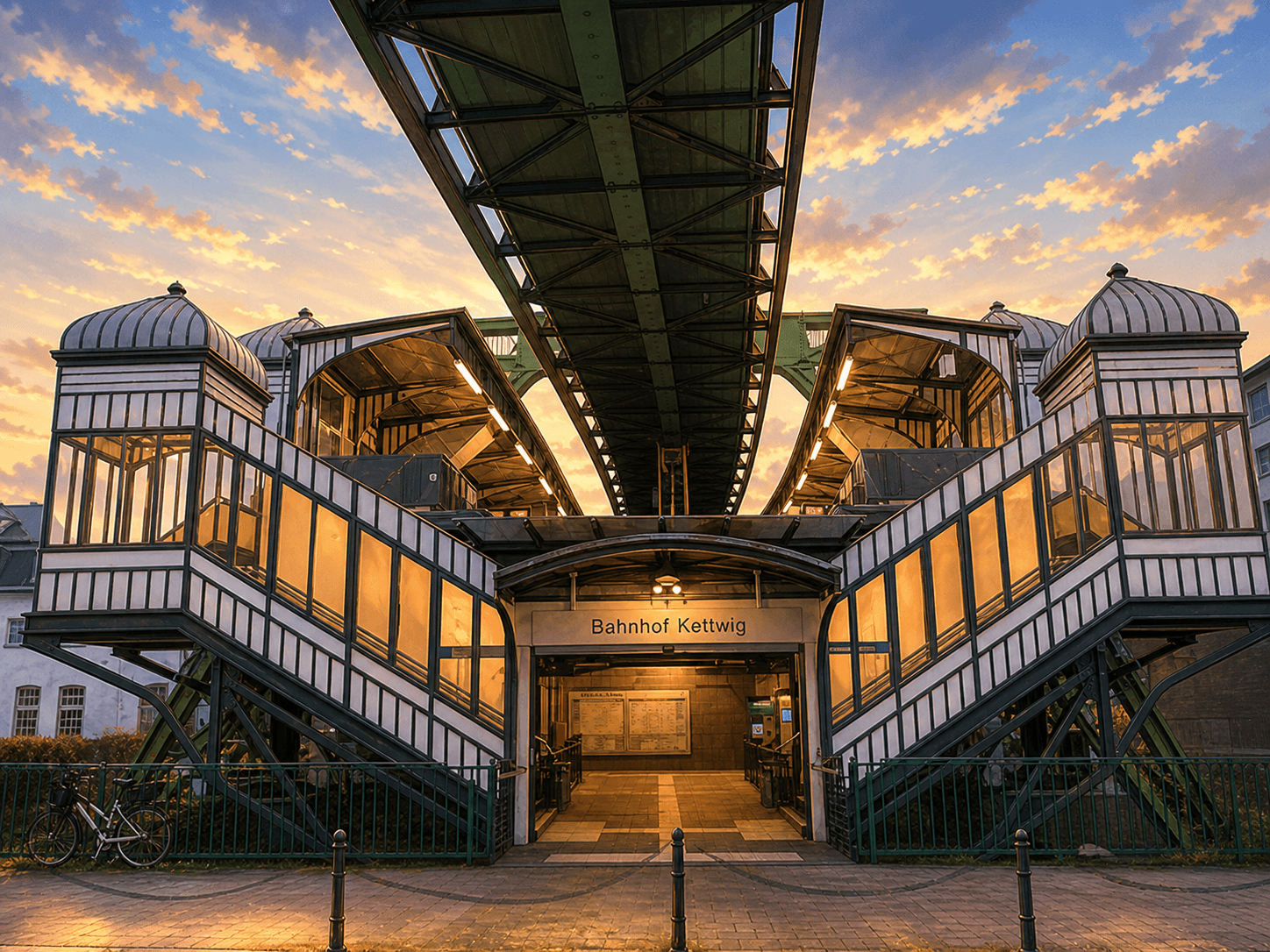
In January 2026, Wuppertal set important milestones in traffic policy. The focus was on strengthening electromobility, the modernization of the suspension railway, and the expansion of cycling and pedestrian infrastructure. In the following, we analyze the central decisions, their background, and their implications.
Insights into Wuppertal's Traffic Policy – January 2026
Wuppertal has positioned itself as a pioneer in sustainable mobility in recent years. In January 2026, the city once again set impulses with far-reaching decisions in the field of traffic and mobility. These measures not only reflect local traffic policy but also the response to overarching topics such as climate protection, infrastructure modernization, and social transport planning.
Electromobility in Focus
The expansion of charging infrastructure was a central topic in the January session. In Uellendahl-Katernberg and on over-urban roads, 7 site profiles for charging infrastructure were presented. The goal is to enable electromobility in a comprehensive and barrier-free manner. The sites have been deliberately selected in the vicinity of bus stops and with a high public charging potential to make the switch to electric vehicles more attractive.
Another milestone is the planning of charging stations at strategically important locations, which are planned as part of the charging infrastructure concept VO/0715/25. The city emphasizes the need to design the charging infrastructure not only technically, but also socially and ecologically sustainable. The investments are part of the long-term strategy to promote low-carbon mobility and thus meet the city's climate protection goals.
Suspension Railway: Safety and Modernization
The suspension railway remains a key topic in 2026 as well. With an investment of 16.1 million euros, the modernization of the suspension railway framework is planned. The goal is to ensure the long-term traffic safety of this iconic means of transport. The funds for this come from a combined financing model that is funded both from revenues and expenditures.
In addition, the construction of the new bus workshop in Varresbeck and the suspension railway carriage shed in Vohwinkel is in planning, with an investment amount of 65.7 million euros. These measures are part of the infrastructural modernization and are intended to expand the capacities of public transport. However, the traffic areas in product area 54 continue to show a deficit that is to be reduced in the coming years through increasing revenues and subsidies.
Cycling and Pedestrian Traffic: Creating Connections
Another important topic was the closure of the Schanzenweg gap. The application for the planning of a continuous cycle and pedestrian path to the S-Bahn station Rosenhügel was supported by several factions. The aim is to improve access to the station and thus promote local mobility. The current condition of the path, which is characterized by an unsealed section, makes it difficult to use, especially in wet weather.
The project is part of a larger plan to expand the junction network for cycling in the Bergisches Städtedreieck (Bergisch Triangle of Cities). With a length of about 106.1 kilometers in Wuppertal and a cost share of 45,000 euros, the city is on its way to significantly optimizing the cycle path network. This project is also part of the preparations for the BUGA 2027, in which Wuppertal will play a central role.
Budget Planning and Investments
Financial planning remains a tense topic. The overall balance of product area 54 (traffic areas and facilities, public transport) remains negative: –97.86 million euros. The main loss carriers are the public traffic areas and the student transport. The latter has a balance of –10.14 million euros due to increasing student numbers, wage increases, and ticket prices.
Despite the deficit, Wuppertal is investing. 3.1 million euros are planned annually for street cleaning and winter services, which is particularly relevant due to the cold winter days in the region. The city is also financing the BUGA bike route with 25.8 million euros, which is to be completed by 2030.
Outlook and Challenges
Wuppertal's traffic policy faces major challenges in 2026. The climate protection goals, the financial consolidation, and the preservation of infrastructure must be aligned. At the same time, BUGA 2027 offers a unique opportunity to position the city as a model for sustainable mobility.
Digitization and the optimization of administrative processes are also crucial for the long-term stability of the traffic system. With the introduction of AI-supported traffic management systems and the modernization of the municipal services department, Wuppertal not only wants to gain efficiency but also increase road safety.
Overall, Wuppertal shows itself in January 2026 as a city that is actively addressing the future of mobility. By investing in infrastructure, electromobility, and local transport, it is setting impulses not only for the local population but also for the region and the state of North Rhine-Westphalia.
NeoSearch analyses public council documents, committee minutes and municipal announcements. Source references appear automatically once verified meeting data is available.
What does this mean for businesses?
Urban development, zoning plans and commercial settlements create early construction and supply opportunities. Following council decisions reveals projects before they go to tender.
Track similar decisions in your region
Set up monitoring for economic development in Nordrhein-Westfalen — prefilled from this article.
Set up monitoring →More signals from Wuppertal
Sport Policy in Wuppertal: Renovations, Rehabilitation Sports, and AI in April 2026
In April 2026, Wuppertal focused on key decisions regarding its sports infrastructure and promotion. The Sports Committee approved renovation measures for several swimming pools, discussed rehabilitation sports offerings, and laid the first groundwork for the introduction of AI in the Schwimmoper. An overview.
Read more → Wuppertal: Financial Policy in Focus – Replacement of the Executive Board and Budget Process in April 2026
In April 2026, Wuppertal made important decisions in the area of finance and budgeting. The City Council decided on the replacement of the head of the financial administration within the Executive Board, with political debates and amendment proposals influencing the process. This article highlights the background, decisions, and implications of these processes.
Read more → Wuppertal in April 2026: A Mobility Debate in Transition
In April 2026, numerous topics in the field of mobility were at the center of attention in Wuppertal: station modernizations, replacement rail traffic, bicycle infrastructure, and traffic calming measures. Numerous citizen proposals and infrastructure projects show how the city is responding to challenges in the transportation sector.
Read more →