Rheinberg: Urban Development and Construction in April 2026 – Impulses, Challenges, and Future Visions
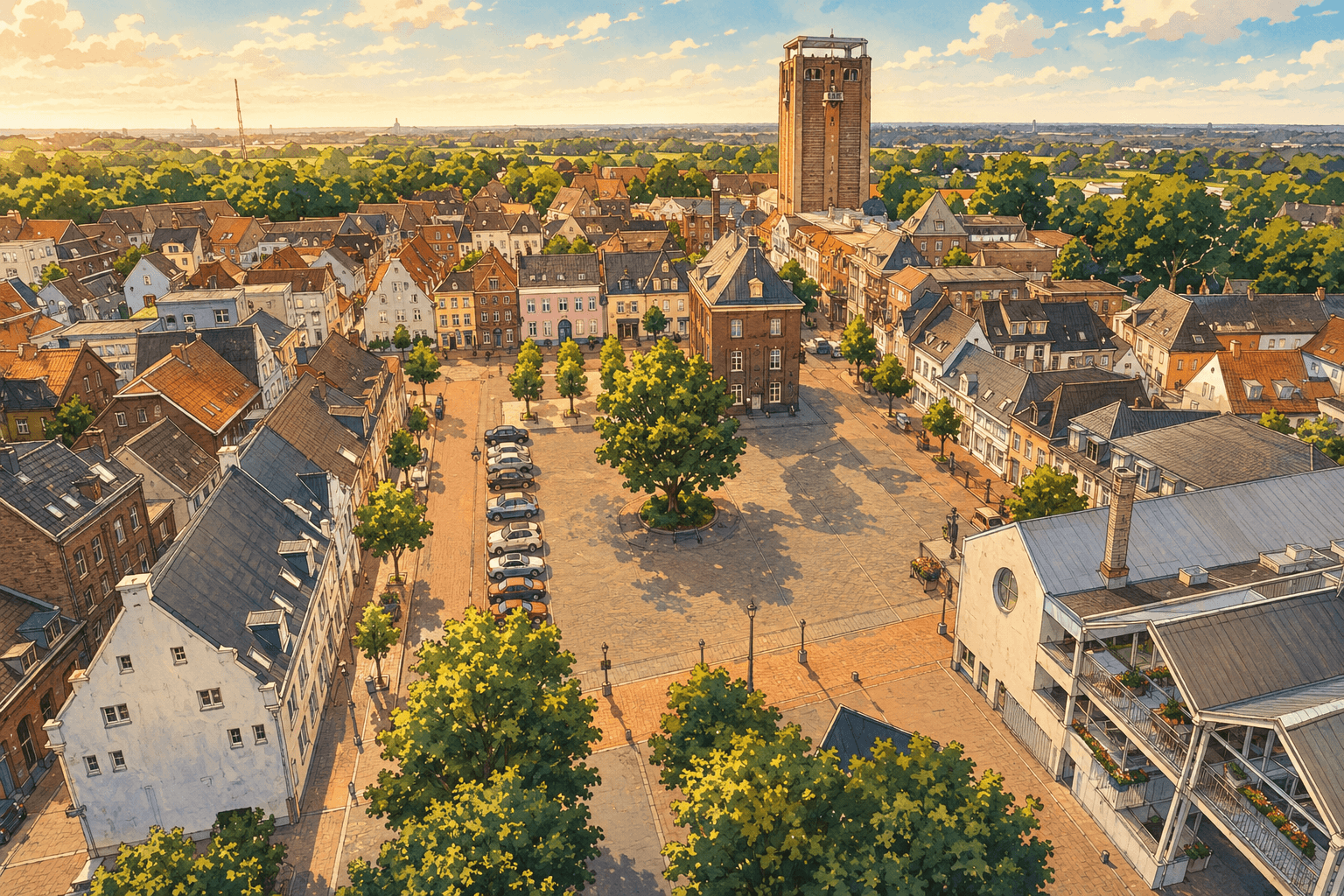
In April 2026, the city of Rheinberg set new impulses in the fields of urban development, construction, and mobility. From the revision of the Building Code to the renovation of school toilets – the city is pursuing its policy goals with clear planning and forward-looking strategies. This blog article analyses the most important decisions, backgrounds, and implications.
Rheinberg: Urban Development and Construction in April 2026 – Impulses, Challenges, and Future Visions
The city of Rheinberg has taken action as a municipal actor in urban development and construction planning in April 2026. Numerous decisions and initiatives show how the city is responding to current challenges – from housing shortages and climate adaptation to securing infrastructure. Particular focus was placed on the revision of the Building Code (BauGB), the renovation of school toilets, the planning of pedestrian infrastructure, and urban development within the inner city.
The "Construction Accelerator" and Its Consequences
The revision of the BauGB, which came into effect on October 30, 2025, has produced concrete action guidelines for Rheinberg. The goal is to boost housing construction by making rooftop additions, extensions, and second-row construction easier. Section 36a BauGB regulates the approval of the municipality, which is considered granted if no objection is raised within three months.
Additionally, Section 246e BauGB allows for temporary deviations from building law provisions until 2030 – although not from other specialist laws such as the North Rhine-Westphalia Building Ordinance or spatial planning law. The city has developed municipal guidelines to clarify the application of these new regulations. A clear division of responsibilities has been established: applications for more than 5,000 m² are handled by the Committee for Construction and Planning, while smaller projects are directly submitted to the Mayor.
These regulations show how Rheinberg is using legal leeway to relieve the housing market, without losing sight of the landscape identity or the protection of conservation areas. The city is focusing on inner-city development, urban development contracts, and a minimum quota of 30% subsidized housing to ensure social housing.
School Toilet Renovation Program: Hygiene Meets Educational Policy
Another key focus was the renovation of school toilets operated by the city. With an investment of 12.8 million euros from the North Rhine-Westphalia Plan, the city will address the worst deficiencies in the coming months. The goal is to replace outdated installations, create barrier-free access, and combat vandalism.
The renovation is part of a long-term strategy to bring the educational infrastructure in Rheinberg up to a modern standard. Semi-annual reports to the Council ensure transparency and enable continuous evaluation. This investment is not only hygienically important but also a signal of the city's appreciation for its education system.
Rethinking Mobility: Pedestrian Traffic, Barrier-Free Access, and School Routes
In the field of mobility, Rheinberg focused this month on more than just traffic planning: pedestrian traffic and barrier-free access were central. As part of the 2025 Pedestrian Traffic Check in NRW, 51 measures were developed, including the installation of parent waiting stops, the optimization of school routes, and the construction of barrier-free bus stops.
Particularly noteworthy is the creation of a measure register that thematically and cartographically compiles all projects. The city plans to build seven new barrier-free bus stops by 2026 and has already adopted guidelines for a pedestrian-friendly Rheinberg. The digital map at maps.viakoeln.de offers a transparent overview and is accessible to citizens.
In addition, the shuttle bus 913 between Orsoyerberg and Vierbaum was evaluated. Although an extension of operating hours was rejected, the bus remains an important element of local transport. Cost-benefit considerations played a decisive role here – an indication that the city is pragmatically managing limited resources.
Construction Projects and Urban Planning: From the Old Town Hall to Moerser Straße
In April, several concrete construction projects were also advanced. The new construction of the European School, the renovation of the Old Town Hall, and the expansion of the Gymnasium with a science wing are examples of investments in educational and administrative infrastructure.
Urban planning is also in motion: Development Plan No. 39 (Moerser Straße) was revised, and the infrastructure work in Plan No. 13 (Baerler Straße) was completed by May. In addition, sewer rehabilitation and water pipe replacements were carried out in several districts.
These projects show how Rheinberg is building for the future – with a focus on modernity, sustainability, and high-quality urban development.
Conclusion: A City in Transition
April 2026 was a month of many impulses in urban development and construction for Rheinberg. The city is addressing current challenges such as housing shortages, climate change, and infrastructure deficits in a targeted manner, relying on clear planning, transparent processes, and citizen-friendly decisions.
The revision of the BauGB, the renovation of school toilets, and the improvement of mobility are just a few examples of how Rheinberg is positioning itself as a modern, livable city. In the coming year, the results of these measures will become visible – and the city has thus laid the foundation for a sustainable future.
NeoSearch analyses public council documents, committee minutes and municipal announcements. Source references appear automatically once verified meeting data is available.
What does this mean for businesses?
Urban development, zoning plans and commercial settlements create early construction and supply opportunities. Following council decisions reveals projects before they go to tender.
Track similar decisions in your region
Set up monitoring for economic development in Nordrhein-Westfalen — prefilled from this article.
Set up monitoring →More signals from Rheinberg
Rheinberg in April 2026: Construction Projects, Renovations, and Mobility Development
In April 2026, the city of Rheinberg set important priorities in the areas of construction, school infrastructure, and mobility. The Construction and Planning Committee as well as the Committee for Urban Development, Environment, Agriculture, and Mobility made clear decisions and guidelines.
Read more → 2026 Budget Plan: Rheinberg Between Deficits, Investments, and Cost-Cutting Measures
In March 2026, the focus in Rheinberg was on decisions regarding the 2026 budget. A deficit of over 14 million euros, investments in climate protection and digitalization, and cost-cutting measures in social and tourism areas outline a complex picture of municipal financial policy.
Read more → Horse Chestnuts in Rheinberg: A Critical Challenge for Urban Nature
Rheinberg's horse chestnut population is severely affected. In the March 2026 meeting, the extent of the damage and possible strategies were discussed. The focus was on the horse chestnut complex disease, financial implications, and the preservation of the cityscape.
Read more →