Horse Chestnuts in Rheinberg: A Critical Challenge for Urban Nature
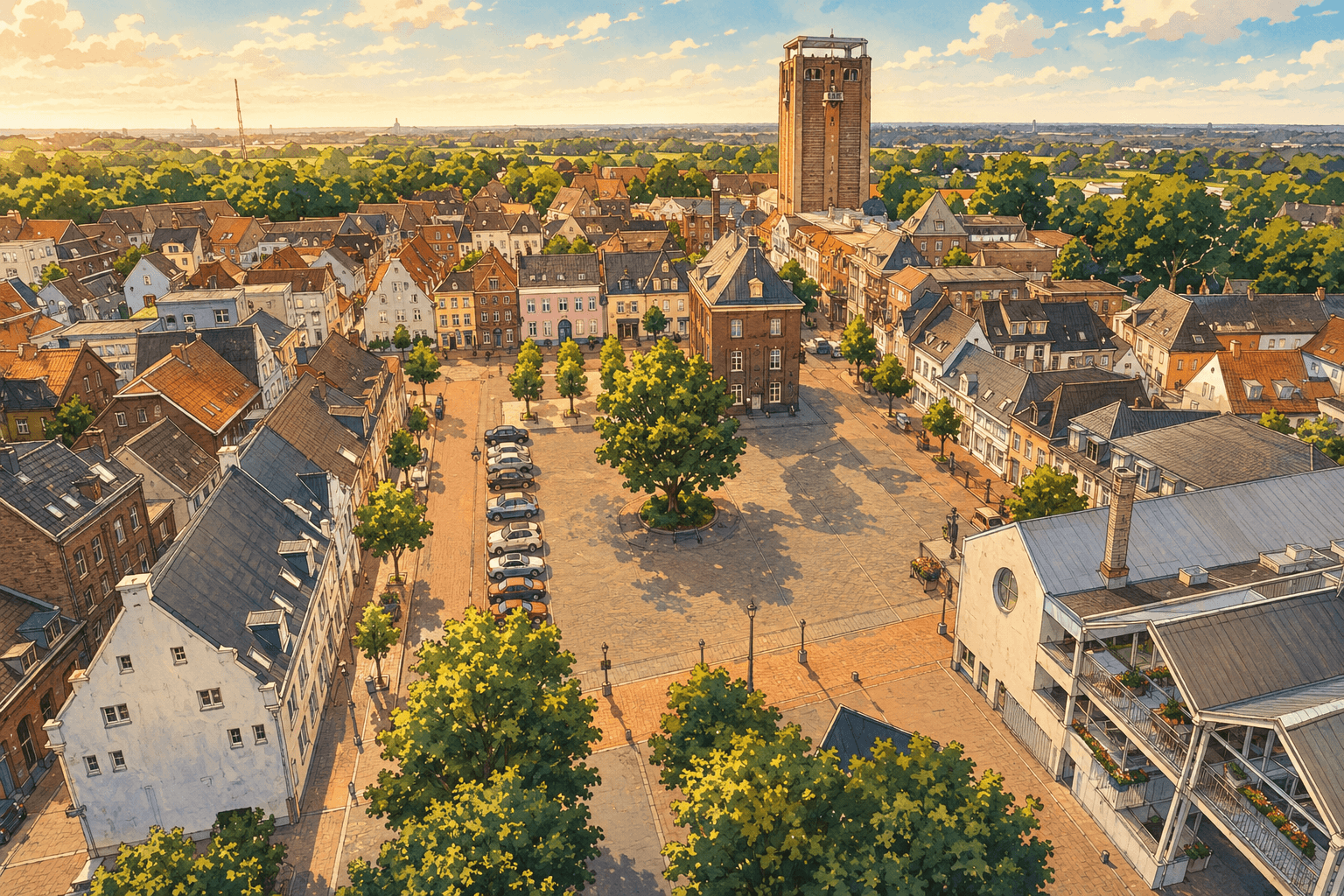
Rheinberg's horse chestnut population is severely affected. In the March 2026 meeting, the extent of the damage and possible strategies were discussed. The focus was on the horse chestnut complex disease, financial implications, and the preservation of the cityscape.
Horse Chestnut Crisis in Rheinberg: Damage, Finances, and Future Visions
The horse chestnuts, which have been a defining element of the Rheinberg cityscape for decades, are currently facing a serious crisis. In the March 2026 meeting of the Rheinberg city administration, a comprehensive picture of the current situation was presented, highlighting both technical and financial challenges. The horse chestnut complex disease, caused by the bacterium Pseudomonas syringae pv. Aesculi, has already severely damaged over half of the 174 horse chestnuts in the city.
Condition of the Horse Chestnuts: Symptoms and Scope of Damage
The horse chestnut complex disease is not new, but in Rheinberg, it has taken a critical turn in recent years. Typical symptoms such as "bleeding" of the bark and dying crown parts were observed in 98 of the examined horse chestnuts. Additionally, infestations by the fungus Phytophthora and the velvet foot fungus (Flammulina velutipes) were confirmed in several trees.
The vitality levels of the horse chestnuts range from "1" (good) to "4" (severely damaged to dying). Particularly affected are the horse chestnuts at the Kirchplatz and Kattewall, where more than two-thirds of the trees are damaged. One tree at the Kattewall was already completely dead.
The city does not have approved plant protection agents against Pseudomonas syringae. Instead, an action plan is being developed that replaces the endangered trees and supports the remaining horse chestnuts through measures such as sufficient watering and planting with endomycorrhiza.
Financial and Organizational Challenges
The horse chestnut crisis is not only ecological but also financial in nature. The 2026 budget already includes several items for green areas, nature and landscape maintenance, and the removal of damage caused by horse chestnuts. Under the budget item 41410000 (Climate & Forestry Allowance) and 44880000 (Compensation for Tree Felling), funds are allocated for renovation measures, tree felling, and replanting.
Additionally, increasing costs for green and tree maintenance are expected. Starting in 2026, an hourly rate increase from the German Agricultural Advisory Service (DLB) is anticipated, which could further increase the costs for horse chestnut maintenance. The city also plans to replace heavily damaged young trees with future-oriented tree species, which will also incur costs for planting, maintenance, and monitoring.
Future of the Horse Chestnuts: Action Plan and Cityscape
The horse chestnuts are a part of Rheinberg's identity. A comprehensive felling would significantly alter the cityscape and could face resistance from the population. Therefore, the city is implementing a differentiated action plan. Severely damaged trees classified as "hazard trees" are to be replaced. For the remaining horse chestnuts, a long-term maintenance plan is in place, which also takes into account the impacts of climate change.
In addition, a replanting plan with future-oriented tree species is in the works. These species should be robust against climate changes and pests and enrich the cityscape in the long term. The city also plans to inoculate the new plantings with endomycorrhiza to strengthen their vitality.
The financial planning for the coming years is therefore not only focused on the direct costs of felling and planting, but also on long-term investments in a climate-resilient urban nature.
Outlook: From Crisis to a New Urban Tree Strategy
The horse chestnut crisis in Rheinberg is an example of how cities must deal with the challenges of climate change and the biodiversity crisis. The situation requires not only technical expertise, but also financial planning security and political will.
In the coming months, an action plan for the horse chestnuts will be developed that will not only limit the damage but also change the urban nature in the long term. The city of Rheinberg has an opportunity here to turn a crisis into a vision — a vision of a green, resilient, and livable city.
NeoSearch analyses public council documents, committee minutes and municipal announcements. Source references appear automatically once verified meeting data is available.
What does this mean for businesses?
Municipal heat planning, photovoltaics and climate measures create early project indicators. Following council decisions surfaces sites and tenders before they are publicly advertised.
Track similar decisions in your region
Set up monitoring for environment & climate in Nordrhein-Westfalen — prefilled from this article.
Set up monitoring →More signals from Rheinberg
Rheinberg in April 2026: Construction Projects, Renovations, and Mobility Development
In April 2026, the city of Rheinberg set important priorities in the areas of construction, school infrastructure, and mobility. The Construction and Planning Committee as well as the Committee for Urban Development, Environment, Agriculture, and Mobility made clear decisions and guidelines.
Read more → Rheinberg: Urban Development and Construction in April 2026 – Impulses, Challenges, and Future Visions
In April 2026, the city of Rheinberg set new impulses in the fields of urban development, construction, and mobility. From the revision of the Building Code to the renovation of school toilets – the city is pursuing its policy goals with clear planning and forward-looking strategies. This blog article analyses the most important decisions, backgrounds, and implications.
Read more → 2026 Budget Plan: Rheinberg Between Deficits, Investments, and Cost-Cutting Measures
In March 2026, the focus in Rheinberg was on decisions regarding the 2026 budget. A deficit of over 14 million euros, investments in climate protection and digitalization, and cost-cutting measures in social and tourism areas outline a complex picture of municipal financial policy.
Read more →