Construction Policy and Real Estate Economy: The Focus of Oberbergischer Kreis in March 2026
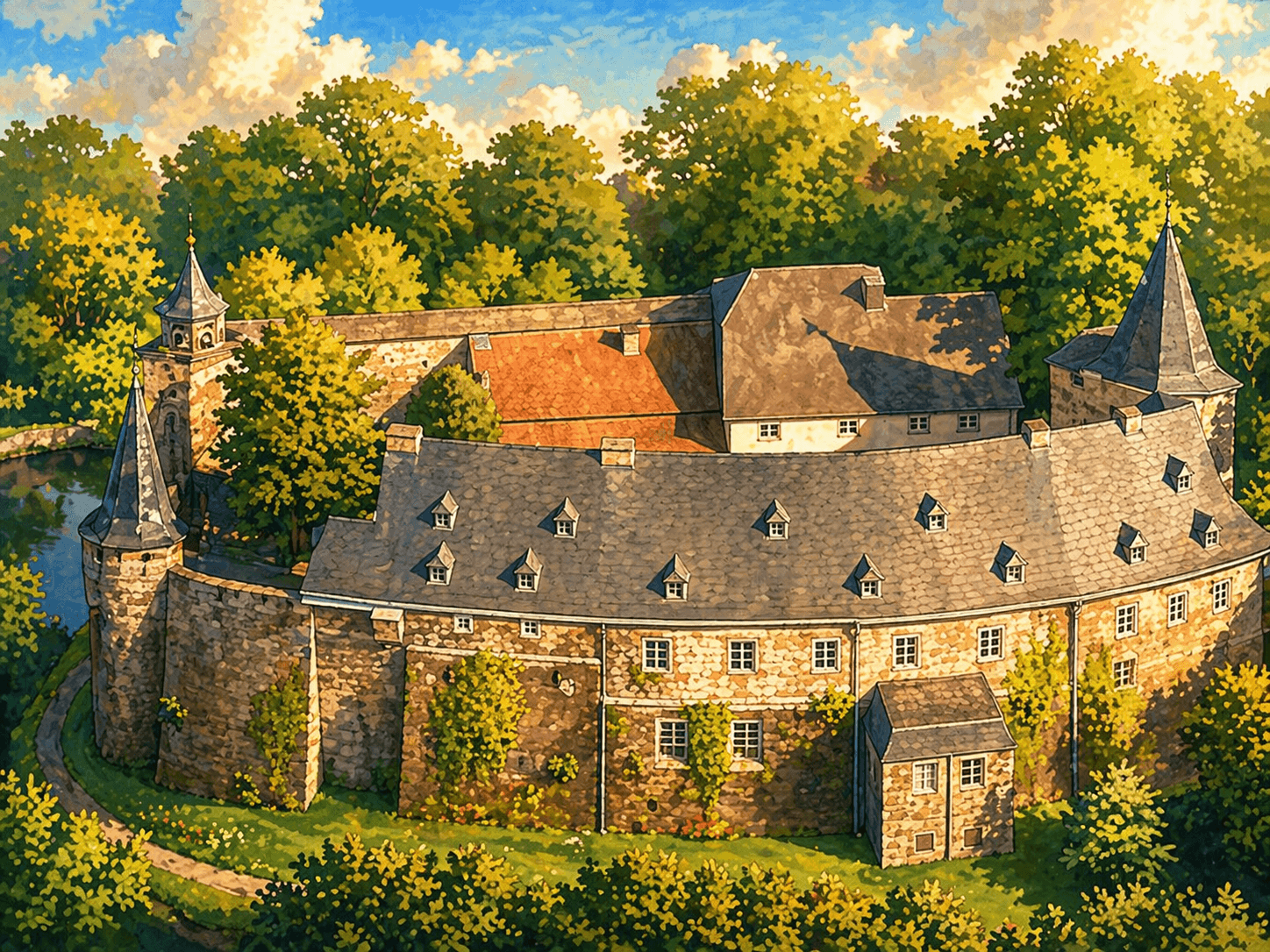
In March 2026, the Oberbergischer Kreis saw numerous key decisions in the Building Committee. From the renovation of special needs schools to the establishment of new rescue stations and even the organization of the committee itself – the region is making clear statements in urban development.
Construction Policy and Real Estate Economy: The Focus of Oberbergischer Kreis in March 2026
Urban development and real estate management form a central component of municipal development in the Oberbergischer Kreis. In March 2026, several significant decisions and planning processes were addressed in the Building Committee, covering not only infrastructural but also organizational and legal aspects. The meeting on March 4, 2026, served as a central forum for these topics, addressing both long-term projects and short-term organizational steps.
Structural Changes and Personnel Issues in the Building Committee
The constitutive session of the Building Committee began with organizational measures. A new secretary (Mr. Ingo Kalkum) and a deputy secretary (Mr. Stefan Bröcher) were appointed to ensure smooth operations of the committee. These appointments were made in accordance with § 41 (9) KrO NRW and the rules of procedure of the County Council. Furthermore, expert citizens were sworn in, establishing a legal and ethical framework for their activities. The swearing-in was conducted under an oath, as required by the county ordinance.
The designation of committee members to co-sign the meeting minutes is another organizational step that ensures transparency and accountability. Representatives from all factions (CDU, SPD, AfD, Greens, The Left, FDP, UWG) were named, emphasizing the broad political representation within the committee.
Oberwiehl Special Needs School: Renovation and Expansion
A central planning item was the expansion and renovation of the Helen-Keller School in Oberwiehl. Student numbers have increased by nearly 20% since 2017/2018, necessitating an expansion of the facilities. The county approved an unplanned expenditure of up to 2 million euros, which is to be offset by unused funds from other projects.
The renovation measures include the renewal of electrical installations, the creation of barrier-free access, barrier-free bathrooms, and a comprehensive upgrading of the outdoor areas. The total cost of the project amounts to 2.892 million euros, with 942,000 euros provided from the budget. In addition, funds from other projects such as the renovation of Wiedenhof (500,000 euros) and AGewiS III (1.45 million euros) will be allocated.
Real Estate Management and Future Rescue Stations
Another topic was the presentation of the Office for Real Estate Management, which is responsible for the maintenance of county-owned properties. The office is divided into three departments: Land Management, High-Rise Construction, and County Roads. It oversees the operation of 57 county-owned buildings with over 150,000 m² of usable space and 65 leased properties. A special project is the planning of new rescue stations, with currently 9 stations planned for new construction. In March, a property in Engelskirchen was already presented for the purchase of a new rescue station.
Outlook and Areas of Action
The decisions of the Building Committee in March 2026 show that the Oberbergischer Kreis is placing a clear focus on infrastructural and organizational stability. The investments in educational institutions such as the Helen-Keller School emphasize the priority the county attaches to inclusion and education. At the same time, it becomes clear that real estate management plays a central role – not only in administration but also in security planning through the establishment of rescue stations.
In the coming months, it will be important to monitor the financial implementation of the projects and ensure that funds are used sustainably. Moreover, the question of how the organizational structures of the Building Committee affect transparency and citizen participation remains a central aspect of urban governance.
NeoSearch analyses public council documents, committee minutes and municipal announcements. Source references appear automatically once verified meeting data is available.
What does this mean for businesses?
Schools, daycare centres and public buildings create early planning and construction opportunities. Following council agendas surfaces tenders for refurbishment, new builds and fit-out months before the official award — from shell construction to specialist planning to furnishing.
Track similar decisions in your region
Set up monitoring for education & public facilities in Nordrhein-Westfalen — prefilled from this article.
Set up monitoring →More signals from Oberbergischerkreis
Youth Policy in the Oberbergischer Kreis: The Youth Welfare Committee in March 2026 in Focus
In March 2026, the Oberbergischer Kreis Youth Welfare Committee focused on several key decisions. In addition to the constitutive meeting and the election of new leadership, the members discussed the planning of childcare places and the continuation of the plusKITAs funding. An overview of the most important developments in youth policy.
Read more → Oberbergischer Kreis: Financial Policy in March 2026 – Expansion of the Special Needs School and Waiver of Consolidated Financial Statement Requirement
In March 2026, financial policy took center stage in the Oberbergischer Kreis. The Finance Committee addressed the unplanned expenditure for the expansion of the special needs school in Oberwiehl as well as the waiver of the obligation to prepare a consolidated financial statement.
Read more → Educational Policy in the Oberberg District: Expansion, Innovations, and Structural Changes
In March 2026, the Oberberg District focuses on the expansion of its educational infrastructure, the introduction of new educational programs, and the strengthening of the STEM fields. The establishment of a third special needs school and the setting up of a two-year vocational college for business and administration show how the region is advancing its educational policy.
Read more →