Münster in January 2026: Mobility, Climate, and Finance in Focus
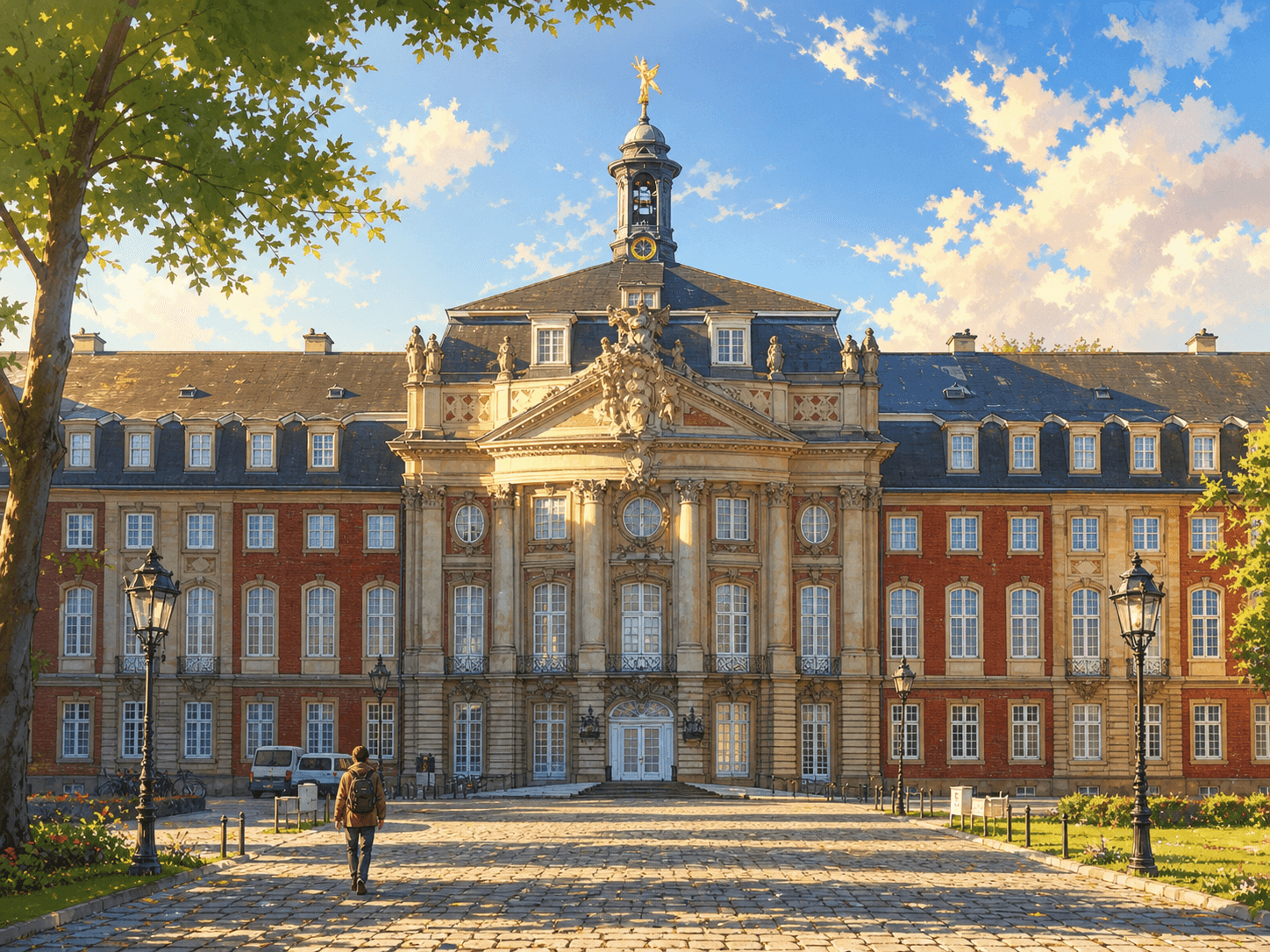
In January 2026, Münster focused on a range of key topics: new mobility concepts, climate action, and financial decisions shaped urban development. Learn what was important in this month and what is relevant for citizens.
Changes on the Streets – For More Safety and Climate Protection
What Was Important This Month
- New lighting at the Kanalpromenade – for greater safety and less disturbance for animals.
- Aegidiistraße becomes a bicycle street – in two phases until 2030.
- Westhoffstraße and Lublinring – renovations in progress, funding is flowing.
- Martiniviertel becomes barrier-free – including green spaces and bicycle traffic.
- Climate protection remains a priority – with measures at the Aasee and a Climate Budget.
Mobility and Urban Development – Paths into the Future
In January 2026, several measures were decided that put the mobility in Münster under review. The Kanalpromenade is receiving adaptive lighting, active between 5:00 a.m. and sunrise as well as sunset and 12:00 a.m. The goal is to make cycling safer without disturbing nature, especially bats and birds.
The Aegidiistraße is being expanded in two phases into a bicycle street: first as a "Bicycle Street Basis" with red markings and pictograms, then from 2029/2030 as a "Bicycle Street Plus." The Martiniviertel is also undergoing a comprehensive redesign: a pedestrian-friendly zone, 18 trees, 213 bicycle parking spaces, 20 seating areas, and rainwater management. These measures are part of the project "Zukunft StadtRaum Martiniviertel", which focuses on barrier-free access and urban quality of stay.
The Westhoffstraße and the Lublinring are also receiving attention. In the Westhoffstraße, barrier-free bus stops are being built, while on the Lublinring, right-turn lanes are being created to improve traffic safety at accident hotspots.
Climate Protection Remains a Priority – Aasee and Climate Budget
The Resilience Strategy Aasee is continuing, with a budget of 130,000 € per year. Measures such as aeration devices, phosphorus precipitation, and natural shore design help reduce algal growth, although chlorophyll-a levels remain high. At the same time, the StoLam model is being used to simulate measures in advance.
Politically, Münster has introduced the Climate Budget to assess financial decisions in terms of their climate effects more transparently. Since 1990, CO₂ emissions have decreased by 37% to 1,647 kt (2024). This is a success that still needs to be continued.
Financial Decisions and Funding – More Transparency
In the financial area, clear decisions were made: The subsidy for SC Preußen Münster is included in the 2026/2027 budget plan. If the club maintains its division, the club receives 195,098 €, if it is relegated, 585,293 €. For the renovation of the Hörsterstraße, 4.112 million euros in funding are flowing, which means the city has no contribution obligation here. The costs for the Lublinring amount to 3 million euros, of which 980,000 euros are eligible for funding.
The AWM positions are also being re-evaluated: Five positions that were previously frozen can be refilled – among others for digitization and security tasks within the NIS 2 directive.
Culture and Citizen Participation – Shaping the Future
In the cultural sector, a new funding model is being introduced: The Sunset Clause means that subsidies are time-limited. Projects such as the Wolfgang-Borchert-Theater and the Theater im Pumpenhaus will receive support until 2033. The Youth Council also discussed the project "YAY – YEAH. ACTIVISM. YEAH.", which is to create a mobile action space called "Soli-Leeze."
Citizen participation remains a topic as well: For the Aegidiistraße and the Martiniviertel renovation, several information events are planned. In addition, flyers and press releases are to make the residents' parking zones in Pluggendorf and Erphoviertel known.
Outlook – Urban Development in Motion
Münster is moving on several levels: In terms of mobility, climate protection, and financial policy, there are clear decisions being made. The coming months will show how these decisions can be implemented in practice – and whether they can sustainably improve the quality of life of citizens.
NeoSearch analyses public council documents, committee minutes and municipal announcements. Source references appear automatically once verified meeting data is available.
What does this mean for businesses?
Municipal heat planning, photovoltaics and climate measures create early project indicators. Following council decisions surfaces sites and tenders before they are publicly advertised.
Track similar decisions in your region
Set up monitoring for environment & climate in Nordrhein-Westfalen — prefilled from this article.
Set up monitoring →More signals from Munster
Culture and Community in Münster: Theater and Historical Preservation in Focus
In April 2026, important decisions and developments in the field of culture and community were at the center of attention in Münster. The Cultural Committee intensely addressed the future of Theater Münster and the expansion of the expert advisory board for the historical site Villa ten Hompel.
Read more → Münster's Youth Policy in April 2026: Leisure Spots, Demonstrations, and Future Visions
In April 2026, youth policy topics such as leisure meeting points, demonstrations, and collaborations with political parties were at the center of the Youth Council's focus in Münster. This deep dive reveals which decisions were made and what challenges remain.
Read more → Münster Invests in Resuscitation and Care: Where State, Technology, and Society Must Collaborate
In April 2026, Münster will discuss key measures to strengthen the resuscitation chain and care provision. The goal is to increase survival rates in cases of cardiac arrest while securing the care infrastructure for the future.
Read more →