Broadband Expansion and Digital Infrastructure in Münster – Where Are We in April 2026?
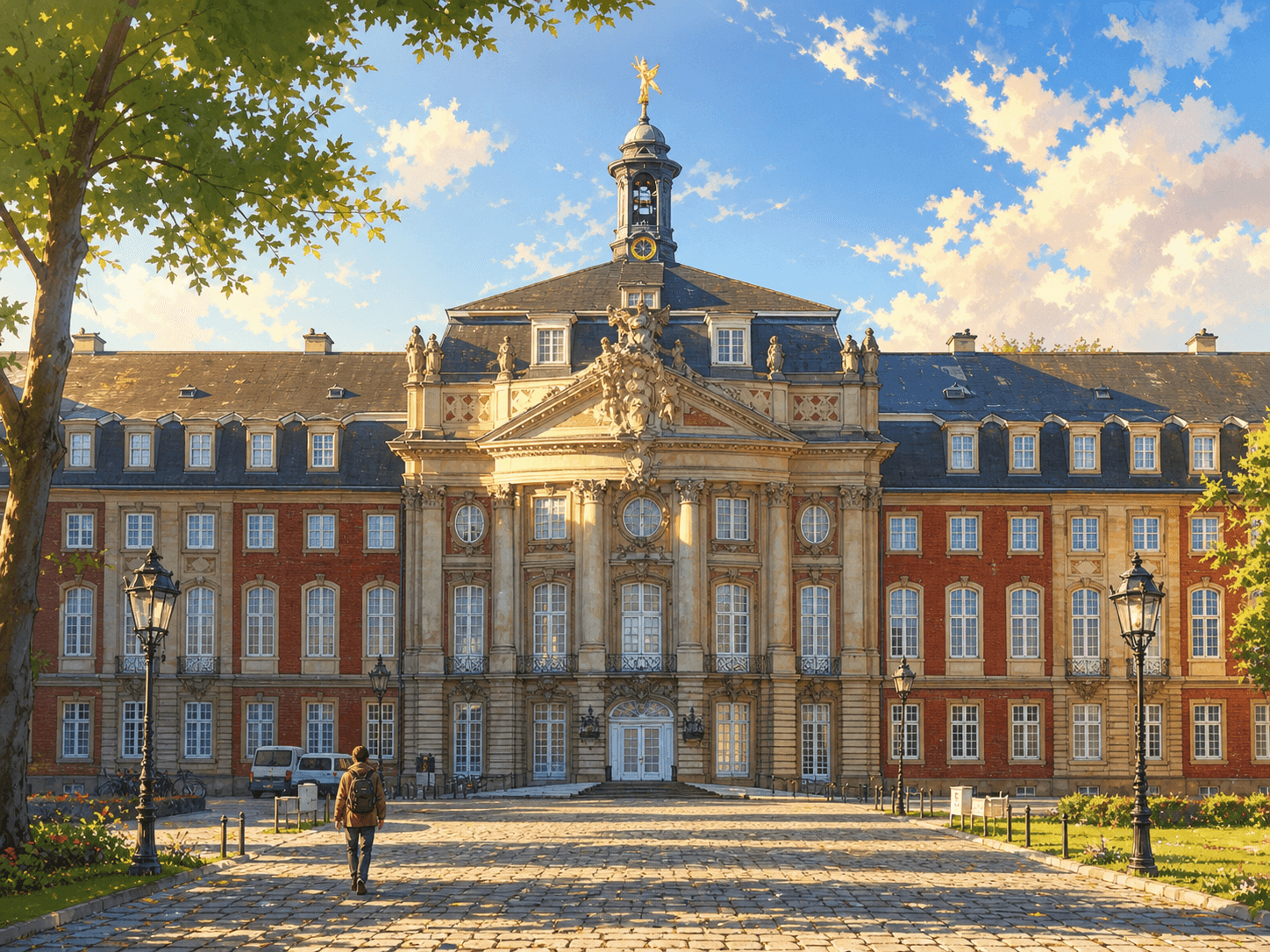
In 2026, Münster is focusing more strongly on the expansion of digital infrastructure. The emphasis is on fiber-optic connections in underserved areas and the coordination of mobile network coverage. This monthly report highlights the progress made, the challenges faced, and the financial framework.
Broadband Expansion and Digital Infrastructure: Focus on Fiber Optics and Mobile Networks
In 2026, Münster is still on course to strengthen its digital infrastructure. The city has set itself the goal of ensuring almost complete coverage with high-performance fiber-optic connections (FTTH) by 2030. In April 2026, significant progress in implementation could already be recorded, although new challenges are also becoming apparent.
Progress in Fiber Optic Expansion
The city of Münster has taken significant steps in recent years to close the broadband gap. In April 2026, it became known that the project to cover "white spots" had been completed by 2025. In total, 2,200 addresses, mainly in peripheral areas, were connected to fiber-optic infrastructure.
85% of these addresses received a direct fiber-optic home connection (FTTH), while 15% were only connected up to the property boundary (homes passed). The funding was split as follows: 50% by the federal government, 40% by the state of North Rhine-Westphalia, and 10% by the city itself. The investment costs amounted to approximately 50 million euros.
A new project for so-called "gray spots" is in planning. 1,300 addresses have already been identified, and the contract has been awarded to epcan GmbH. The project, which started in spring 2026, is expected to be completed by early 2028. The city of Münster is covering 20% of the costs, which corresponds to about 12.2 million euros.
Coordination and Partnerships
The expansion of fiber-optic infrastructure is not only made possible by state funding, but also by close cooperation with private partners. Since the end of 2021, Münster Stadtwerke and Deutsche Telekom have built their own economic fiber-optic network. The goal is to connect approximately 160,000 residential units with fiber optics by 2030. The network is operated on an open-access model, allowing other providers to also have access.
In addition, OXG Glasfaser GmbH plans to economically connect more than 41,800 households in Münster with fiber optics. The project is also designed according to the open-access model and is free of charge for property owners and residents.
Mobile Network Coordination and Challenges
In addition to broadband coverage, mobile network coordination is also a central topic. The city of Münster has concluded a framework agreement with Deutsche Funkturm GmbH (DFMG), which regulates the use of municipal property for mobile network sites. The goal is to ensure the availability of powerful mobile networks and to accelerate the expansion.
The current mobile network coverage in Münster is largely good. According to 2025 data, the area coverage in the 2G range was 100%, in the 4G range 99.77%, and in the 5G range (non-standalone and standalone) each at 99.98%. However, there are still challenges, particularly in historically protected old town areas and in conflicts with photovoltaic obligations on municipal buildings.
Funding and IT Cost Development
The financial situation of the city of Münster and its subsidiary citeq is addressed in the current economic plan for 2026. Citeq, which is responsible for the city's IT services, plans a projected deficit of -1,675,220 euros. The costs for IT services are rising due to price increases for hardware and software, rising personnel costs, and increased IT security efforts.
Despite the rising costs, Münster is below average in inter-municipal comparisons. Citeq is planning measures for cost optimization, such as license management and the implementation of IT functions to support processes. In addition, a migration to modern IT systems such as SAP S/4HANA and Microsoft 365 is being planned.
Outlook
Münster has reached important milestones in digitization in 2026. The city is on its way to achieving its goals in the areas of broadband and mobile network coverage by 2030. At the same time, it becomes clear that financing and coordination continue to present challenges. In the coming months, it will be particularly important to intensify cooperation with partners and to closely monitor cost development.
NeoSearch analyses public council documents, committee minutes and municipal announcements. Source references appear automatically once verified meeting data is available.
What does this mean for businesses?
Municipal council decisions are early indicators: following the council agenda surfaces projects and tenders months before the official award — before they ever reach the procurement portals.
Track similar decisions in your region
Set up monitoring for Energy and Utilities in Nordrhein-Westfalen — prefilled from this article.
Set up monitoring →More signals from Munster
Culture and Community in Münster: Theater and Historical Preservation in Focus
In April 2026, important decisions and developments in the field of culture and community were at the center of attention in Münster. The Cultural Committee intensely addressed the future of Theater Münster and the expansion of the expert advisory board for the historical site Villa ten Hompel.
Read more → Münster's Youth Policy in April 2026: Leisure Spots, Demonstrations, and Future Visions
In April 2026, youth policy topics such as leisure meeting points, demonstrations, and collaborations with political parties were at the center of the Youth Council's focus in Münster. This deep dive reveals which decisions were made and what challenges remain.
Read more → Münster Invests in Resuscitation and Care: Where State, Technology, and Society Must Collaborate
In April 2026, Münster will discuss key measures to strengthen the resuscitation chain and care provision. The goal is to increase survival rates in cases of cardiac arrest while securing the care infrastructure for the future.
Read more →