Urban Development in Mülheim 2026: Planning, Construction, and Climate Protection in Focus
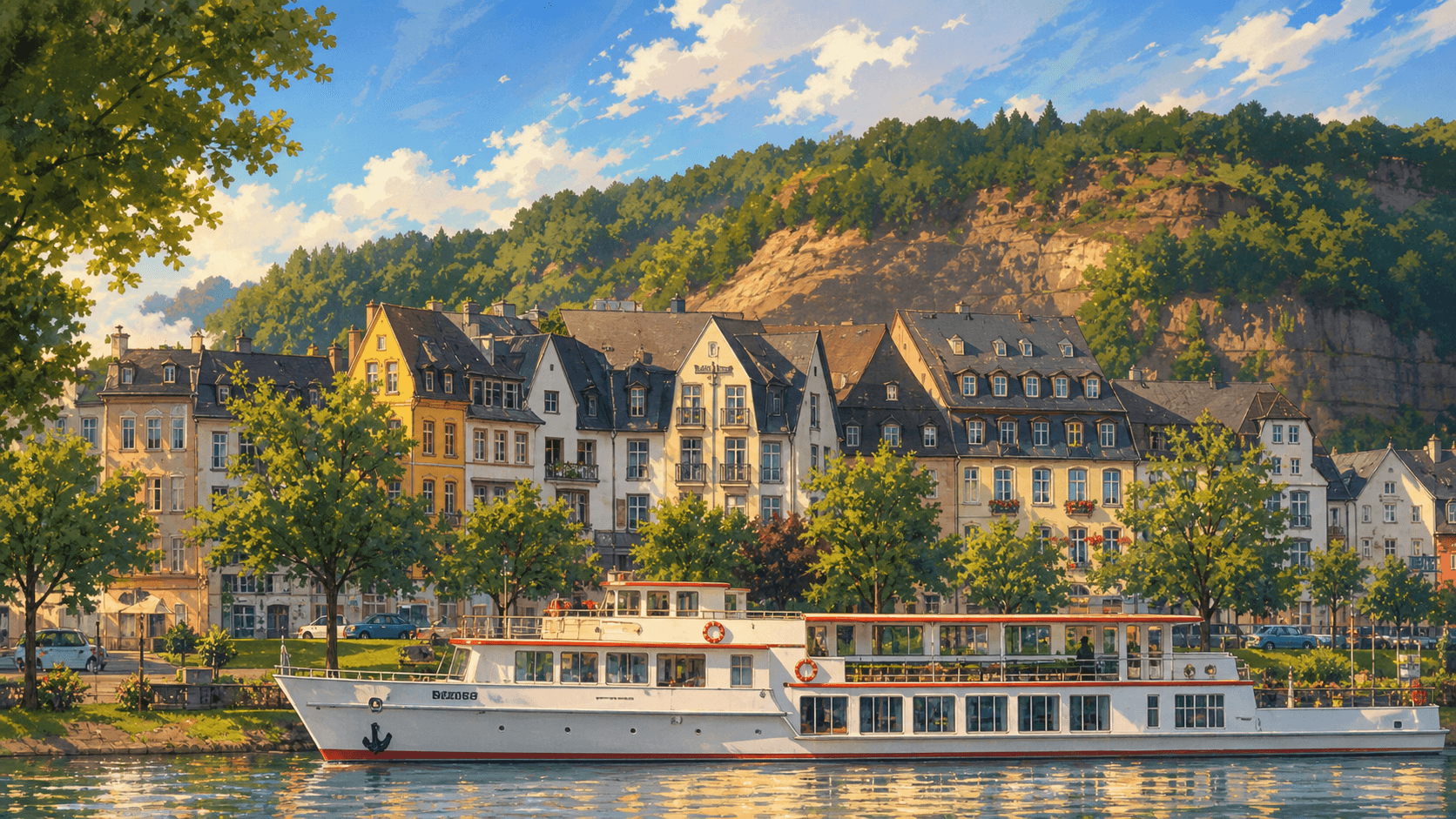
In April 2026, Mülheim an der Ruhr took decisive steps in urban development, housing planning, and energy policy. This in-depth blog analyzes the most important developments in land-use planning, heritage preservation, housing policy, and the transition to sustainable heating.
Urban Development and Construction Planning: How Mülheim Shapes the Future
Mülheim an der Ruhr was active in several central areas of urban development during the week of April 2026. Urban development and construction planning were in the foreground, particularly through discussions on land-use plans, housing promotion, heritage conservation, and the preparation for the transition to sustainable heating. These topics form the foundation for the city’s future development, its infrastructure, and climate protection.
Land-Use Planning and Preservation Orders: From the Coal Train Station to Felsenstraße
In April 2026, the city passed several important land-use plans and preservation orders that will shape the development of specific districts.
In the area of the former coal train station and Mellinghofer Straße (B 7), a land-use planning procedure was initiated, which includes, among other things, an improvement of pedestrian and cycling connections and public transport accessibility. The "Metrostich" underground tunnel project was abandoned due to a lack of cost efficiency. Instead, existing traffic routes will be optimized.
Another project involves the Felsenstraße (Y 16), where a preservation order was issued. The aim is to protect the villa ensemble in this area in the long term. It is also being examined whether a preservation regulation under § 172 BauGB can be established. The preservation order will come into effect on December 22, 2025.
These measures show that Mülheim is not only focusing on growth, but also on the quality and preservation of its urban structures.
Housing Policy and the "Construction Acceleration": Opportunities and Risks
The discussion around the "Construction Acceleration" under § 36a BauGB remains a controversial topic in Mülheim. Although the instrument could be used to accelerate construction processes, there are concerns about uncontrolled planning that might not meet social and ecological requirements.
In the April session, the city decided that future approval for the "Construction Acceleration" will be subject to public consultation by the local community. This should increase transparency, but also increase administrative effort.
A concrete project discussed in April was the approval of the use of Glückaufstraße (municipal area Selbeck) for residential construction. A waiver from land-use plan regulations was granted, as the area is currently designated as a commercial zone. The administration recommended approval, as the project is considered urbanistically sensible and legally permissible.
Heritage Conservation and Urban Image: Challenges and Solutions
Heritage conservation and the preservation of the urban image remain a central aspect of urban development in Mülheim. Several decisions were made in the April session that will influence the future of heritage conservation.
A building was classified as Category 3 (worth preserving, not a building monument). Although a negative certificate was submitted by the State Office for Monument Protection, the municipality now has jurisdiction following the legal change in 2022. In such cases, a dissent decision is possible if there is a legitimate interest in preservation.
In addition, four lay citizens were appointed to the heritage conservation committee: Andreas Schmelzer (CDU), Klaus Ruppin (SPD), Wilhelm Steitz (Greens), and Ingo Häfner (Left Party). The AfD and FDP/BAMH will each appoint one person. These experts will participate in future decisions on heritage conservation.
Transition to Clean Heating and Climate Neutrality: Mülheim on the Road to the Future
The transition to clean heating is a central topic in Mülheim's energy policy. In the April session, a transformation plan for the "Innenstadt" heating network was presented, which is to be implemented by 2045. The goal is to convert all heating networks to climate-neutral systems.
The city has also passed a Heating Planning Act (WPG) in accordance with the requirements of the federal government and the state of North Rhine-Westphalia. Under § 32 WPG, transformation plans must be completed by the end of 2026. Mülheim is pursuing a strategic approach that focuses on the use of renewable heat sources such as geothermal energy, river water heating, and waste heat.
Another key focus is the integration of the heating transition into urban infrastructure planning. To this end, a fixed coordination body has been established, which will work with the responsible departments and coordination offices. A central GIS platform is also planned to consolidate heating planning data.
Conclusion: Mülheim as a City of the Future
Mülheim an der Ruhr is moving consistently toward a sustainable, climate-friendly, and future-oriented urban development in the week of April 2026. The discussions on land-use plans, housing promotion, and the heating transition show that the city is not only focusing on growth, but also on quality, preservation, and social responsibility.
The challenges are great – from balancing construction planning and heritage conservation to transforming the heating supply. However, Mülheim has laid the foundations to meet these challenges with clear strategies, transparent processes, and broad participation from citizens and experts.
In the coming months, it will be fascinating to observe how the approved measures are implemented in practice – and whether Mülheim can establish itself as a model for other cities in the region.
NeoSearch analyses public council documents, committee minutes and municipal announcements. Source references appear automatically once verified meeting data is available.
What does this mean for businesses?
Municipal council decisions are early indicators: following the council agenda surfaces projects and tenders months before the official award — before they ever reach the procurement portals.
Track similar decisions in your region
Set up monitoring for Energy and Utilities in Nordrhein-Westfalen — prefilled from this article.
Set up monitoring →More signals from Muelheim
Mülheim 2026: Governance Developments and the New Identity of the Committee for Equal Opportunities and Integration
In April 2026, Mülheim engaged intensively in the further development of its governance structure. The Committee for Equal Opportunities and Integration (ACI) faced new challenges – from revising subsidy guidelines to developing a set of rules of procedure. The focus was on equal opportunities, integration, and the strengthening of democratic values.
Read more → Mülheim's Mobility in Focus: Road Safety, Charging Infrastructure, and Climate Adaptation
In April 2026, the city of Mülheim an der Ruhr focused on various measures in the field of transport and mobility. Alongside road safety and the development of charging infrastructure for electric vehicles, topics such as climate adaptation and stormwater management were also advanced. This blog report highlights the key developments and their significance for the city.
Read more → Mülheim's Financial Policy in April 2026: Fee Adjustments, Staff Development, and Budget Planning
In April 2026, several significant decisions in the area of financial and budget policy were made in Mülheim an der Ruhr. The focus was on administrative fees, staff development, and the preliminary planning for the double-year budget 2026/2027.
Read more →