Citizen Participation in Moers – How Participation Becomes a Shaping Force
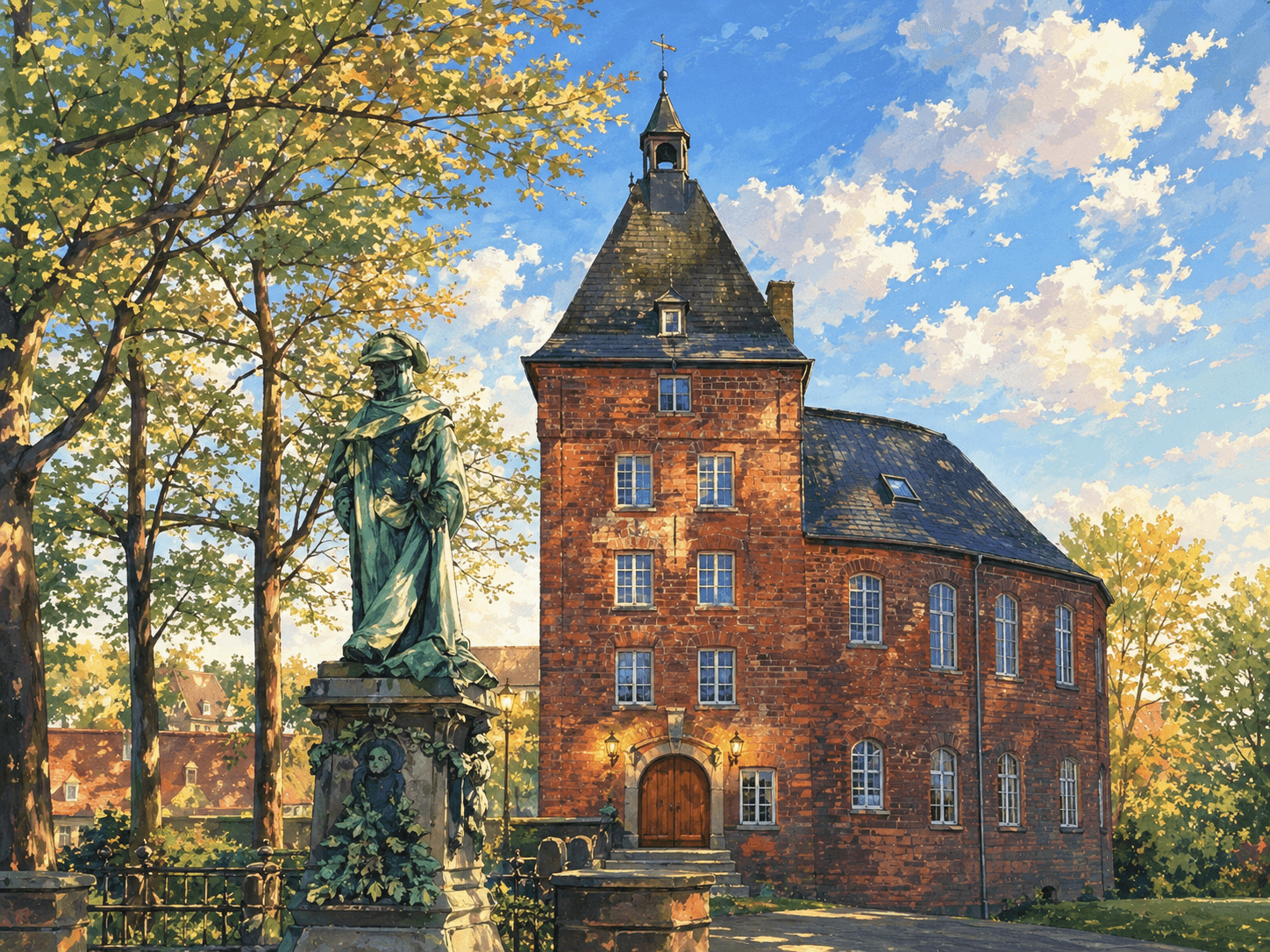
In Moers, citizen participation is being reimagined – through pilot projects, participation portals, and MitMach-Coaches. An overview of the initiatives in March 2026.
Citizen Participation in Moers – How Participation Becomes a Shaping Force
In March 2026, the city of Moers took a decisive step towards a new form of participation practice. Through a wide range of initiatives, projects, and reform proposals, the city is striving to integrate citizens not only as spectators but as active participants in municipal politics. At the same time, Moers continues to maintain a strong focus on culture and community, reflected in events, exhibitions, and the development of democratic structures.
Citizen Participation as a Democratic Instrument
In Moers, citizen participation is not only seen as a means of forming opinions but as a central democratic instrument. The goal is to strengthen social proximity to citizens and create acceptance for municipal projects. The city follows an inclusive approach: every age group and every population group should be included in the process – on equal terms.
A central instrument is the Citizens' Council "Shaping Participation Together", which is currently in its evaluation phase in March 2026. With 46 participants selected from 1,500 randomly chosen applicants, a broad cross-sectional representation of the population has been established. The evaluation by the nexus Institute and the Bergische University of Wuppertal has shown that participation not only creates satisfaction but also has political impact – at least in initial stages.
Participation Strategy – From MiMaCo’s to BePo
The city of Moers has developed a comprehensive participation strategy, structurally supported by several innovative instruments:
MitMach-Coaches (MiMaCo’s): Voluntary citizens who actively engage other residents are attached to the Office for Democracy. They are to act as process facilitators, information providers, or activists. The funding comes from the federal program "Living Democracy." Legal framework conditions still need to be clarified.
Participation Portal (BePo): A digital portal that is to serve as a central point of contact for participation. It offers functions such as event overview, thematic search, and graphical map representation. In cooperation with the school, even a mascot for the portal is being developed.
Youth Participation through the Future Budget: A pilot project is to promote youth participation. The Future Budget with a budget of 200,000 euros is to be implemented in schools, with an election system that is possible from the 4th grade. The model is the Future Budget from Werder (Havel).
Citizen Budget and Interest Groups: The city plans to introduce a citizen budget and support interest groups. A new association, "We for Moers – We for Us," is already in the process of establishing itself as a central actor.
Culture as a Link – From Exhibitions to Festivals
In addition to structural reforms in the area of citizen participation, Moers continues to offer a strong cultural program. The Grafschafter Museum remains a central institution that deals with both regional history and current societal and political issues. The exhibition on Hanns Kralik, the communist and resistance fighter, is an example of politically engaged cultural work.
In March 2026, large cultural events were also in focus: the moers festival returned to the city and the park with the motto "Like in a Fairy Tale." In addition, the Day of Printmaking took place at the Grafschafter Museum – with free admission and workshops for children and adults. These events show that culture in Moers not only serves as entertainment but also as a central part of democratic participation and educational work.
What Remains – and What Comes Next?
The participation strategy of Moers is a long process that must be not only structurally but also culturally anchored. The city has already shown great courage here – with pilot projects, new forms of participation, and a clear message: Citizens are not only users of the city but also its designers.
What remains is the question of whether these participation initiatives can be firmly anchored in the long term – and whether they are not only perceived as "token events." The evaluation of the citizens' council has shown that many participants feel taken seriously, but skepticism also exists. Politics must now follow up – with transparency, sustainability, and above all: with results.
Moers shows with these initiatives that citizen participation is not only possible – it can also become a shaping force. And this is not only important for Moers – it is a model for other cities that are setting out to rethink democracy.
NeoSearch analyses public council documents, committee minutes and municipal announcements. Source references appear automatically once verified meeting data is available.
What does this mean for businesses?
Municipal council decisions are early indicators: following the council agenda surfaces projects and tenders months before the official award — before they ever reach the procurement portals.
Track similar decisions in your region
Set up monitoring for Culture and Community in Nordrhein-Westfalen — prefilled from this article.
Set up monitoring →More signals from Moers
Moers: Urban Development and Construction Planning in April 2026 – Highlights and Challenges
In the April 2026 session, urban development, traffic, and infrastructure were at the center of attention in Moers. With plans for new workshops, traffic improvements, and sewer construction, the city is investing in long-term projects – yet not all initiatives received approval.
Read more → Moers April 2026 – Traffic, Budget and Planning in the Spotlight
In April 2026, Moers focused on decisions related to traffic, budget and urban planning. Here is a compact monthly review.
Read more → Governance in Moers: Transparent Access to Council Information
In the week of April 2026, the focus in Moers was on the digital transparency of the municipal administration. A new council information system promises greater accessibility for citizens, politicians, and administration. But how far has the implementation progressed, and what challenges remain?
Read more →