Housing Policy and Social Space Development in Hagen – Between Demand, Accessibility, and Demographic Change
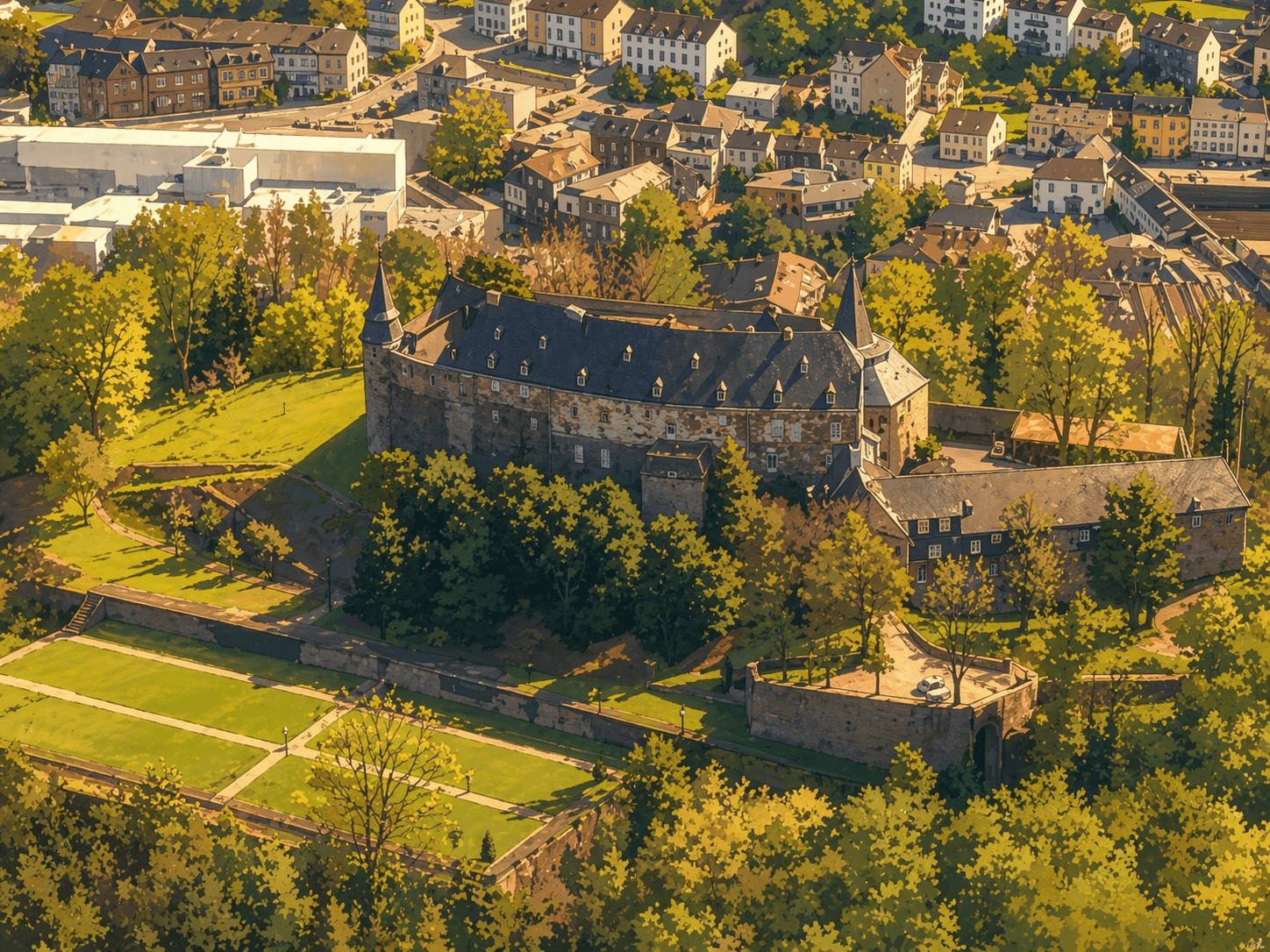
In February 2026, Hagen focused on important decisions and developments in the field of social and housing policy. The Committee for Social Affairs, Integration, and Demographics, as well as other sessions, showed how the city is addressing growing challenges due to demographic change, accessibility, and housing shortages.
Social Space Development and Housing Policy: Challenges in the Context of Demographic Change
The city of Hagen is in a phase of intense planning and adaptation to a changing demographic landscape. In February 2026, several decisions were made that affect both social and housing policy aspects. Central to these discussions were the security of care provision, inclusion, accessibility, and the development of social space concepts.
Care Demand Planning and Care Structure
In December 2024, the city of Hagen adopted a binding care demand plan that will be updated until 2028. The goal is to cover the demand for full-time care places by 2028 at a total of 2,325. The current number is 2,211 care places across 24 facilities, with an occupancy rate of 92.84 %.
The care coverage rate for people over 80 years old is 16.7–17.1 %, with particularly low figures in districts such as Hohenlimburg and Hagen-North. As a result, the city has decided not to support the construction of any new full-time care facilities, but rather to optimize existing structures. At the same time, there are waiting lists in 16 facilities, indicating bottlenecks in the care system.
Accessibility and Inclusion in Urban Development
Another focus was on accessibility, especially in public spaces and municipal services. For example, the Advisory Board for People with Disabilities called for leisure areas such as Ischeland to be made accessible. In addition, bus stops in several districts are to be redesigned to be barrier-free by 2027.
Recommendations were also made for the election organization: voting offices should be equipped with ramps, and the link to the voting station finder should be printed on election notices. These measures show that Hagen is actively addressing the requirements of an inclusive society.
Housing Policy and Rent Index
In housing policy, the new rent index was the focal point. For the first time in several years, an updated rent index was presented, intended to serve as a tool for tenants and landlords. However, the application of the rent index values to the cost of accommodation is still under review.
In addition, a proposal for social space development was submitted within the framework of the action strategy "Problem Properties." The SPD faction is pushing for disadvantaged districts to be supported through targeted measures. A proposal for mobile digital support was also submitted to assist people with digital disadvantages.
Inclusive Youth Support and Procedure Guide
Another central topic was support for young people with disabilities. Since April 2024, a procedure guide has been active to support applicants and affected individuals. The procedure guide assists with the application process and the receipt of benefits in accordance with §10b of the Social Code, Book Eight (SGB VIII).
Statistics show that between April 2024 and July 2025, a total of 122 consultations took place, with 45.9 % of the inquiries coming from the city district of Mitte. The target group includes children, young people, and young adults up to the age of 26. Particularly frequent concerns relate to the approval process (40.2 %) and information searches (13.9 %).
The procedure guide works closely with regional and municipal partners such as the LWL, the Youth Welfare Office, and various providers of support for people with disabilities. At the same time, the guide receives support through certified training courses to ensure the quality of the support provided.
Outlook: Inclusion, Demographics, and Social Justice
The February meetings show that Hagen is actively responding to the challenges posed by demographic change. Ensuring care provision, promoting accessibility and inclusion, and developing a socially just housing policy are central topics. At the same time, the shortage of skilled workers in the care sector and the under-supply in certain districts remain problems that need to be continuously monitored and addressed in the coming years.
In the next few months, it will be crucial to see whether the adopted measures can be implemented in practice and whether the cooperation between the administration, providers, and civil society can be consistently continued. The city of Hagen has set a clear course with these decisions – now it is a matter of consistently following that course.
NeoSearch analyses public council documents, committee minutes and municipal announcements. Source references appear automatically once verified meeting data is available.
What does this mean for businesses?
Municipal council decisions are early indicators: following the council agenda surfaces projects and tenders months before the official award — before they ever reach the procurement portals.
Track similar decisions in your region
Set up monitoring for kommunale Projekte in Nordrhein-Westfalen — prefilled from this article.
Set up monitoring →More signals from Hagen
Economic Development in Hagen: Challenges and Opportunities in April 2026
In April 2026, several key initiatives in the field of economic development were in focus in Hagen. With the new construction of Max Fry, the training offensive, and the revitalization of the city center, the city is demonstrating ambitions to ensure growth and stability. This blog post highlights the central developments and their long-term effects.
Read more → Social and Housing Policy in Hagen – Between Budget Consolidation and Social Inclusion
In April 2026, important decisions in the field of social and housing policy were made in Hagen. The city is planning investments in social infrastructure, increasing budget expenditures for social services, and discussing digital inclusion and accessibility. This analysis shows how Hagen balances financial necessity with social responsibility.
Read more → Youth Policy in Hagen: Challenges, Progress, and Future Visions
In April 2026, Hagen focused on a range of youth policy topics – from promoting mental health and investing in daycare centers to youth support and participation. The city of Hagen is pursuing long-term youth development through new construction projects, structural reforms, and funding measures. This blog article analyzes the most important decisions and developments of the month.
Read more →