Youth Policy in Hagen: Challenges, Progress, and Future Visions
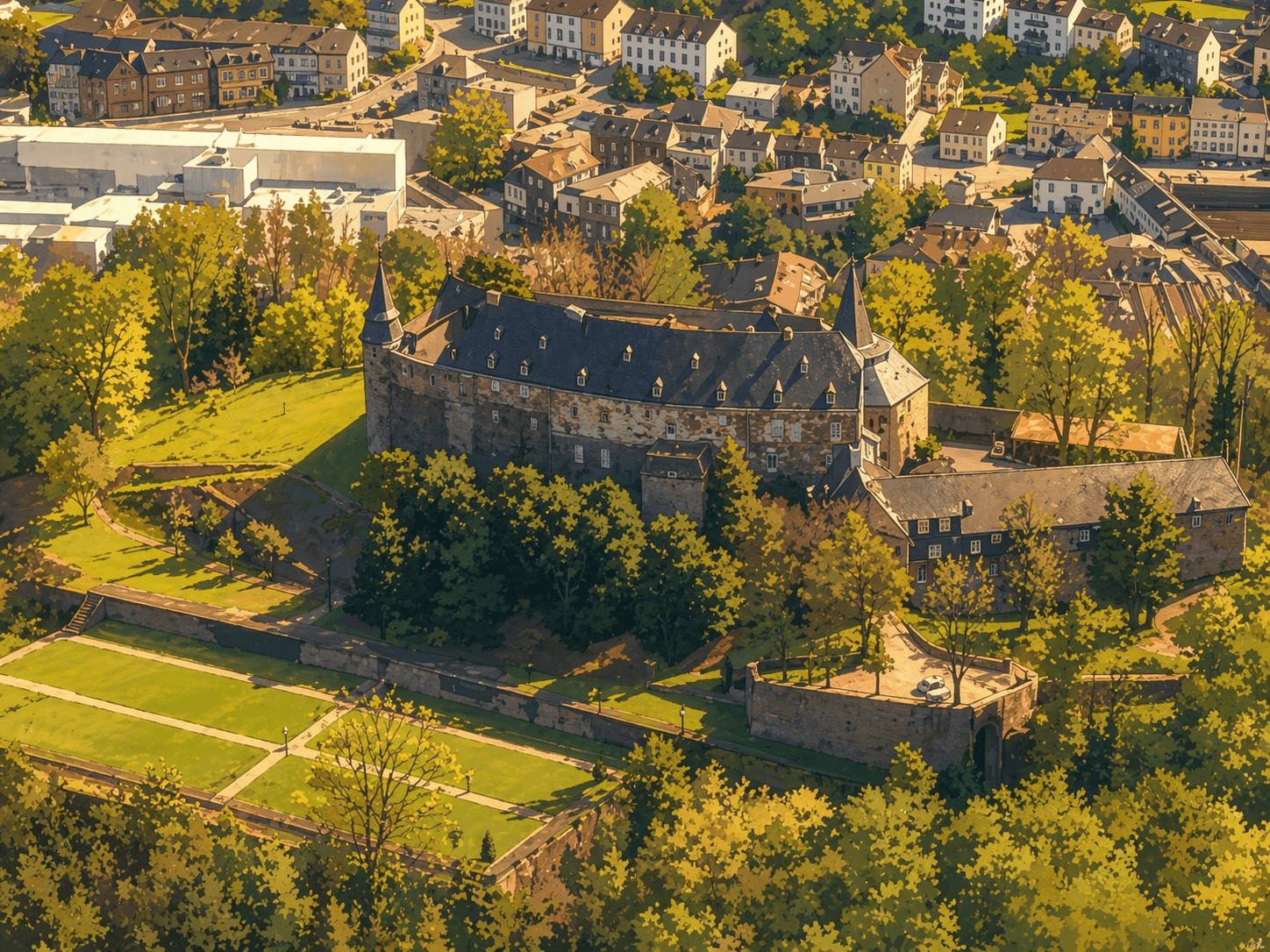
In April 2026, Hagen focused on a range of youth policy topics – from promoting mental health and investing in daycare centers to youth support and participation. The city of Hagen is pursuing long-term youth development through new construction projects, structural reforms, and funding measures. This blog article analyzes the most important decisions and developments of the month.
Youth Policy in Hagen: Challenges, Progress, and Future Visions
The city of Hagen has established itself in recent years as a particularly youth-friendly municipality. In April 2026, this was once again evident in a variety of decisions that influence the future of child and youth work, the development of care infrastructure, and the funding of youth programs. The focus was on three central topics: mental health, childcare, and youth support.
1. Mental Health: Expanding Care Services
Mental health in children and young people is a central issue in youth policy. Hagen is actively investing in this area. For example, the city has received 200,000 euros in funding for the establishment of a new Child and Youth Psychiatric Social Services Unit. This expansion is part of a state initiative aiming to significantly expand inpatient and outpatient care – with the goal of enabling more children and young people to access psychiatric care.
In addition to inpatient services, Hagen is also focusing on outpatient offerings. The Ministry for Labour, Health, and Social Affairs (MAGS) has urged the city to strengthen outpatient psychotherapy for children and young people. In this context, 13 additional therapy spaces for child therapists have already been created. At the same time, in North Rhine-Westphalia, a law is being discussed to legally establish Community Psychiatric Partnerships (GPV), which aim to strengthen the coordination of regional services.
2. Childcare: New Construction and Expansion
In the field of childcare, Hagen is investing in physical infrastructure. Several new construction and renovation projects at childcare facilities are in planning or already underway. These include the Kita Jungfernbruch II, which will provide space for 75 children (including 22 under the age of three), and the new building at Prentzelstraße 6, with total costs exceeding 10 million euros.
Hagen has also set a clear goal: the inclusive orientation of childcare centers. New facilities are designed to be barrier-free and offer space for children with disabilities. At the same time, language support programs are being expanded – for instance, by extending the funding for plusKITAs, where staff require additional qualifications in the field of language education.
Another central project is the new building of the Friedrich-Harkort School, which was decided due to the unavailability of the existing building. The school will remain operational during the construction phase, demonstrating that Hagen also prioritizes continuity in the education sector even during major construction projects.
3. Youth Support: Funding, Participation, and Structural Development
Youth support in Hagen is characterized by a strong network of municipal institutions, independent providers, and youth organizations. In April 2026, funding issues were particularly prominent. The city's fifth Children and Youth Support Plan is valid for the period 2026–2030 and includes a funding increase of about one million euros. However, the Youth Welfare Committee had to accept cuts in some areas due to budget constraints – for instance in the areas of language support, substance abuse counseling, and youth cafés.
Hagen's youth centers and programs are diverse: from the Youth Café Real to the Youth Culture Center Kultopia and the Youth Art School "Kunst vor Ort". These institutions offer not only leisure activities but also political education, media education, and resilience training. For example, it was decided in April 2026 to secure funding for the Youth Lounge Mitte, even after state funding ends.
Another important topic was youth participation. According to surveys, young people demand more say in schools, youth centers, and public spaces. Hagen is striving to respond to these demands – for example, by establishing the Youth Lounge Mitte, which serves as a networking hub for youth support, youth counseling, and school social work. In addition, it was decided to plan a new youth support facility in the social area of Zentrum/Remberg.
Outlook: Hagen as a Model for Youth-Friendly Policy
The decisions of April 2026 show that Hagen has a clear vision for the future of youth policy. By investing in mental health, childcare, and youth support, the city is pursuing long-term, inclusive, and participatory youth policy. At the same time, Hagen remains sensitive to funding issues, not least to avoid cuts in important areas.
The challenges remain significant: The demand for childcare is increasing, funding shortages persist, and social inequalities remain a topic. However, Hagen proves with concrete measures that a youth-friendly city is possible even in financially uncertain times.
NeoSearch analyses public council documents, committee minutes and municipal announcements. Source references appear automatically once verified meeting data is available.
What does this mean for businesses?
Schools, daycare centres and public buildings create early planning and construction opportunities. Following council agendas surfaces tenders for refurbishment, new builds and fit-out months before the official award — from shell construction to specialist planning to furnishing.
Track similar decisions in your region
Set up monitoring for education & public facilities in Nordrhein-Westfalen — prefilled from this article.
Set up monitoring →More signals from Hagen
Economic Development in Hagen: Challenges and Opportunities in April 2026
In April 2026, several key initiatives in the field of economic development were in focus in Hagen. With the new construction of Max Fry, the training offensive, and the revitalization of the city center, the city is demonstrating ambitions to ensure growth and stability. This blog post highlights the central developments and their long-term effects.
Read more → Social and Housing Policy in Hagen – Between Budget Consolidation and Social Inclusion
In April 2026, important decisions in the field of social and housing policy were made in Hagen. The city is planning investments in social infrastructure, increasing budget expenditures for social services, and discussing digital inclusion and accessibility. This analysis shows how Hagen balances financial necessity with social responsibility.
Read more → Governance and Administration in Hagen – April 2026: Transparency, Equality and Budget Consolidation
In Hagen, April 2026 demonstrated how governance and administration in a city facing structural challenges such as debt and old liabilities can still make progress in transparency, equality and budgetary stability. This analysis highlights the key decisions, processes and socio-political debates of April 2026.
Read more →