Environmental and Climate Protection in Hagen: Fish Ladders, Wild Boars, and De-Sealing
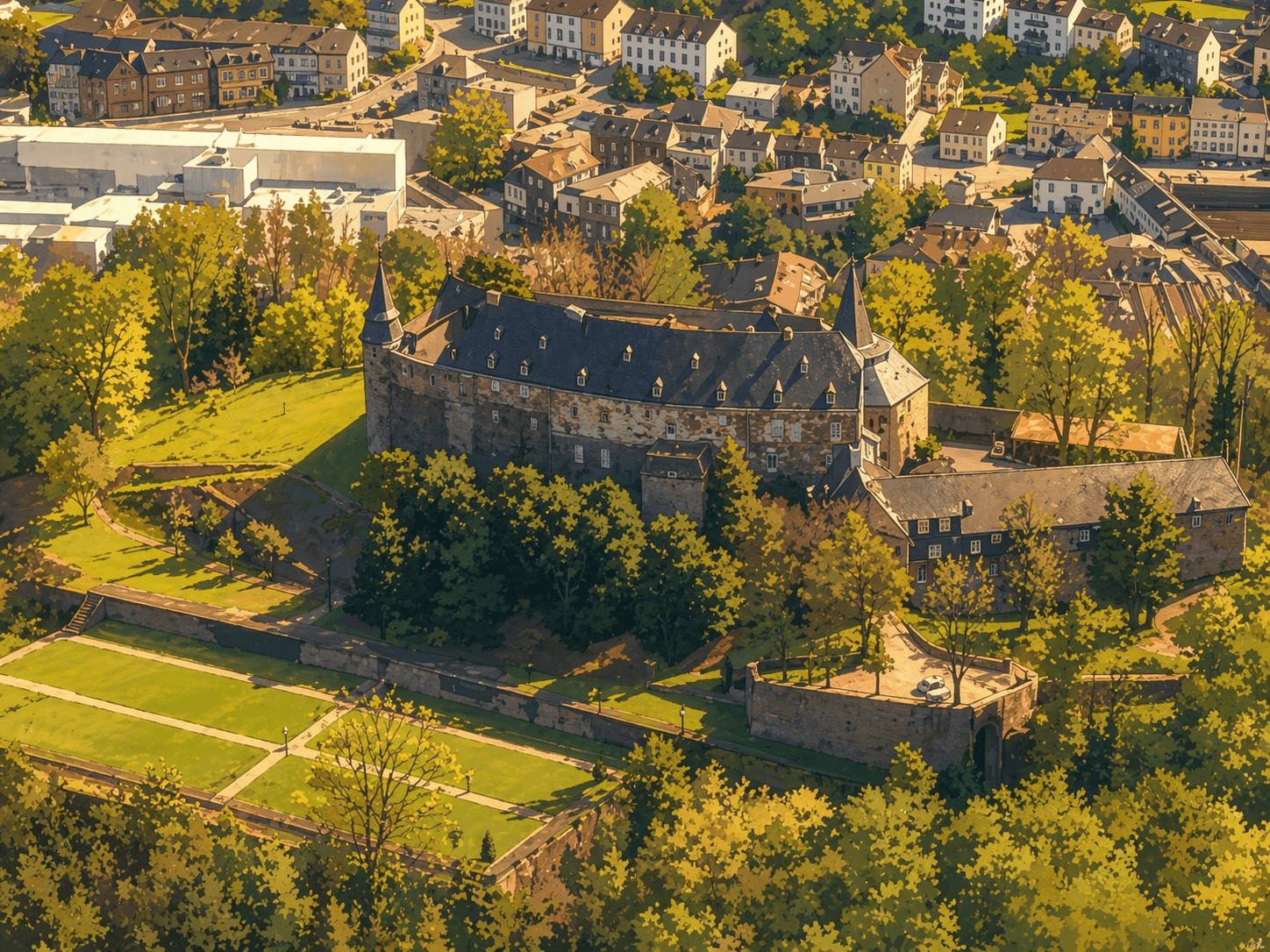
In April 2026, Hagen found itself at the center of a wide range of environmental and climate protection issues, from the renovation of a fish ladder on the Volme river to managing the growing wild boar population and participating in the nationwide "Abpflastern" de-sealing competition. This blog provides deep insight into the decision-making processes, backgrounds, and impacts of these measures.
Environmental and Climate Protection in Hagen: Fish Ladders, Wild Boars, and De-Sealing
In April 2026, the city of Hagen was actively addressing a variety of environmental and climate protection topics. From the renaturation of waterways to managing the wild boar population and promoting de-sealing measures, the political and administrative decisions reflect a clear focus on sustainable urban development and ecological responsibility.
Fish Ladders on the Volme: Renovation and Climate Protection
A central project in focus in April 2026 was the renovation of the fish ladder on the Volme near the Priorei hydroelectric power plant (WKA). Following the severe damage of the old fish ladder in 2021 due to a flood, a new construction was approved to enable fish to ascend the river again. The goal is to restore the waterway's connectivity, which aligns with the European Water Framework Directive (WRRL).
This measure is not only ecologically significant but also contributes to climate protection. By improving connectivity, the Volme's ecosystem can be strengthened, leading to better climate resilience in the long term. Additionally, the fish ladder will be equipped with safety measures such as debris deflectors to optimize its operation.
The approval process was accompanied by the Nature Conservation Advisory Board, which granted the planning permit under §68 of the Water Management Act (WHG). The IGW – Ingenieurgesellschaft für Wasserkraftanlagen mbH – was involved in the planning and ensured that the technical requirements of the DWA-M 509 standards were met.
The Wild Boar Population: A Challenge in the City
Another topic discussed in April was the development of the wild boar population in Hagen. The number of sightings and damage caused by wild boars has increased significantly, particularly in the districts of Helfe/Boele/Kabel and Haspe-Kipper. Mild winters, abundant food sources, and high reproduction rates contribute to the animals increasingly encroaching on urban areas.
The police documented a total of 916 incidents involving wild boars from January 2025 to March 2026. Although the exact population is not precisely known, within the hunting community it is assumed that the population is too high. The city has therefore called for concrete measures to reduce the wild boar population. The hunting authority and authorized hunting areas have already been tasked with culling, but long-term solutions are still under discussion.
Participation in the "Abpflastern" De-Sealing Competition
Another project taken up in April 2026 was Hagen's participation in the nationwide "Abpflastern" de-sealing competition. The goal of the competition is to de-seal urban areas and design them in a nature-friendly way. By reducing sealing, the natural infiltration of rainwater is promoted, which contributes to climate adaptation and reduces urban heat effects.
The city of Hagen has decided to actively engage the public and inform citizens about its participation in the competition. Low-threshold advisory services and information events are intended to help overcome technical and legal hurdles. The disposal of de-sealed material is carried out in cooperation with local partners. Although participation in the competition was rejected in a proposal, the city remains actively involved.
Species Protection Water Bodies: Investment in the Future
In addition, measures for the optimization and securing of species protection water bodies were decided. The project includes the renaturation of ponds in the areas of "Wasserschloss Werdringen," "Hexenteich," and "Ruhraue Syburg." The project is financed 90% by funds from the European Regional Development Fund (EFRE) and 10% by municipal replacement funds. The goal is to secure and optimize habitats for species dependent on standing water. These measures also contribute to improving water quality through the reduction of sediments.
Outlook: Sustainability as a Central Pillar of City Policy
The decisions and projects of April 2026 show that Hagen is actively committed to sustainable and climate-friendly urban development. Whether through the renovation of fish ladders, the management of the wild boar population, or the promotion of de-sealing measures, the city is implementing a variety of measures that are both ecologically and socially acceptable.
The challenges facing Hagen are complex. Nevertheless, there is a clear effort to develop long-term solutions that not only meet today's requirements but also provide future generations with a livable and sustainable space.
NeoSearch analyses public council documents, committee minutes and municipal announcements. Source references appear automatically once verified meeting data is available.
What does this mean for businesses?
Municipal heat planning, photovoltaics and climate measures create early project indicators. Following council decisions surfaces sites and tenders before they are publicly advertised.
Track similar decisions in your region
Set up monitoring for environment & climate in Nordrhein-Westfalen — prefilled from this article.
Set up monitoring →More signals from Hagen
Economic Development in Hagen: Challenges and Opportunities in April 2026
In April 2026, several key initiatives in the field of economic development were in focus in Hagen. With the new construction of Max Fry, the training offensive, and the revitalization of the city center, the city is demonstrating ambitions to ensure growth and stability. This blog post highlights the central developments and their long-term effects.
Read more → Social and Housing Policy in Hagen – Between Budget Consolidation and Social Inclusion
In April 2026, important decisions in the field of social and housing policy were made in Hagen. The city is planning investments in social infrastructure, increasing budget expenditures for social services, and discussing digital inclusion and accessibility. This analysis shows how Hagen balances financial necessity with social responsibility.
Read more → Youth Policy in Hagen: Challenges, Progress, and Future Visions
In April 2026, Hagen focused on a range of youth policy topics – from promoting mental health and investing in daycare centers to youth support and participation. The city of Hagen is pursuing long-term youth development through new construction projects, structural reforms, and funding measures. This blog article analyzes the most important decisions and developments of the month.
Read more →