Sports Policy in Hagen: Infrastructure, Funding, and Movement Initiatives in Focus
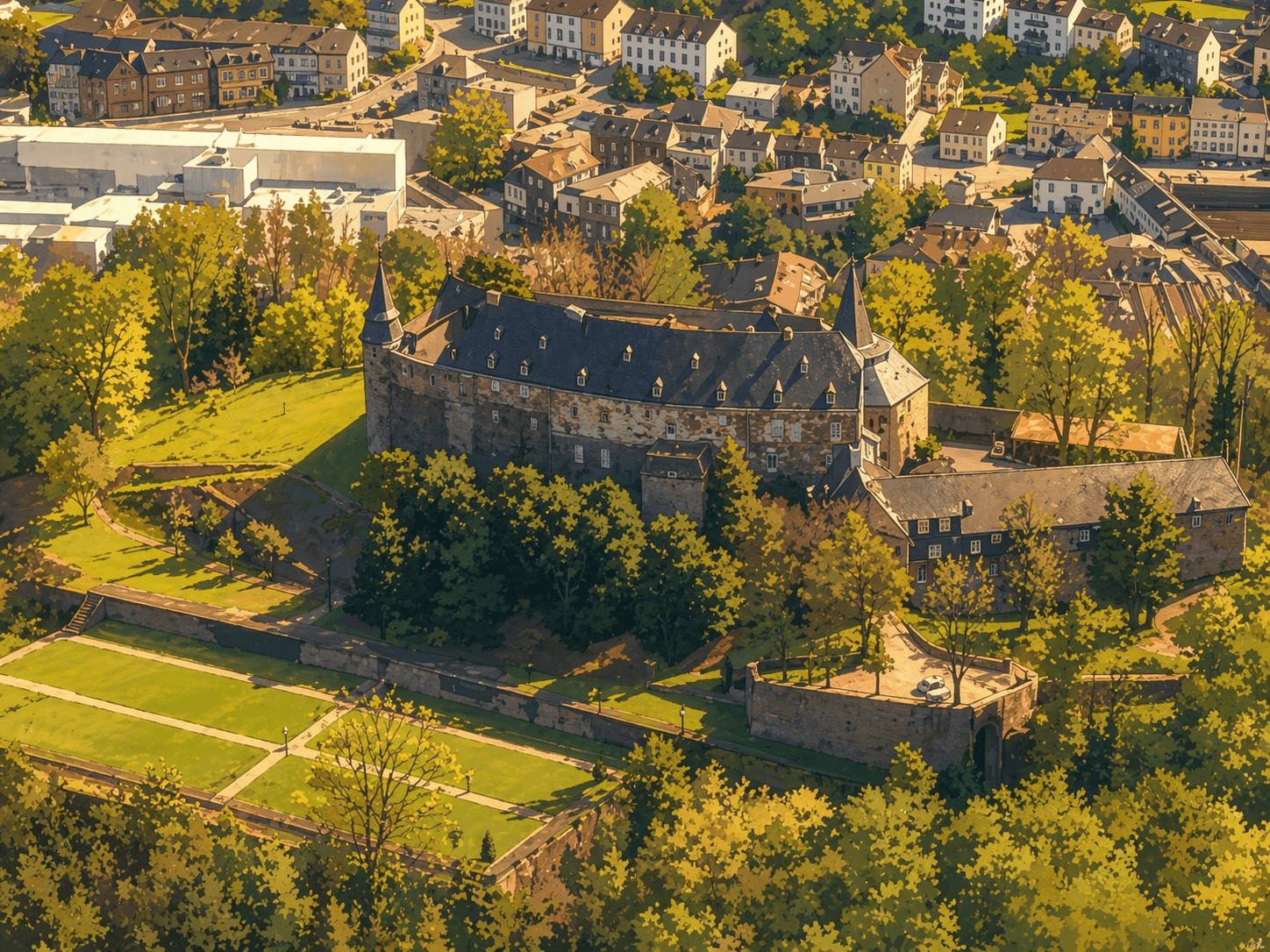
In February 2026, important decisions regarding sports were at the forefront in Hagen. From renovation projects to new prevention programs – the blog provides insight into the city's current sports policy.
Sports Policy in Hagen: Infrastructure, Funding, and Movement Initiatives in Focus
In the city of Hagen, sports play not only a cultural and social role, but also an economic and preventive one. In February 2026, the Sports Committee set new directions that will influence infrastructure, funding, and the promotion of physical activity. Against the background of limited municipal budgets and increasing demand for sports programs for all age groups, it becomes clear: Hagen is in transition toward a more sustainable sports policy.
Investments in Infrastructure
The renovation and modernization of sports facilities have top priority in Hagen. A central project in February was the artificial turf construction at the Tennenplatz of BSA-Haspe, which started in March 2026 and is expected to be completed in July. The new pitch will not only benefit the club, but also local youth and community sports groups.
At the same time, the roof of the Elseyer Turnverein was in focus. With estimated renovation costs of 203,306 euros, the club relies on external funding. However, it received no support from federal or state programs. Instead, it is relying on the city's funding program, which provides up to 15,000 euros for clubs. This illustrates how much the city of Hagen is dependent on limited resources to maintain its sports facilities.
Another project is the conversion of the Öwen-Witt-Halle to adjustable basketball hoops, in compliance with the requirements of the German Basketball Association (DBB). With costs of around 4,600 euros and no possibility of funding from the sports lump sum, it becomes clear: The city's financial situation is strained.
Funding and Support Programs: Opportunities and Limitations
The federal government has created an important instrument with the "Renovation of Municipal Sports Facilities" program. With 7.5 billion euros and 3,600 applications, the opportunities are limited, but Hagen has submitted four applications. Decisions are expected after the Easter break. Another program with 250 million euros for swimming pools could enable further investments.
At the state level, the state program with 600 million euros for the renovation of sports facilities offers a ray of hope. However, the concrete distribution remains unclear. In addition, the city of Hagen uses its own funding program with a funding pool of 75,000 euros to support investments in club-owned facilities.
Despite these initiatives, funding remains a central issue. Many projects depend on support that is not guaranteed. In addition, the sports lump sum, which could be used for smaller projects, is not being fully utilized.
Promoting Movement and Prevention: The "Platzwechsel" Approach
One of the most important initiatives in February is the prevention project "Platzwechsel – Move Your Life", which takes place during the summer holidays of 2026. The goal is to strengthen the joy of movement among young and old. Activities such as yoga, judo, Nordic walking, or capoeira are offered in sports halls, parks, and sports fields. The project's organizational approach is particularly innovative: Through partnerships with clubs, health insurance companies, and the VHS, a diverse offer is created that not only promotes sport, but also health.
The marketing strategy focuses on social media (Facebook, Instagram) and a dedicated website (www.platzwechsel.jetzt) to reach as many people as possible. In addition, the project is free of charge – a decisive factor in a city like Hagen, where financial barriers often prevent access to sports.
Use and Priority Regulations: The Challenges in Practice
The use of municipal sports facilities is strictly regulated in Hagen. School sports have priority over club sports, higher leagues over lower ones, and youth and senior groups over performance sports until 7:00 p.m. These regulations reflect the city's priorities, which focus primarily on inclusion and community sports.
Another central topic is the allocation system, which awards points to clubs for the use of halls and pitches. Youth teams, inter-district teams, and clubs that have co-funded artificial turf pitches receive bonus points. Negative points are given for withdrawn teams. This system attempts to ensure fairness and sustainability in the use of facilities.
At the same time, usage conditions are becoming stricter. Smoking, alcohol consumption, glass bottles, animals, and weapons are prohibited. Hygiene rules and safety regulations must be strictly observed. These regulations are necessary to ensure the safety and preservation of sports facilities, but they also present a challenge for clubs and event organizers.
Outlook: Sports Policy as a Future Task
Sports policy in Hagen faces a central challenge: How can the city maintain its sports facilities in the future and at the same time finance new projects? The answer lies in a combination of state funding programs, municipal initiatives, and close cooperation with clubs and partners.
The focus on promoting movement and prevention shows that Hagen is not only focusing on competition and performance, but also on health and inclusion. This is a positive signal, which is particularly important in times of increasing physical inactivity and health problems.
But infrastructure policy also needs further development. The renovation projects are necessary, but not sufficient. New sports facilities, more investments in clubs, and better funding of the sports lump sum are central issues that will be decisive in the coming years.
NeoSearch analyses public council documents, committee minutes and municipal announcements. Source references appear automatically once verified meeting data is available.
What does this mean for businesses?
Municipal council decisions are early indicators: following the council agenda surfaces projects and tenders months before the official award — before they ever reach the procurement portals.
Track similar decisions in your region
Set up monitoring for Culture and Community in Nordrhein-Westfalen — prefilled from this article.
Set up monitoring →More signals from Hagen
Economic Development in Hagen: Challenges and Opportunities in April 2026
In April 2026, several key initiatives in the field of economic development were in focus in Hagen. With the new construction of Max Fry, the training offensive, and the revitalization of the city center, the city is demonstrating ambitions to ensure growth and stability. This blog post highlights the central developments and their long-term effects.
Read more → Social and Housing Policy in Hagen – Between Budget Consolidation and Social Inclusion
In April 2026, important decisions in the field of social and housing policy were made in Hagen. The city is planning investments in social infrastructure, increasing budget expenditures for social services, and discussing digital inclusion and accessibility. This analysis shows how Hagen balances financial necessity with social responsibility.
Read more → Youth Policy in Hagen: Challenges, Progress, and Future Visions
In April 2026, Hagen focused on a range of youth policy topics – from promoting mental health and investing in daycare centers to youth support and participation. The city of Hagen is pursuing long-term youth development through new construction projects, structural reforms, and funding measures. This blog article analyzes the most important decisions and developments of the month.
Read more →