Education Policy in Hagen: Islamic Religious Education, First Aid Workshops, and Infrastructural Challenges
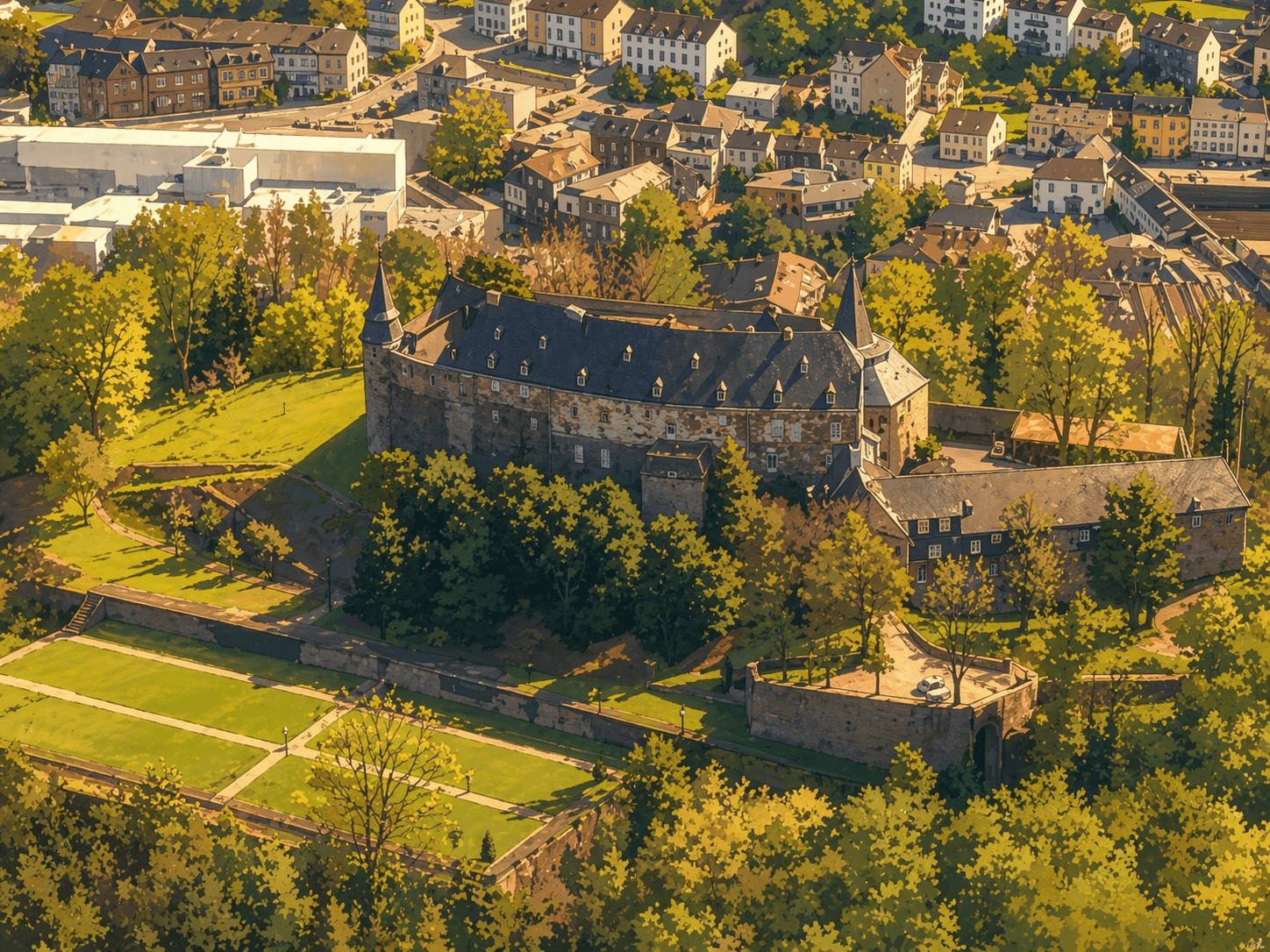
In February 2026, Hagen made important decisions in the field of education. Islamic Religious Education, new first-aid workshops at schools, and extensive construction projects at elementary schools shaped the discussions.
Education in Motion: Hagen's Educational Development Focus in February 2026
In February 2026, education policy in Hagen was shaped by three central themes: the introduction and evaluation of Islamic Religious Education (IRE), the implementation of first-aid workshops at schools, and the planning of extensive construction projects at elementary schools. These topics illustrate how the city is responding to growing social and infrastructural challenges while simultaneously developing new educational formats.
Islamic Religious Education: A Bridge Between Tradition and Modernity
Islamic Religious Education in Hagen is part of a state-wide program in North Rhine-Westphalia, available at around 247 of the state’s 5,400 schools. In Hagen itself, IRE is already being implemented at schools such as the Geschwister-Scholl-Hauptschule and the Sekundarschule Lieselotte-Funcke. A final report from the University of Münster shows that while IRE currently reaches only a small portion of the Muslim student population, it has positive effects on multiperspectivity, intercultural communication, and social responsibility.
In this context, the HAK faction is asking whether parents or school councils have expressed a desire for IRE and how the administration plans to actively inform and advise schools on its implementation. This discussion underlines the importance of participation and transparency in educational policy—topics that are gaining relevance in an increasingly diverse society.
First Aid Workshops: From Classroom to Practice
Another focus of educational policy is the introduction of age-appropriate first aid workshops at Hagen schools, particularly starting from secondary level I. These workshops are planned to be conducted in collaboration with organizations such as the German Red Cross, Johanniter, or local emergency services. The goal is to reduce barriers to action, strengthen civic courage, and promote emergency response skills among students.
The workshops will either be held as project days or as recurring training modules. The city is also considering whether funding programs or sponsorship models can be used to minimize costs. The school committee has acknowledged this initiative and supports the idea of systematically integrating first aid knowledge into the educational routine.
Construction Projects at Elementary Schools: Investment in the Future
In the area of school infrastructure, the planning for the demolition and reconstruction of the Friedrich-Harkort Elementary School and other elementary schools was in focus in February 2026. The Friedrich-Harkort Elementary School, located in the Hagen Haspe district, will be demolished due to its poor structural condition and replaced by a four-track school with modern facilities. The new school will be built on an already sealed plot of land, thus avoiding interventions in green spaces. The planning also includes two daycare centers— one of which was already completed in 2022.
Construction projects are also underway at other elementary schools such as Grundschule Hestert and Henry-van-de-Velde. New pavilions and buildings are being constructed to accommodate growing student numbers and the demand for full-day schools. The financing of these projects is included in the 2026/2027 budget plan, with funding from the state program for full-day school expansion playing a central role.
Outlook: Education as a Key to the Future
Education policy in Hagen in February 2026 showed itself to be dynamic and responsive. With Islamic Religious Education, an offer is created that strengthens not only religious but also intercultural education. The first aid workshops combine practical skills with social engagement, while the construction projects at elementary schools represent investments in the physical and pedagogical future of the city.
In the future, it will be particularly important to continue monitoring and, where necessary, evaluating these developments. The integration of new technologies, such as the AI program "telli," as well as the further development of educational formats such as the Youth University of the FernUniversität, show that Hagen is on the way to developing a modern, inclusive, and future-oriented education policy.
NeoSearch analyses public council documents, committee minutes and municipal announcements. Source references appear automatically once verified meeting data is available.
What does this mean for businesses?
Schools, daycare centres and public buildings create early planning and construction opportunities. Following council agendas surfaces tenders for refurbishment, new builds and fit-out months before the official award — from shell construction to specialist planning to furnishing.
Track similar decisions in your region
Set up monitoring for education & public facilities in Nordrhein-Westfalen — prefilled from this article.
Set up monitoring →More signals from Hagen
Economic Development in Hagen: Challenges and Opportunities in April 2026
In April 2026, several key initiatives in the field of economic development were in focus in Hagen. With the new construction of Max Fry, the training offensive, and the revitalization of the city center, the city is demonstrating ambitions to ensure growth and stability. This blog post highlights the central developments and their long-term effects.
Read more → Social and Housing Policy in Hagen – Between Budget Consolidation and Social Inclusion
In April 2026, important decisions in the field of social and housing policy were made in Hagen. The city is planning investments in social infrastructure, increasing budget expenditures for social services, and discussing digital inclusion and accessibility. This analysis shows how Hagen balances financial necessity with social responsibility.
Read more → Youth Policy in Hagen: Challenges, Progress, and Future Visions
In April 2026, Hagen focused on a range of youth policy topics – from promoting mental health and investing in daycare centers to youth support and participation. The city of Hagen is pursuing long-term youth development through new construction projects, structural reforms, and funding measures. This blog article analyzes the most important decisions and developments of the month.
Read more →