Urban Planning and Climate Change: How Essen in March 2026 Shapes the Future of the City Center
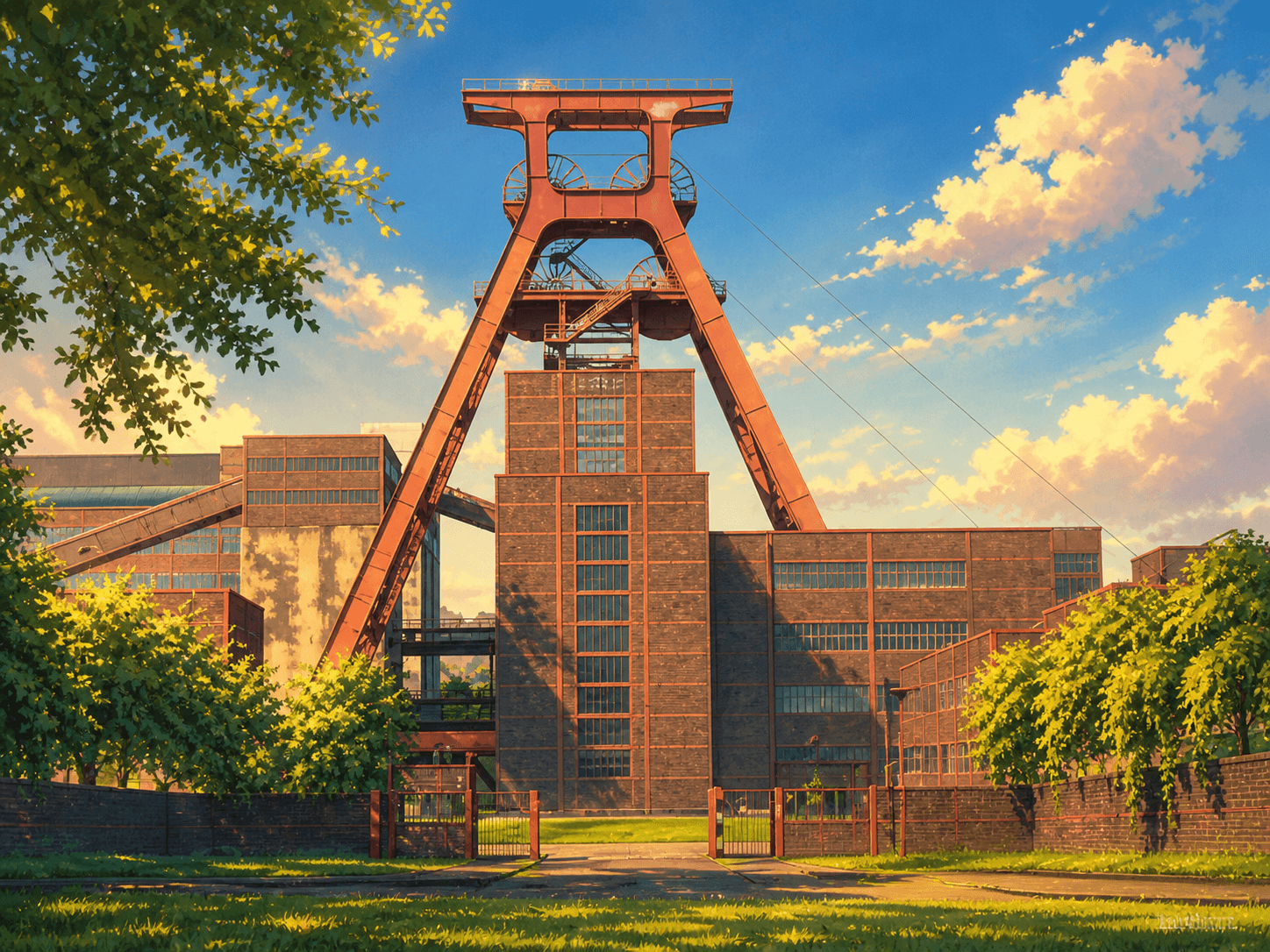
In March 2026, Essen made significant decisions on urban development. The Committee for Urban Development, Planning and Construction initiated impulses for green open spaces, energy-efficient construction projects, and long-term climate protection strategies.
Urban Planning in the Context of Climate Change: Essen Meetings in March 2026
In the third meeting of the Committee for Urban Development, Planning and Construction in March 2026, Essen made clear statements in urban development. The discussions and decisions reflect a clear trend: strengthening green urban space, promoting climate-friendly construction methods, and integrating climate protection into urban planning. These decisions affect not only symbolic projects, but also concrete construction measures with long-term financial and ecological consequences.
Green-blue city center belt: Urban climate protection in action
A central project discussed in the meeting on March 5, 2026, is the planning competition for the implementation of the "Green-blue city center belt / Market Church environment". This project is part of the integrated development concept "Zukunft.Essen.Innenstadt" and aims to increase the green space in the city center, promote biodiversity and improve the microclimate.
The city has nominated 20 planning teams, and public participation was a crucial part of the process. A barrier-free path network, clear wayfinding and tactile orientation are planned. At the same time, the materials should be robust, maintenance-friendly and easy to keep clean in the long term. The goal is to set visible impulses by 2026 - a clear signal for sustainable urban development.
Renovation and renewal: Investments in the building stock
In construction policy, renovation measures were in the foreground. The comprehensive renovation of the entire business yard at Elisenstraße 70–78 was unanimously approved. With total costs of 23.57 million euros gross and an extra budget of 3.5 million euros, the project is a testament to the prioritization of functional and technical infrastructure.
The renovation of the Geschwister-Scholl-Realschule also showed how complex and costly such projects can be. The costs increased from 8.73 million to 10.23 million euros, due to changed demand planning and additional costs in the planning phases. This underlines the challenges that arise in the renovation of older buildings - and the need to provide planning flexibility at an early stage.
Political debates: Between growth and sustainability
The political debates in the meeting reflected the tensions between economic interests and climate protection. Thus, a proposal by the Greens to secure industrial and commercial areas in Kupferdreh/Dilldorf was rejected by the majority. The discussion about the role of district councils in zoning procedures revealed the complexity of urban planning decisions.
Another point of contention was the debate about CO₂-free and recycled concrete. Councillor Blümer criticized the current concrete construction method and called for recycled concrete. The administration, on the other hand, emphasized cost reasons. This is an example of how ecological visions often fail at economic realities - and how important it is to anchor long-term criteria in construction projects.
A look into the future: Climate neutrality and heat planning
But not only the meetings on construction measures and open space planning show how Essen is preparing for the future. Comprehensive planning for heat supply is also underway. The goal is to achieve climate-neutral heat supply by 2040. For this purpose, district heating networks are to be expanded, and local heating networks in central districts are to be examined.
The city has already defined four heat supply areas and plans to cover more than 55% of the final energy demand via heat networks by 2045. This is a crucial step to reduce greenhouse gases and reduce dependence on fossil fuels. At the same time, the digitalization of approval procedures is being accelerated to meet the high demands of climate policy.
Conclusion: On the way to a sustainable city
The decisions of the Essen Committee for Urban Development, Planning and Construction in March 2026 show how closely urban planning and climate protection are interlinked. The city is setting clear priorities: green open spaces, energy-efficient construction methods and long-term heat planning. At the same time, the politics remain confronted with challenges - be it cost pressure, political differences or the complexity of planning procedures.
Essen is on an exciting path that not only changes the architecture of the city, but also the quality of life of its citizens. The next few months will show whether these impulses also lead to binding measures in reality - and whether the vision of a climate-neutral, vibrant city center becomes a reality.
NeoSearch analyses public council documents, committee minutes and municipal announcements. Source references appear automatically once verified meeting data is available.
What does this mean for businesses?
Municipal council decisions are early indicators: following the council agenda surfaces projects and tenders months before the official award — before they ever reach the procurement portals.
Track similar decisions in your region
Set up monitoring for kommunale Projekte in Nordrhein-Westfalen — prefilled from this article.
Set up monitoring →More signals from Essen
Inclusion Policy in Essen: How Governance and Administration Shape an Accessible Future
In April 2026, the city of Essen engaged intensively with the further development of its inclusive governance structures. The Inclusion Council, district committees, and other bodies worked on barrier-free solutions for sports, education, administration, and climate protection.
Read more → Cultural Advisory Board Essen: How Decisions on Cultural Support are Made
In April 2026, the Cultural Advisory Board Essen will meet again. The 3rd session offers insights into the work of the advisory board, which plays a crucial role in the city's cultural development. This blog post explains how institutional support works and why the exchange between cultural actors is essential.
Read more → Climate and Environment in Essen: Progress, Challenges, and Future Pathways
In April 2026, Essen focused on key measures for climate resilience, noise protection planning, and forest development. This blog analyzes the background, conflicts, and consequences of the political decisions.
Read more →