Food in the Climate Change: How the City Builds Climate Resilience
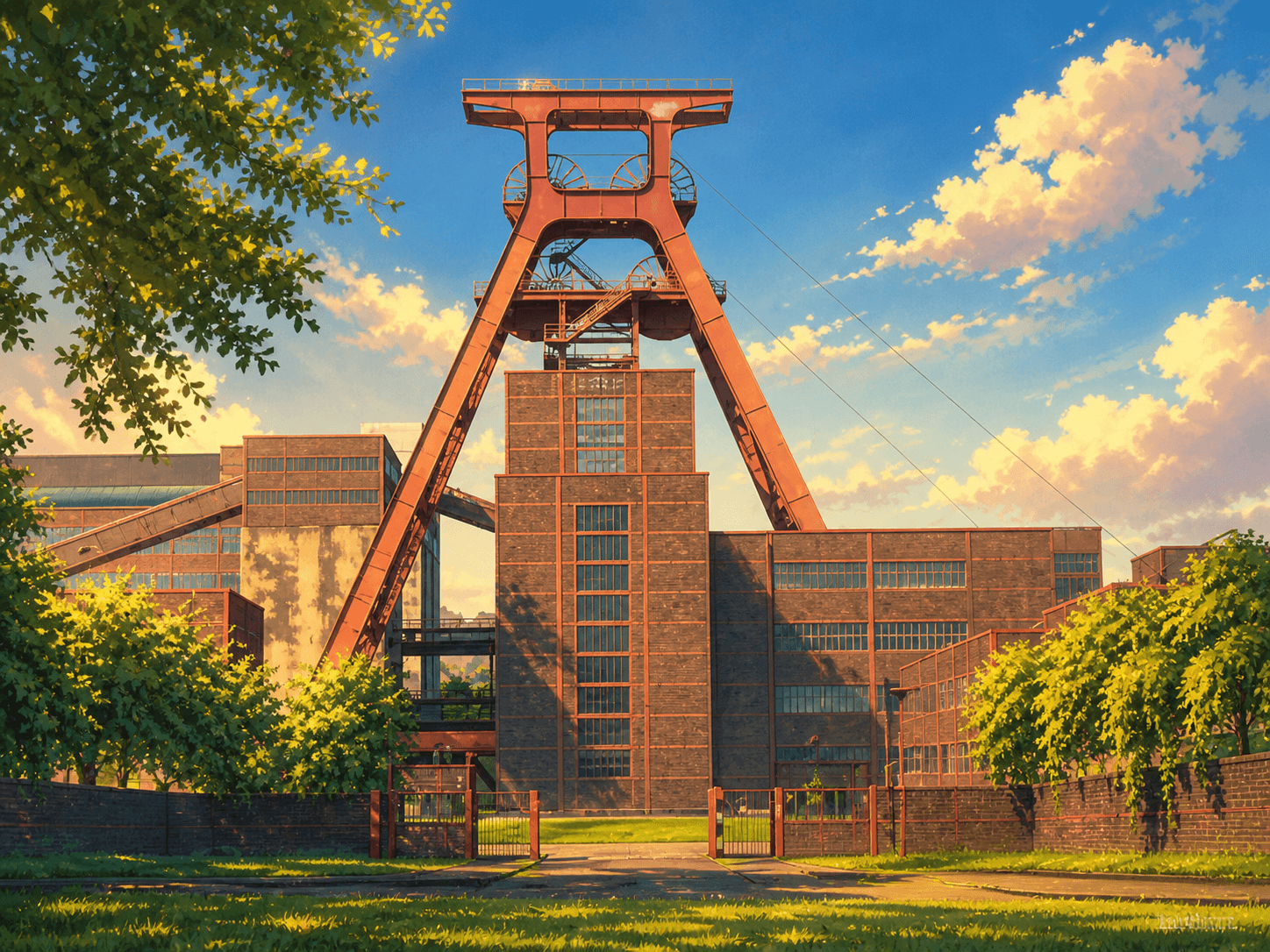
In a month in which climate change is becoming increasingly present, Essen has taken concrete steps to prepare for the future. The focus was on climate adaptation, biodiversity, movement in green spaces, and digital sustainability.
Climate Resilience as a Key to a Vibrant Future
The city of Essen has been intensively addressing climate and environmental issues during the past week of February. By applying for funding programs, planning greening projects, and introducing climate protection measures into sports development, the city is demonstrating that climate resilience is no longer just a distant goal, but an active part of urban planning. The focus was on creating climate-resilient neighborhoods, protecting biodiversity, and integrating movement and sustainability into urban infrastructure.
Climate-Resilient Neighborhoods in Focus
A central point was the application for the KRiS program (Climate-Resilient Region with International Reach) for the districts of Messe/Gruga, Neues Bernetal, and Katernberg/Zollverein. The goal is to de-seal at least 25% of sealed surfaces and increase evaporation rates by 10% by 2033. Measures include green roofs and façades, open stormwater drainage ditches, and the implementation of the "Sponge City Principle." These measures are intended not only to relieve the drainage infrastructure but also to reduce heat islands and strengthen local climate resilience.
What is particularly notable is that the city is acting not only infrastructurally but also strategically: through partnerships with private actors such as RWE or the University Hospital and through the establishment of project tables that include the municipality, associations, and citizens. Coordination is managed by a steering circle to ensure that all measures are coordinated and implemented sustainably.
Green Spaces and Biodiversity as Climate Protection
Another key focus was the creation of green spaces and the protection of biodiversity. Plans for the modernization of parks such as Riehlpark and Kaiser-Wilhelm-Park were presented, which are not only intended for sports use but also to offer greater usability through pump track facilities and improved surfaces. At the same time, the city is committed to the protection of small animals, for example by restricting the use of mowing robots during dusk and night hours to protect hedgehogs and other animals.
Another important project is the "1,000-Trees Program," which is to be implemented by 2030. The goal is to increase CO₂ absorption, reduce heat stress, and create habitats. In this context, a heat action plan was also adopted, which is being implemented through a "Heat Portal" on Essen.de. This portal provides early warning about risks during heat waves and offers tips on how to protect against overheating.
Sport and Movement in the Spirit of Sustainability
Essen is also active in the field of sports: The sports development plan integrates climate protection, sustainability, and resource conservation into the planning of sports facilities and open spaces. The goal is to make all municipal sports facilities climate-neutral by 2040. This includes renovations, digitization, and energy efficiency measures. In addition, barrier-free, climate-neutral sports and movement areas are to be designated, especially for seniors.
Another project is the redesign of sites such as the Marktplatz Überruhr-Hinsel and the Giebelplatz, which is being implemented within the federal program "Adaptation of Urban Areas to Climate Change." Here, de-sealing, grass joints, and new trees are intended to reduce heat stress and increase the quality of stay.
Digitization and Sustainability in Practice
In sports facility management, Essen is relying on digitization: A digital booking and defect management system for municipal sports facilities is to be set up by 2026. In addition, the city is supporting sports clubs in renovations and investments, particularly in the area of sustainability. These measures are not only technical but also socially relevant – they strengthen the role of sports clubs as local actors in climate protection.
Conclusion: Essen as a Model for Climate Resilience
Essen has shown in the past week of February that climate resilience is not only a distant ideal but achievable through concrete planning and cooperation. From green roofs and de-sealing of areas to digital solutions for sports facilities – the city is relying on a wide range of measures to prepare for the future. Whether these projects achieve their goals also depends on implementation, citizen participation, and long-term planning. But one thing is clear: Essen is on the way to positioning itself as a city that actively shapes climate change – rather than submitting to it.
NeoSearch analyses public council documents, committee minutes and municipal announcements. Source references appear automatically once verified meeting data is available.
What does this mean for businesses?
Municipal heat planning, photovoltaics and climate measures create early project indicators. Following council decisions surfaces sites and tenders before they are publicly advertised.
Track similar decisions in your region
Set up monitoring for environment & climate in Nordrhein-Westfalen — prefilled from this article.
Set up monitoring →More signals from Essen
Inclusion Policy in Essen: How Governance and Administration Shape an Accessible Future
In April 2026, the city of Essen engaged intensively with the further development of its inclusive governance structures. The Inclusion Council, district committees, and other bodies worked on barrier-free solutions for sports, education, administration, and climate protection.
Read more → Cultural Advisory Board Essen: How Decisions on Cultural Support are Made
In April 2026, the Cultural Advisory Board Essen will meet again. The 3rd session offers insights into the work of the advisory board, which plays a crucial role in the city's cultural development. This blog post explains how institutional support works and why the exchange between cultural actors is essential.
Read more → Climate and Environment in Essen: Progress, Challenges, and Future Pathways
In April 2026, Essen focused on key measures for climate resilience, noise protection planning, and forest development. This blog analyzes the background, conflicts, and consequences of the political decisions.
Read more →