Essen in Focus: Monthly Review February 2026
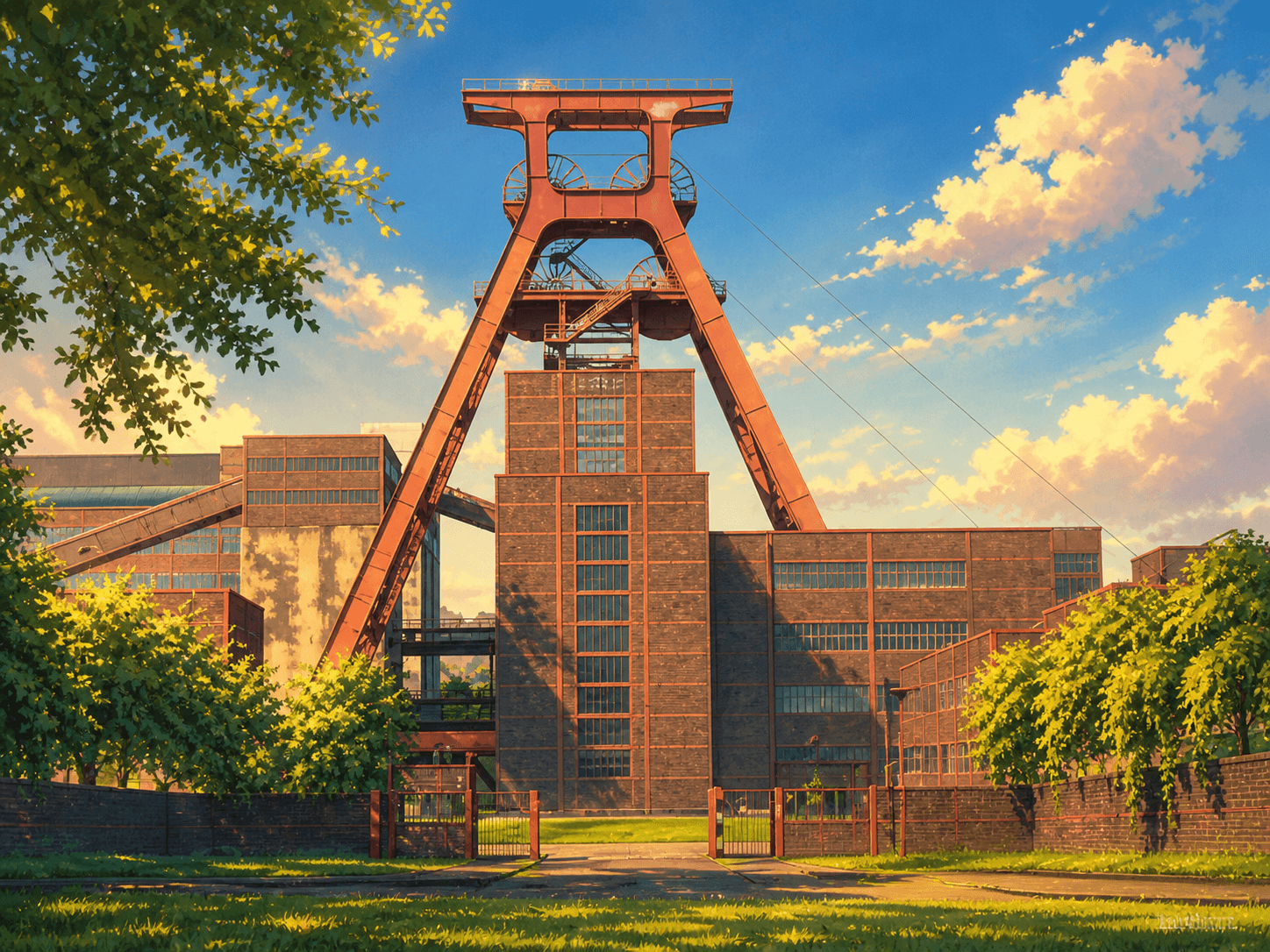
What was important in Essen in February 2026 – from traffic and housing to culture and finances. An overview of the most significant developments for the city's residents.
From Bike Paths to the Culture Pass – Essen in February 2026
What was important this month
- New bike path in the city center: The city center bike path was renovated and newly marked to promote cycling.
- New construction with social rent share: A vacant lot on Holteyer Straße is being converted into 55 new housing units, 30% of which will be built at subsidized rent.
- Art instead of trendy sports: The Walpurgistal area will be used for ecological purposes in the future – instead of a trendy sports facility.
- Climate protection advanced: With the 1,000-trees program and the Heat Portal, Essen is focusing on sustainable climate activities.
- Digital progress: The migration to SAP S/4 HANA and the procurement of new Microsoft licenses show progress in digital administration.
- Culture remains in focus: The Culture Pass is now permanently funded, and the Weststadt Hall has been transferred to the Cultural Affairs Department.
Traffic and Mobility: Safer and more environmentally friendly on the move
In February, Essen placed stronger emphasis on measures that enhance traffic safety and sustainability. The city center bike path was renovated and newly marked – good news for commuters and leisure cyclists. In addition, a truck ban for vehicles over 3.5 tons was introduced in Vogelheim to reduce noise and accident risks.
In Byfanger Straße, the traffic management for a city utility construction project was approved, and in district V, new right-turn signs, parking bans, and speed cushions were installed. The fiber-optic expansion is progressing and will continue to provide enhanced digital infrastructure this year as well.
Housing and Urban Development: Space for the Future
The city made important steps in urban development and housing in February. On Holteyer Straße, the vacant plot will be converted into 55 housing units, with 30% built at subsidized rent. In Deilbachtal, a new zoning plan is being developed for the industrial site to ensure long-term security for businesses.
Progress was also made in the area of sports facilities: Artificial turf fields in Am Krausen Bäumchen and Im Löwental are being renewed, and the Weststadt Hall has been transferred to the Cultural Affairs Department. In addition, it was decided to use the Walpurgistal area not for a trendy sports facility, but for ecological purposes such as forest replacement and small gardens.
Finance and Digitization: Security and Efficiency
In the financial area, investments and digitization were the main focus. 3 million euros in credit authorization remained unused, indicating cautious budget planning. Extra-budgetary funds in the amount of over 1.9 million euros were allocated for the procurement of Microsoft Office 2024 licenses.
In addition, the migration to SAP S/4 HANA was advanced, which is expected to increase administrative efficiency. Digitization is also a topic in other areas – for example, discussions on open-source alternatives were held to reduce licensing costs.
Climate, Environment, and Inclusion: Protection for People and Nature
In the area of environment and climate, Essen focused on concrete projects: With the 1,000-trees program, new trees were planted in several districts, and the tree balance for 2024 was evaluated. The protection of small animals and hedgehogs from lawn mowers was highlighted in proposals by the Greens.
In the area of inclusion and sports, there were also advances: The Inclusion Council was reconstituted, and the sports development plan was strategically aligned. In addition, the parenting advisory service was further developed, and the specialist unit for sexualized violence received additional resources.
Culture and Citizen Participation: Close to Everyday Life
In cultural matters, the Culture Pass was the main focus, now being permanently funded. The Weststadt Hall has been transferred to the jurisdiction of the Cultural Affairs Department, which is expected to strengthen cultural diversity. In citizen participation, there were discussions about renaming Marienstraße to Margot-Friedländer-Straße, proposed by a coalition.
There were also new developments in youth support: Support officers for young people with disabilities were appointed, and the 2026 holiday program will be launched online in mid-February. In addition, the removal of Litfaß columns was completed at 95% – only 250 columns remain.
Future Security Through Planning and Partnership
February 2026 shows that Essen is preparing for the future in various areas. Whether in the fields of mobility, housing, or digitization – the city is making sustainable, inclusive, and transparent decisions. The collaboration between administration, politics, and citizens remains a central factor for success.
Conclusion and Outlook
February 2026 was marked by concrete decisions and long-term planning. Essen is investing in infrastructure, climate protection, and inclusion, while simultaneously advancing digitization. In March, the focus will be on the implementation of the approved projects and on involving citizens in important decisions. The challenges remain significant – but the direction is being set correctly.
NeoSearch analyses public council documents, committee minutes and municipal announcements. Source references appear automatically once verified meeting data is available.
What does this mean for businesses?
Urban development, zoning plans and commercial settlements create early construction and supply opportunities. Following council decisions reveals projects before they go to tender.
Track similar decisions in your region
Set up monitoring for economic development in Nordrhein-Westfalen — prefilled from this article.
Set up monitoring →More signals from Essen
Inclusion Policy in Essen: How Governance and Administration Shape an Accessible Future
In April 2026, the city of Essen engaged intensively with the further development of its inclusive governance structures. The Inclusion Council, district committees, and other bodies worked on barrier-free solutions for sports, education, administration, and climate protection.
Read more → Cultural Advisory Board Essen: How Decisions on Cultural Support are Made
In April 2026, the Cultural Advisory Board Essen will meet again. The 3rd session offers insights into the work of the advisory board, which plays a crucial role in the city's cultural development. This blog post explains how institutional support works and why the exchange between cultural actors is essential.
Read more → Climate and Environment in Essen: Progress, Challenges, and Future Pathways
In April 2026, Essen focused on key measures for climate resilience, noise protection planning, and forest development. This blog analyzes the background, conflicts, and consequences of the political decisions.
Read more →