Duisburg's Cultural Policy in Focus: April 2026
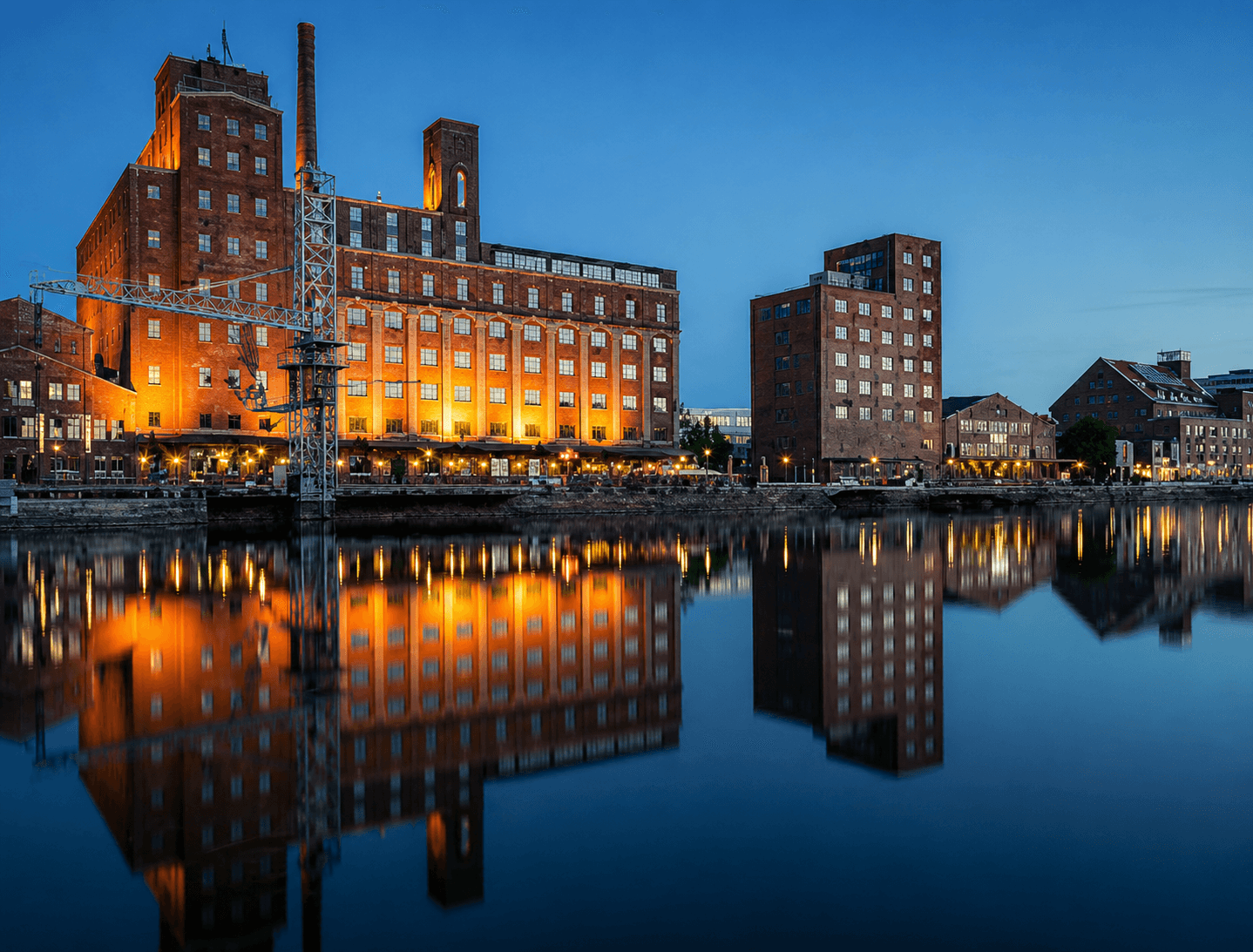
In April 2026, Duisburg continues its efforts to develop a vibrant, inclusive, and sustainably funded cultural landscape. Through festivals, libraries, committees, and funding programs, the city demonstrates how culture can be strengthened as a central part of the community.
Duisburg's Cultural Policy: Innovations, Structures, and Perspectives
The city of Duisburg has established itself in recent years as a dynamic and diverse cultural hub. In April 2026, decisions and strategic measures were at the forefront that will further shape the city's cultural future. The focus was on the organization of cultural administration, the support of independent cultural work, the development of festivals, and the role of the municipal library as a central place for learning and meeting.
Cultural Administration and Committee Development
The Cultural Committee thoroughly examined the structure and functioning of the cultural administration. A central topic was the reform of committees, especially the Cultural Advisory Board, which now consists of nine members and more accurately reflects the political composition of the city council. This adjustment, in accordance with the North Rhine-Westphalia Municipal Code, serves to ensure representativeness and strengthen participation.
In addition to the Cultural Advisory Board, other committees such as the Mercator Honorary Award Committee and the Fakir-Baykurt Cultural Prize Committee were also reformed. The number of members was increased, and guidelines were adapted to ensure transparency and representativeness. These structural reforms illustrate how Duisburg is further professionalizing and democratizing its cultural institutions.
Another focal point was the appointment of members for the Art Commission and other culturally relevant committees. In addition to political representatives, members from the independent cultural scene also played a role, thereby strengthening the connection between the administration and artists.
Festivals and Cultural Infrastructure
Duisburg's cultural events, especially the Film Week and the doxs! Festival, remain central pillars of the city's cultural identity. In April 2026, extensive discussions took place about preparations for the 50th anniversary of the Duisburger Film Week. Alongside an anniversary publication and historical side programs, an educational initiative is also planned, which will combine film criticism and media education.
The doxs! Festival plans to increase the participation of children and young people for its 25th anniversary. This development highlights how Duisburg actively involves younger generations in its cultural landscape. The Film Week and doxs! are not only cultural highlights but also part of Duisburg's international networking, with collaborations with institutions in Graz, Vienna, Berlin, and Zurich.
In addition, the future of the Film Forum was discussed. With a planned deficit of 312,500 euros and the urgent need to replace the projection equipment, the municipal cinema is facing financial challenges. Without external funding or sponsorship, cinema activities in Duisburg could decline—a problem that is also relevant for other municipal cultural institutions.
Municipal Library: More Than Just Books
The Duisburg Municipal Library has developed significantly in recent years. In addition to its role as a learning center, it is also a place for cultural encounters. In 2025, over 1,300 events were offered, including readings, workshops, and cultural projects such as the International Children's Book Exhibition (IKiBu). The library also promotes inclusion, for example, through media in plain language, material kits for sign language, and technologies such as Orcam MyEye for visually impaired users.
In April 2026, the annual report for 2025 was presented, highlighting the library's strategic developments and successes. A special highlight was the opening of the new district library in Neumühl, which further expands the range of services in the districts. The library is also a central partner in implementing the United Nations' Sustainable Development Goals, especially in the areas of education and inclusion.
Outlook and Challenges
Duisburg's cultural policy is clearly oriented towards sustainability, participation, and diversity. However, challenges remain: the financing of cultural institutions, the renovation of historic buildings such as the theater, and the acquisition of grants for projects such as the Film Forum are central issues that need to be addressed intensively in the coming years.
Moreover, it becomes clear that culture cannot be considered in isolation, but is closely linked with education, social affairs, and the environment. Duisburg's approach of linking cultural and social projects such as the "Environmental Weeks" or the promotion of leisure and sports activities for young people is a pioneering step toward integrated urban development.
NeoSearch analyses public council documents, committee minutes and municipal announcements. Source references appear automatically once verified meeting data is available.
What does this mean for businesses?
Municipal council decisions are early indicators: following the council agenda surfaces projects and tenders months before the official award — before they ever reach the procurement portals.
Track similar decisions in your region
Set up monitoring for Culture and Community in Nordrhein-Westfalen — prefilled from this article.
Set up monitoring →More signals from Duisburg
Youth Policy in Duisburg: Development, Support, and Future Perspectives
In April 2026, Duisburg made key decisions in several meetings of the youth delegate, shaping the future viability and well-being of the city's younger generation. This blog article analyses the current youth policy, from funding models through structural development to inclusive leisure opportunities.
Read more → Duisburg's Urban Development in April 2026: Urban Transformation, Mobility, and Heritage Conservation
In April 2026, Duisburg made significant strides in urban development. Zoning plans, barrier-free mobility, and the restoration of historical sites were the main focus. This blog provides insights into the key decisions and their impact on the city's structure.
Read more → Duisburg's Social Policy in Focus: Health, Prevention, and Housing in April 2026
In April 2026, Duisburg focused on social policy with an emphasis on health promotion, addiction support, early intervention, and municipal assistance. An overview of the most important decisions, projects, and debates.
Read more →