Duisburg's Climate Protection in Practice: What's Moving in 2026
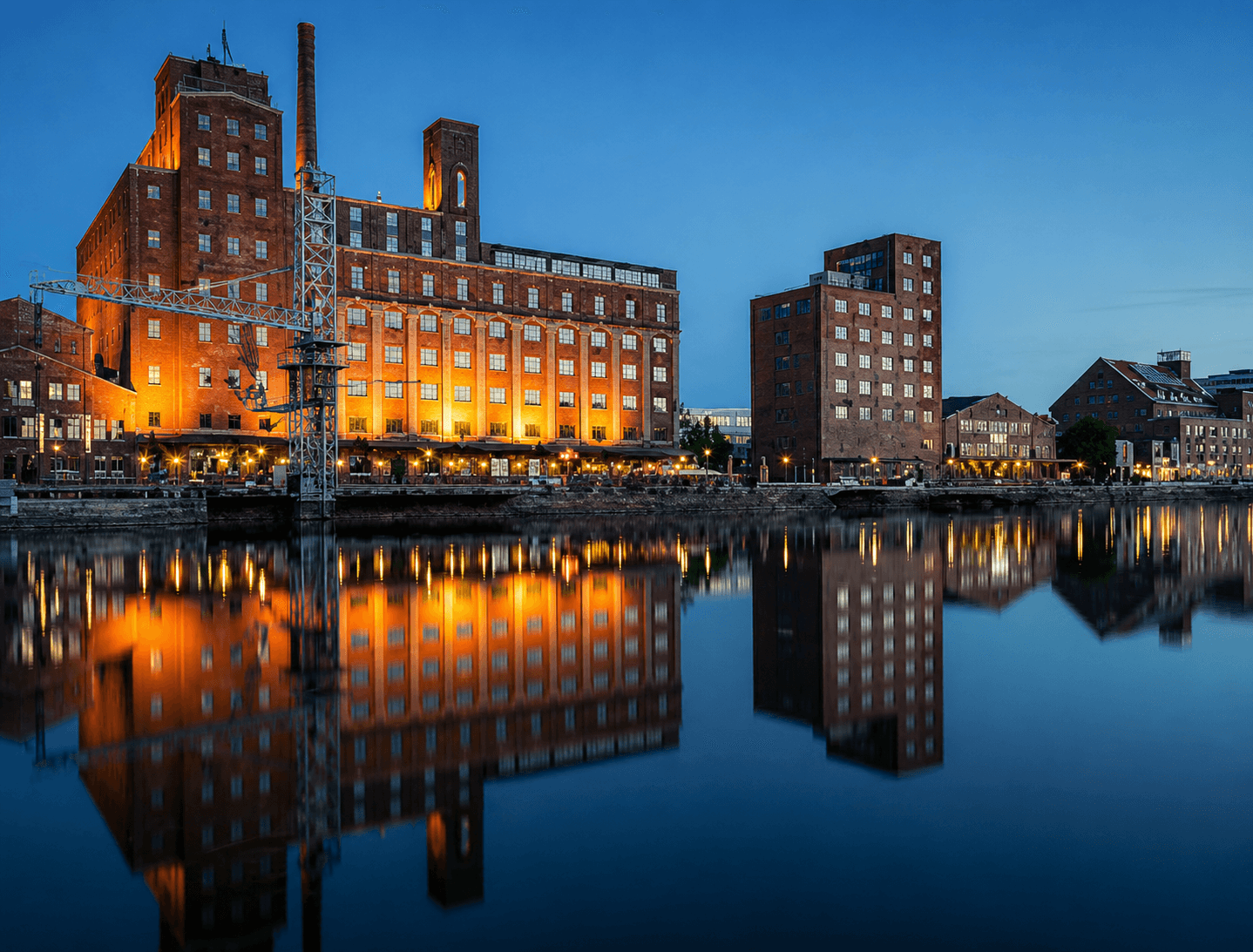
Duisburg is taking decisive action on climate protection, biodiversity, and the circular economy this year. The city is pursuing a wide range of measures – from redesigning parking lots to planning climate-resilient districts. In this blog post, we highlight the key developments and projects that will shape environmental and climate policy in Duisburg in 2026.
Duisburg's Climate Protection in Practice: What's Moving in 2026
Duisburg has established itself as a pioneer in climate protection in recent years – and 2026 is a year of concrete implementation for the city. Numerous projects and initiatives show how Duisburg wants to tackle the challenges of climate change while simultaneously strengthening biodiversity.
But what exactly is happening in council debates, participation events, and in the districts? Which measures have already been implemented, and which are still pending? And what about financing and monitoring?
Climate-Resilient Urban Development in Focus
One of the central projects in Duisburg is Climate-Resilient Urban Development (KRiS) – a program focusing in particular on the districts of Ruhrort and Laar. The goal is to make the city more resilient to extreme weather events by disconnecting sealed surfaces and strengthening natural water management systems.
The measures include surface de-sealing, green roofs and facades, and evaporation beds. A total of 21.5 million euros is planned for Ruhrort, with 84% of the costs covered by grants. Implementation is planned until 2033, which means: Planning and preparation are crucial now.
Another milestone is the Environment Week 2026, which will take place under the title "Closing Cycles – Re-Thinking Resources." It will not only inform about topics such as the sharing economy and resource conservation, but also show practical examples from Duisburg.
Ecological Renovations in the City
Duisburg is investing heavily in the ecological upgrading of urban spaces. Particularly noticeable is the renovation of the parking lot of the Glückauf-Halle in Hochheide, where 20 trees will be planted and surface sealing will be reduced. A similar project is underway at the Community Primary School Kirchstraße, where a school garden is being created.
These measures are not only important for local biodiversity, but also for education: Children learn about sustainability, biodiversity, and climate protection in a hands-on way here. At the same time, the city space becomes greener and more livable – a gain for all citizens.
Climate Protection in the Administration and Mobility
The city of Duisburg is also implementing climate-friendly measures in public administration and mobility. The WBD and the Duisburger Verkehrsverbund (DVV) have already equipped 186 vehicles with low-emission drives. A total of 500 public charging stations for electric vehicles are to be created by 2026, along with 5 km of new cycle paths and 30 km of renovated routes.
In addition, economic planning is another focus: 222,222 euros will be used for renovations in DuisburgSport alone, and the Sparkassenstiftung supports energy-efficient measures in sports clubs with 2 million euros. These investments show that climate protection and sports promotion can go hand in hand.
Involving Citizens – Education and Participation
A central role is also played by citizen participation. Duisburg has set up an extensive education program, ranging from the "Fair-Radeln" tour to the "Müllexperten" training to the Volkshochschule excursions. A total of 51 events took place in 2025, and the focus in 2026 will be on the circular economy and resource protection.
Through projects such as STADTRADELN and KlimaGo, the population is actively involved in the climate protection process. In addition, the city offers waste advice – both in person and online – to support citizens with questions about separation and waste avoidance.
What Remains to Be Done?
Despite many positive developments, there are challenges. The debate about the H2 pipeline "Voerde-Walsum" shows that infrastructure projects often conflict with nature conservation goals. Likewise, the implementation of the landscape development plan (LEP) is being critically observed – particularly with regard to brownfield sites and land exchange agreements.
Funding also remains an issue: Although many projects are covered by grants, it is important to develop long-term strategies for financing climate protection measures. The city must ensure that it is also able to implement climate-resilient measures after 2030.
Conclusion: Duisburg as a Model for Climate Protection
2026 is a year in which Duisburg is implementing its climate protection ambitions. From the ecological upgrading of school courtyards to the promotion of climate-friendly mobility to participation events – the city proves that climate protection is not only a necessity, but also an opportunity for a more livable urban life.
The challenge now is to consolidate these measures in the coming years and to finance them in the long term. Will the climate goals be achieved by 2030? How can citizen participation be further strengthened? These questions will become increasingly important in the course of the year – and Duisburg has shown that it is ready to address them.
NeoSearch analyses public council documents, committee minutes and municipal announcements. Source references appear automatically once verified meeting data is available.
What does this mean for businesses?
Municipal heat planning, photovoltaics and climate measures create early project indicators. Following council decisions surfaces sites and tenders before they are publicly advertised.
Track similar decisions in your region
Set up monitoring for environment & climate in Nordrhein-Westfalen — prefilled from this article.
Set up monitoring →More signals from Duisburg
Youth Policy in Duisburg: Development, Support, and Future Perspectives
In April 2026, Duisburg made key decisions in several meetings of the youth delegate, shaping the future viability and well-being of the city's younger generation. This blog article analyses the current youth policy, from funding models through structural development to inclusive leisure opportunities.
Read more → Duisburg's Urban Development in April 2026: Urban Transformation, Mobility, and Heritage Conservation
In April 2026, Duisburg made significant strides in urban development. Zoning plans, barrier-free mobility, and the restoration of historical sites were the main focus. This blog provides insights into the key decisions and their impact on the city's structure.
Read more → Duisburg's Social Policy in Focus: Health, Prevention, and Housing in April 2026
In April 2026, Duisburg focused on social policy with an emphasis on health promotion, addiction support, early intervention, and municipal assistance. An overview of the most important decisions, projects, and debates.
Read more →