Duisburg's Budget Decisions in April 2026: Investments, Additional Costs, and Financing
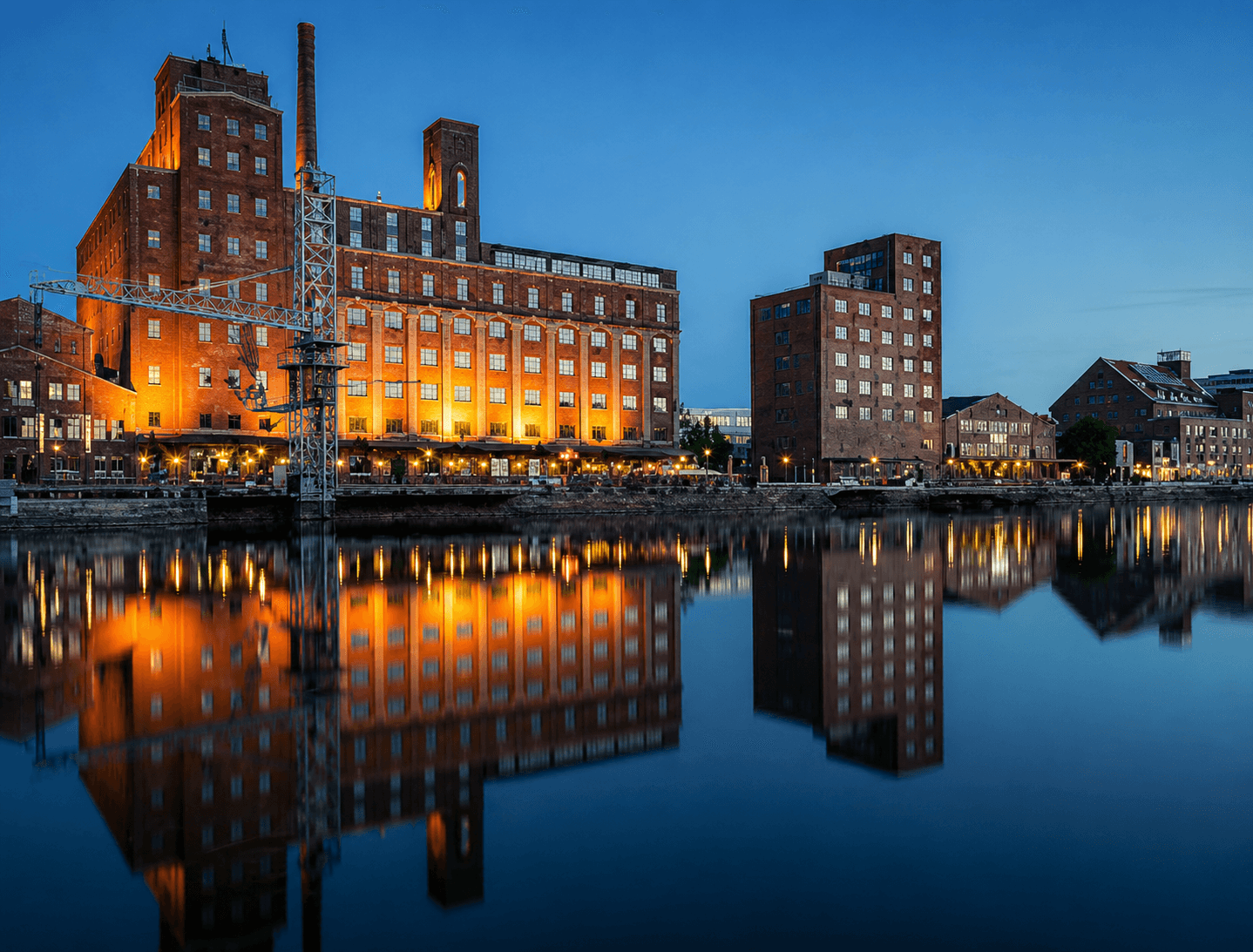
In April 2026, Duisburg focused on a number of key financial decisions. The Main and Finance Committee approved investments in education, sports, culture, and urban development, while also addressing additional costs and financing models. This blog post highlights the most important topics, backgrounds, and consequences of these decisions.
Duisburg's Budget Decisions: Investments, Additional Costs, and Financing in April 2026
In April 2026, Duisburg focused on several financially significant topics that will have both short- and long-term effects on the city's infrastructure, culture, and education. The Main and Finance Committee made decisions on construction projects, museum funding, school renovations, and investments in sports and swimming infrastructure, while also confronting multiple issues of additional costs and financing.
Investments in Sports and Education: Indoor Pool, Sports Hall, and Digitalization
One of the largest investments in April 2026 was the construction of a new indoor swimming pool in Duisburg-Mitte, which was unanimously approved. With a cost volume of around 6.3 million euros, the project is a milestone for the city’s swimming infrastructure in the city center. The funding is primarily from municipal funds, supplemented by grants and co-funding. The new building will provide long-term planning stability in energy and maintenance costs and will serve as a central location for education and health.
The planning of a new double-purpose sports hall at the Lise-Meitner Comprehensive School was also unanimously approved. The planning costs amount to approximately 310,000 euros, while the construction costs are estimated at 6.3 million euros. The measure is intended to improve the school's sports facilities and reduce cold rent and operating costs in the long term.
In addition, investments in digital schooling were approved, including IT equipment (approximately 85,000 euros) and school furniture (approximately 200,000 euros). These investments are part of the city's digitalization strategy and aim to ensure school equipment in the digital age.
Additional Costs and Financing: Challenges in Construction Projects
Another central topic in April 2026 was the renovation and maintenance of Königstraße Bridge. Here, the costs increased from 5.5 million to 10.7 million euros, mainly due to the coronavirus pandemic and rising construction costs (up to 25% for steel and corrosion protection). The City of Duisburg is covering its own share of 5.4 million euros, while funding from the Federal Ministry of Culture and Media (BKM) and STEAG as a partner are involved. Funding will be spread over several budget years (2026–2029), with depreciation and maintenance costs also considered from 2030 onward.
The renovation of Sermer Straße also resulted in additional costs. Originally planned at 850,000 euros, the costs increased to 1.2 million euros. Additional costs of 350,000 euros arose due to general cost increases in the construction industry (160,000 euros) and a correction of the loading class according to RStO 12 (90,000 euros). The City of Duisburg will finance the additional costs via the financial account 6107.120106.4470.
Culture and Museum Funding: Wilhelm Lehmbruck Museum
There were also decisions in cultural policy. The special grant for the Wilhelm Lehmbruck Museum was set at 300,000 euros. Due to ongoing financial difficulties and a structural deficit of 659,000 euros in 2026, a one-time withdrawal from the Lehmbruck Foundation Fund in the amount of 359,000 euros is also proposed. Funding will be carried out via the result plan (PO 2060).
Digitalization and Funding: NRW Infrastructure Act
Another focus was the use of investment funds according to the NRW Infrastructure Act from 2025 to 2036. The City of Duisburg receives approximately 25.1 million euros annually, which is intended to be used for education, property renovation, climate protection, and transport infrastructure. The distribution of funds was proposed, with 50% for education and childcare, 20% for property and climate protection, and 20% for transport infrastructure. A ten percent share is reserved for sports infrastructure.
The City of Duisburg emphasizes that the funding is intended to contribute to budget consolidation. The city aims to concentrate investments with high financial volumes to avoid fragmentation. In addition, cost-benefit analyses must be carried out for each measure.
Financing of Full-Day School Offers
A controversial topic was the financing of pedagogical after-school care and extracurricular full-day school offers. The City of Duisburg plans to charge parents 60 euros per place, with the fees being adjusted annually per school year. The funding is partially provided by state funds within the framework of the "Money or Position" program, with half-day schools being able to capitalize on 0.6 teaching positions. The collection of fees is carried out by the providers of the offers, with additional costs covered by the budget of the Office for School Education through the preparation of orders.
Conclusion: Stability and Investments in Focus
April 2026 was a month in Duisburg in which investments in education, sports, and culture as well as financing concepts were in the foreground. The city is relying on long-term planning, co-funding, and grants to create budget relief while implementing infrastructure measures. At the same time, it becomes clear that rising costs and the consequences of the coronavirus are still a challenge for financial planning. In the coming months, it will depend on how these investments are implemented in practice and what effects they will have on the city's budget situation.
NeoSearch analyses public council documents, committee minutes and municipal announcements. Source references appear automatically once verified meeting data is available.
What does this mean for businesses?
Municipal council decisions are early indicators: following the council agenda surfaces projects and tenders months before the official award — before they ever reach the procurement portals.
Track similar decisions in your region
Set up monitoring for Finance and Budget in Nordrhein-Westfalen — prefilled from this article.
Set up monitoring →More signals from Duisburg
Youth Policy in Duisburg: Development, Support, and Future Perspectives
In April 2026, Duisburg made key decisions in several meetings of the youth delegate, shaping the future viability and well-being of the city's younger generation. This blog article analyses the current youth policy, from funding models through structural development to inclusive leisure opportunities.
Read more → Duisburg's Urban Development in April 2026: Urban Transformation, Mobility, and Heritage Conservation
In April 2026, Duisburg made significant strides in urban development. Zoning plans, barrier-free mobility, and the restoration of historical sites were the main focus. This blog provides insights into the key decisions and their impact on the city's structure.
Read more → Duisburg's Social Policy in Focus: Health, Prevention, and Housing in April 2026
In April 2026, Duisburg focused on social policy with an emphasis on health promotion, addiction support, early intervention, and municipal assistance. An overview of the most important decisions, projects, and debates.
Read more →