Duisburg's Budget in Focus: Financial Policy in February 2026
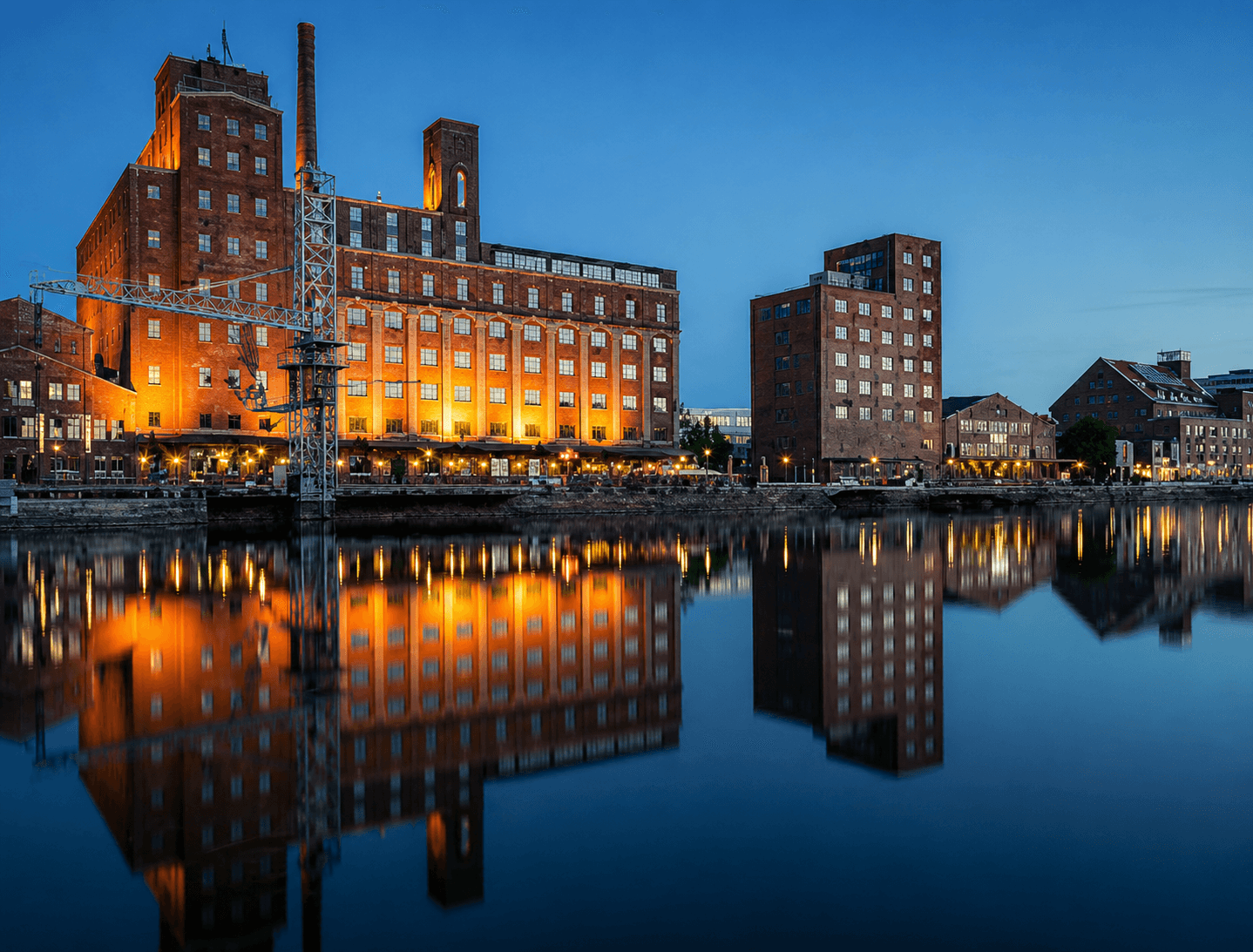
In February 2026, Duisburg was at the center of numerous financial decisions. From the business plan of filmforum GmbH to investment programs and controversial tax rate increases – the city experienced an intense month in the field of finances and budgeting.
Duisburg's Budget: Financial Policy in February 2026 in Detail
February 2026 was an intense month for Duisburg's finances. Numerous decisions by the Main and Finance Committee laid the foundation for future investments, but also sparked controversial decisions that point to legal uncertainties and financial risks.
Investment Programs and Funding: The Planning Period 2026–2029
Duisburg consistently supported investments in February 2026, particularly in the areas of infrastructure, urban development, and culture. Important projects such as the renovation of the Bassinbrücke (12.5 million euros) and the ecological redesign of the parking lot at the Glückauf-Halle (1.337 million euros) were approved.
Funding is coordinated closely with grants. For example, the city receives 50% of the costs for the Bassinbrücke from the federal government, with the remaining costs covered by municipal funds. The financial security of these measures is central to long-term budget planning.
Another example is TrHy GmbH, where Duisburg contributes 50,000 euros through TZW GmbH. This step is part of a broader funding concept that includes investments totaling 24 million euros, with 22 million euros covered by grants.
Property Tax Reform and Tax Rates: Legal Uncertainty and Financial Risks
A particularly sensitive topic was the adjustment of tax rates for property tax. In December 2024, the Council had decided to differentiate between residential and non-residential properties, with residential properties taxed at 886 v. H. and non-residential properties at 1,469 v. H.
However, this differentiation was deemed unlawful by the Administrative Court of Gelsenkirchen, as it violated the principle of tax fairness. A tax loss of more than 50 million euros is now expected for 2026, which could strongly affect budget planning.
Foster Parents and Kindergarten Funding: Financial Adjustments
Social issues were also on the agenda in February 2026. It was decided to adjust the contribution to accident insurance for foster parents according to recommendations from the German Association of Local Authorities. This step will result in additional annual costs of around 2,500 euros, which can, however, be compensated within the budget management.
In the area of kindergarten funding, a new grant model for plusKitas was also approved, corresponding to the municipal grants provided by the state. The city-run kindergartens receive grants of up to 76,000 euros per year, depending on the number of groups.
Outlook and Challenges
Duisburg is operating in a tense financial climate. While investments and funding programs support the budget, legal disputes and political decisions threaten to endanger budget plans. The city must therefore plan particularly carefully in the coming months and flexibly respond to changing conditions.
Financial transparency, as well as legal certainty, will remain central challenges—not least because the effects of the property tax reform and possible changes in tax law are only foreseeable in the long term.
NeoSearch analyses public council documents, committee minutes and municipal announcements. Source references appear automatically once verified meeting data is available.
What does this mean for businesses?
Municipal council decisions are early indicators: following the council agenda surfaces projects and tenders months before the official award — before they ever reach the procurement portals.
Track similar decisions in your region
Set up monitoring for Finance and Budget in Nordrhein-Westfalen — prefilled from this article.
Set up monitoring →More signals from Duisburg
Youth Policy in Duisburg: Development, Support, and Future Perspectives
In April 2026, Duisburg made key decisions in several meetings of the youth delegate, shaping the future viability and well-being of the city's younger generation. This blog article analyses the current youth policy, from funding models through structural development to inclusive leisure opportunities.
Read more → Duisburg's Urban Development in April 2026: Urban Transformation, Mobility, and Heritage Conservation
In April 2026, Duisburg made significant strides in urban development. Zoning plans, barrier-free mobility, and the restoration of historical sites were the main focus. This blog provides insights into the key decisions and their impact on the city's structure.
Read more → Duisburg's Social Policy in Focus: Health, Prevention, and Housing in April 2026
In April 2026, Duisburg focused on social policy with an emphasis on health promotion, addiction support, early intervention, and municipal assistance. An overview of the most important decisions, projects, and debates.
Read more →