Duisburg's Governance Developments: An Analysis April 2026
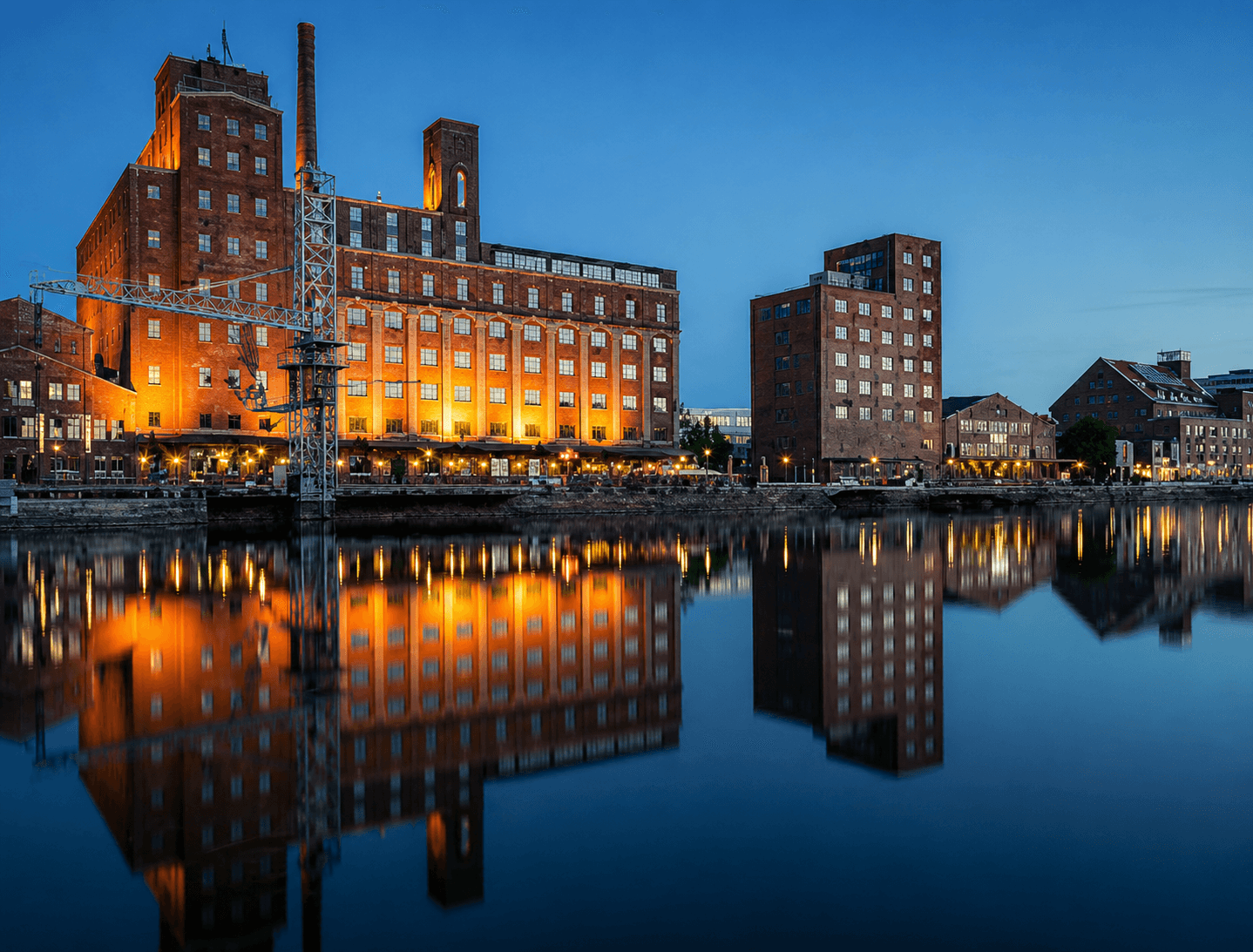
In April 2026, Duisburg set important milestones in its administrative development. The city council's citizen initiative on the Olympic bid, the municipal heat planning, and structural reforms in the personnel and financial sectors show how the city is actively implementing its governance strategy.
Governance and Administration in Duisburg: A Monthly Review April 2026
The city of Duisburg has established itself in recent years as a pioneer in modern governance structures. In April 2026, it set further decisive impulses, both on the political and administrative levels. From citizen initiatives to the digitalization of administration, the development paths are diverse and show how Duisburg is aligning its administrative systems for the future.
The City Council Citizen Initiative: A Clear Message
One of the most prominent events of the month was the city council citizen initiative on April 19, 2026. With 72.95% of the votes in favor, the population decided that Duisburg should participate in the region Rhine/Ruhr's bid for the Olympic and Paralympic Games in 2036, 2040, or 2044. The electoral committee confirmed the result on April 23, 2026. With 98,268 participants, the city emphasized its democratic participation.
The vote was a success for the city, not only in content but also in organizational terms. The use of the software Sitzungsdienst Session for the digital execution of the public meeting marks a step toward modern, transparent administration. Furthermore, the appointment of Sonja Gläser as secretary and Nick Erichsen as deputy secretary was legally established, underscoring the legitimacy of the process.
Municipal Heat Planning: A Model Function
Another focus was on municipal heat planning (KWP), a central element of the climate protection strategy. The Duisburg KWP is part of a broader process aiming to enable a climate-neutral heating supply in the city by 2045. The steering committee chaired by the mayor coordinates this process, supported by an advisory board of stakeholders.
The heat planning is not a static document but a continuous process adapted to technological and legal developments. Its integration into other planning instruments such as the climate protection concept or the land use plan is crucial. The city had already initiated the process in 2023 and is relying on broad participation from the population and experts.
A digital tool, the digital twin of the city area, helps make the planning transparent and efficient. The KWP identifies suitable areas for heat networks and defines measures that contribute to achieving climate goals.
Personnel Policy: Promotions and Structures
In the personnel area, Duisburg in April 2026 focused on stability and further development. With 177 promotions planned for 2026, the city shows its focus on long-term career planning. Promotions are based on suitability, capability, and performance – a process regulated by the civil service status law.
At the same time, the Personnel and Administration Committee addressed challenges in the administration, for example in the fire department, where an external compliance consultancy has identified structural shortcomings. The recommendation to introduce a dual leadership in the administrative management shows that Duisburg is willing to pursue reforms even on sensitive topics.
Digital Time Recording: A Necessary Modernization
Another central reform concerned time recording in the city administration. Due to legal requirements and the need to enable audit-proof and transparent recording, Duisburg plans to establish a uniform system. The integration into SAP HCM and the gradual replacement of stand-alone solutions mark a step toward more efficient and legally secure administration.
Conclusion: Duisburg as a Governance Model?
The developments in April 2026 show that Duisburg is actively involved in shaping modern, transparent, and participatory governance. Whether in the vote on the Olympic Games, the climate protection planning or personnel policy, the city is relying on clear structures, digital solutions and broad participation.
The challenges remain significant. The implementation of the heat plan, the modernization of the administration and long-term personnel planning require continuous adjustments and investments. But with the will to implement reforms not only to plan them, Duisburg has good prospects of establishing itself as a pioneer in municipal governance.
NeoSearch analyses public council documents, committee minutes and municipal announcements. Source references appear automatically once verified meeting data is available.
What does this mean for businesses?
Town halls, fire stations, depots and administrative buildings create early construction and refurbishment opportunities. Following council agendas reveals projects before they go to tender.
Track similar decisions in your region
Set up monitoring for public buildings & administration in Nordrhein-Westfalen — prefilled from this article.
Set up monitoring →More signals from Duisburg
Youth Policy in Duisburg: Development, Support, and Future Perspectives
In April 2026, Duisburg made key decisions in several meetings of the youth delegate, shaping the future viability and well-being of the city's younger generation. This blog article analyses the current youth policy, from funding models through structural development to inclusive leisure opportunities.
Read more → Duisburg's Urban Development in April 2026: Urban Transformation, Mobility, and Heritage Conservation
In April 2026, Duisburg made significant strides in urban development. Zoning plans, barrier-free mobility, and the restoration of historical sites were the main focus. This blog provides insights into the key decisions and their impact on the city's structure.
Read more → Duisburg's Social Policy in Focus: Health, Prevention, and Housing in April 2026
In April 2026, Duisburg focused on social policy with an emphasis on health promotion, addiction support, early intervention, and municipal assistance. An overview of the most important decisions, projects, and debates.
Read more →