Digitalization and Governance: How Duisburg is Reshaping its Administration
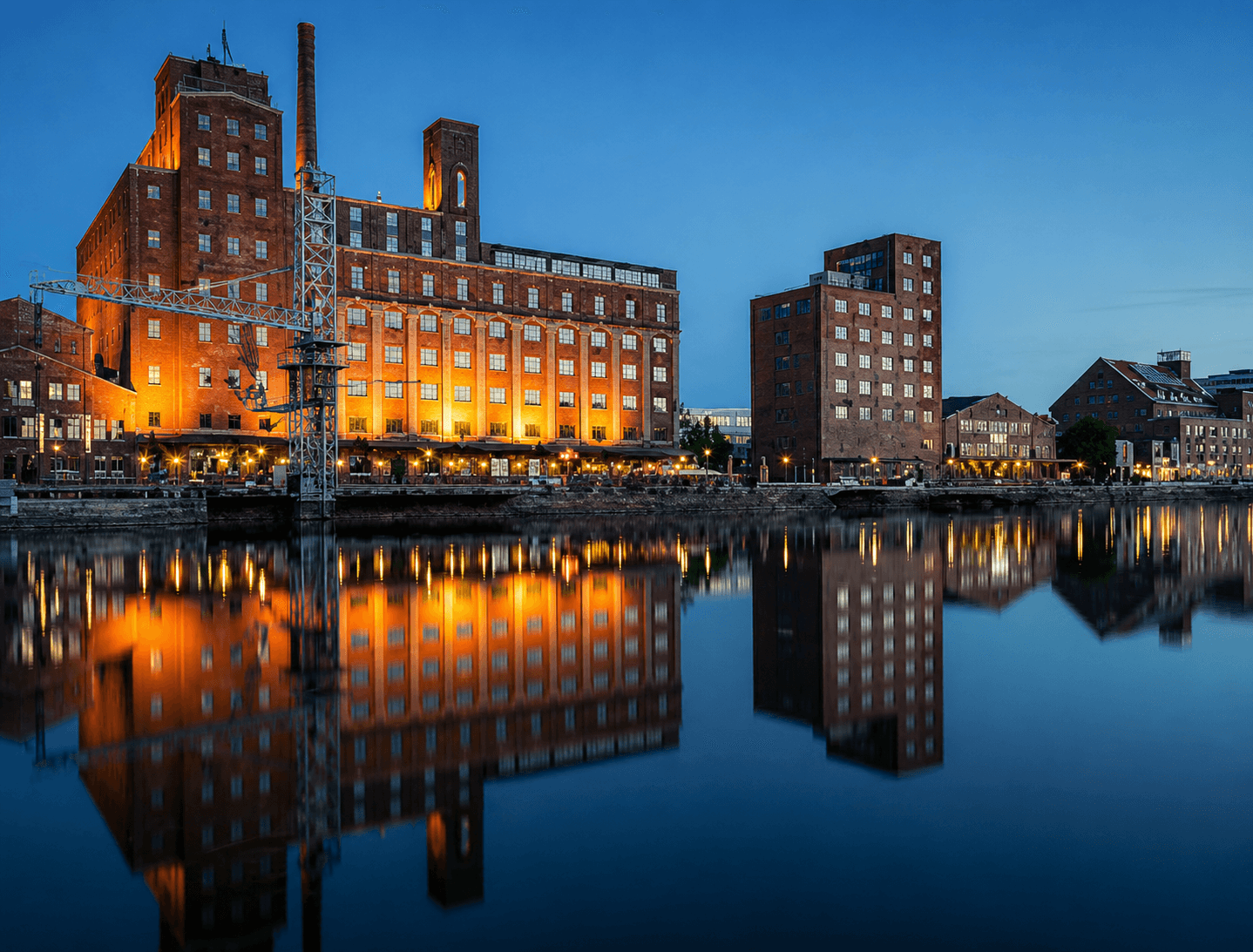
In recent months, Duisburg has taken significant steps in digitalization and governance. This blog analyzes how the city is modernizing its administration to become more transparent and efficient.
Digitalization and Governance in Duisburg: A Step into the Future
Amid the digital transformation and growing demands on public administration, Duisburg has made significant decisions in recent months to restructure its governance and digitalization. The goal is to make services for citizens more efficient, increase transparency in committees, and simultaneously improve working conditions in the public sector.
Digitalization: A Core Task of the Administration
Digitalization of the administration is no longer just a wish in Duisburg – it is part of strategic planning. The Online Access Act (OZG) has set clear requirements in this regard, and Duisburg has actively worked on its implementation. Currently, 2,809 LeiKa services are grouped into 208 OZG services, with a focus on prioritization. Examples of digitalized services include child benefit, identity card, and residence permits.
Another milestone is the introduction of the Speech Assistance System (VAS) in the Service Center Call Duisburg. This system is intended to handle simple inquiries via voice input and thus relieve employees. The live operation is planned for February 2026. In addition, an application for a comprehensive time-recording system was approved to document working hours more transparently and legally securely.
Governance: Transparent Committees and Processes
Governance in Duisburg is increasingly shaped by clear structures and transparent decision-making processes. New representatives have been appointed in the Steering Committee for the New Administration Building (NVG) to accompany the modernization process. In addition, minutes takers have been appointed in several committees, including the Committee for Personnel and Administration.
Another important topic is the digitalization of council work. Applications from Greens and The Left aim to integrate digital tools more strongly into committee work in order to promote citizen participation. In addition, changes in advisory committees and committees are planned after the local elections in 2025/2026 to improve representation.
Citizen Participation and Legal Issues
Duisburg has also moved forward in the area of citizen participation. A citizen initiative referendum was decided on the city's bid for the Olympic Games. The vote is planned for April 19, 2026, exclusively by postal ballot. The costs amount to around 580,000 €, with 85% covered by the state of North Rhine-Westphalia.
In other areas such as Christmas market safety or online appointment scheduling, inquiries have also been made to increase transparency and legal clarity. The city has relied on clear legal bases in this regard, such as the North Rhine-Westphalia Local Election Act or the Shop Opening Act.
Outlook: A Changed Administration for the Future
The developments in Duisburg show how a modern city must rethink and reshape its administration. Digitalization is not just a technical project here, but a strategic endeavor that influences the entire governance. At the same time, Duisburg is creating transparency in committees, promoting citizen participation, and setting impulses for an inclusive and modern administration.
In the coming months, it will become clear whether these measures will take effect – and whether Duisburg will remain a pioneer in digitalization and governance in North Rhine-Westphalia.
NeoSearch analyses public council documents, committee minutes and municipal announcements. Source references appear automatically once verified meeting data is available.
What does this mean for businesses?
Town halls, fire stations, depots and administrative buildings create early construction and refurbishment opportunities. Following council agendas reveals projects before they go to tender.
Track similar decisions in your region
Set up monitoring for public buildings & administration in Nordrhein-Westfalen — prefilled from this article.
Set up monitoring →More signals from Duisburg
Youth Policy in Duisburg: Development, Support, and Future Perspectives
In April 2026, Duisburg made key decisions in several meetings of the youth delegate, shaping the future viability and well-being of the city's younger generation. This blog article analyses the current youth policy, from funding models through structural development to inclusive leisure opportunities.
Read more → Duisburg's Urban Development in April 2026: Urban Transformation, Mobility, and Heritage Conservation
In April 2026, Duisburg made significant strides in urban development. Zoning plans, barrier-free mobility, and the restoration of historical sites were the main focus. This blog provides insights into the key decisions and their impact on the city's structure.
Read more → Duisburg's Social Policy in Focus: Health, Prevention, and Housing in April 2026
In April 2026, Duisburg focused on social policy with an emphasis on health promotion, addiction support, early intervention, and municipal assistance. An overview of the most important decisions, projects, and debates.
Read more →