Düsseldorf in March 2026: Mobility in Focus – Bicycles, 30 km/h Zones, and Traffic Calming
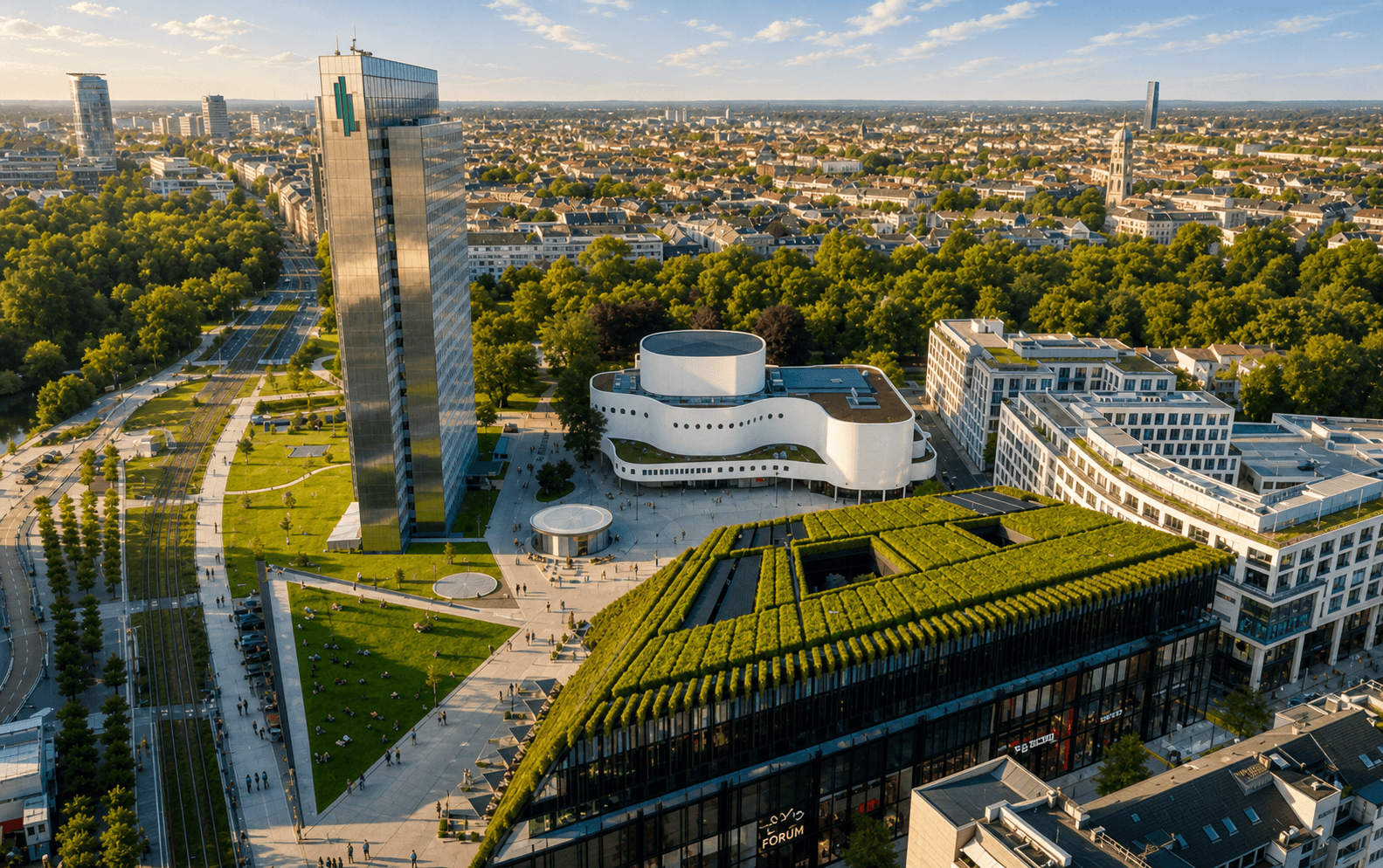
In March 2026, Düsseldorf continued its transformation in the field of traffic and mobility. From the expansion of the bicycle network to 30 km/h zones and parking space optimization – the city is implementing a wide range of measures to enhance safety, sustainability, and quality of life. In this in-depth blog, we analyze the most important decisions and trends from March 2026.
March 2026: Mobility in Düsseldorf in Transition
Düsseldorf has established itself in recent years as a pioneer in sustainable mobility. In March 2026, the city continued to focus on improving traffic conditions, strengthening cycling, and enhancing safety in public spaces with a variety of decisions and planning initiatives. These measures show how Düsseldorf is responding to the needs of its citizens, businesses, and tourist guests – while simultaneously pursuing its climate goals.
1. Bicycle Infrastructure: Expansion and Integration into Everyday Life
The expansion of bicycle infrastructure is a central element of Düsseldorf's mobility strategy. In March 2026, several projects were approved or put into planning to make cycling in the city more attractive and safer.
New Düsselbike Stations and Bike Rental System
In District 1, nine Düsselbike stations were approved to be constructed starting in June 2026. At the same time, the municipal bike rental system will launch in July 2026 with an initial fleet of 2,500 bicycles at around 400 stations. The digital integration into the Düsselbike app is a crucial step to specifically target commuters and tourists.
Barrier-free Access and Safety
When implementing bicycle paths in urban areas, greater attention is being paid to barrier-free access. For example, the Kikwegbrücke (100-meter bridge) will be included in the list of planned construction projects starting in 2027 to make it more accessible for wheelchair and bicycle traffic. In addition, the planning of bicycle parking facilities in underground garages in the old town and at the intersection of Adlerstraße/Beuthstraße was approved.
Problematic Routes and Deficiencies
In District 7, the ADFC identified 18 problem points in the bicycle network. The city plans to address these in three phases by 2026. Particularly problematic are missing bicycle lanes, too narrow lanes, and hazards from pedestrian traffic. The routes along Glashüttenstraße, Benderstraße, and Heyestraße are key projects in this effort.
2. 30 km/h Zones and Traffic Calming: Safety for Pedestrians and Children
The introduction of 30 km/h zones has long been a priority in Düsseldorf. In March 2026, several applications for traffic calming were approved, particularly in residential areas and near schools, to increase safety.
30 km/h on "An der Piwipp" and Worringer Straße
The proposal for 30 km/h on Worringer Straße from 6:00 p.m. to 6:00 a.m. was unanimously accepted. The goal is to reduce noise for the 470 households living there. Also approved was the introduction of 30 km/h on the street "An der Piwipp" to reduce the noise level from 69.2 dB(A).
School Safety
In the area of the GGS Richardstraße, a drop-off and pick-up zone was established to ease the parent taxi situation. In addition, markings, pictograms, and traffic signs were approved. In the Vennhauser Allee and on Gerresheimer Straße, crossing points will be marked and tactilely defined to increase child safety.
Traffic Calming in Gerresheim
In the district committee 7, a workshop with residents was conducted for a traffic study. The results are to be implemented in concrete measures to reduce through traffic. Particularly requested are bollards, zigzag markings, and the creation of parking zones.
3. Public Transport and Infrastructure: Expansion and Testing
Public transport has a high priority in Düsseldorf, and in 2026 it is being further expanded.
Subway Network: U80 and U81 in Operation
The commencement of the first construction phase of the U80 (Freiligrathplatz–Airport Terminal) was decided. This section is around 1.9 km long and will be integrated into the regular traffic plan. At the same time, the line U81 will be included in the plan. In the future, lines U80 and U78 will run every 10–15 minutes to further increase the attractiveness of public transport.
Traffic Management at Traffic Lights
Applications for optimizing traffic light sequences were approved at the Hülsmeyerplatz and at Oststraße/Immermannstraße. The aim is to improve coordination between left-turn traffic lights and pedestrian lights to increase safety.
Park and Ride (P+R)
The city continues to promote the combination of private cars and public transport. The Grabbeplatz will be expanded as a central P+R point to facilitate commuters' journeys into the city center.
4. Future of Mobility: Climate, Greening, and Digitization
Düsseldorf is focusing on more than just infrastructure – it is looking to the future of mobility and integrating climate protection, greening, and digitization into its planning.
Greening and Microclimate
In District 7, an application for the greening of the former schoolyard at Kalkumer Straße 85 was approved. The aim is to create a pocket park that not only serves as a green space but also improves the microclimate and promotes biodiversity.
Digitization of Mobility
The construction of the new Düsselbike stations is closely linked to digitization. The app is being expanded to enable commuters and tourists to use it optimally. At the same time, bicycle parking facilities are being reconsidered and made safer.
Summary and Outlook
March 2026 was an intense month for Düsseldorf's transport policy. The city is focusing on sustainable and safe mobility through 30 km/h zones, bicycle infrastructure, traffic calming, and the expansion of public transport. At the same time, it is paying attention to digitization, climate protection, and greening – topics that will become increasingly relevant in the future.
The coming months will show whether these measures will have the desired effect in practice and how citizens will respond to the new traffic regulations. For Düsseldorf, it's clear: mobility is not just traffic – it is quality of life, sustainability, and the future.
NeoSearch analyses public council documents, committee minutes and municipal announcements. Source references appear automatically once verified meeting data is available.
What does this mean for businesses?
Urban development, zoning plans and commercial settlements create early construction and supply opportunities. Following council decisions reveals projects before they go to tender.
Track similar decisions in your region
Set up monitoring for economic development in Nordrhein-Westfalen — prefilled from this article.
Set up monitoring →More signals from Duesseldorf
Educational Policy in Düsseldorf: Safety, Capacity, and Innovation in Focus
In April 2026, educational policy in Düsseldorf focused on safety issues, capacity expansion at special needs schools, and innovative projects to prevent school avoidance. The School Committee addressed central challenges and reform approaches that will shape the future of the educational system in the state capital.
Read more → Youth Policy in Düsseldorf: Focus on Psychosocial Support, Democracy, and Poverty Reduction in April 2026
In April 2026, Düsseldorf has taken several key steps in youth policy. From psychosocial support for young people to the implementation of democracy projects and the fight against child poverty: The Youth Welfare Committee is setting impulses for a resilient and livable city for young people.
Read more → Düsseldorf's Integration and Housing Policy in April 2026: Focus on Participation, Antiracism, and Legal Security
In an intense April 2026, Düsseldorf took decisive steps in integration and social policy. The focus was on issues such as antiracism, linguistic and social integration, legal security in homeless shelters, and the strengthening of migrant organizations. The Committee for Equal Opportunities and Integration made key decisions that will shape future policy.
Read more →