Düsseldorf: Governance and Administration in March 2026 – Structural Decisions and Citizen-Centric Action
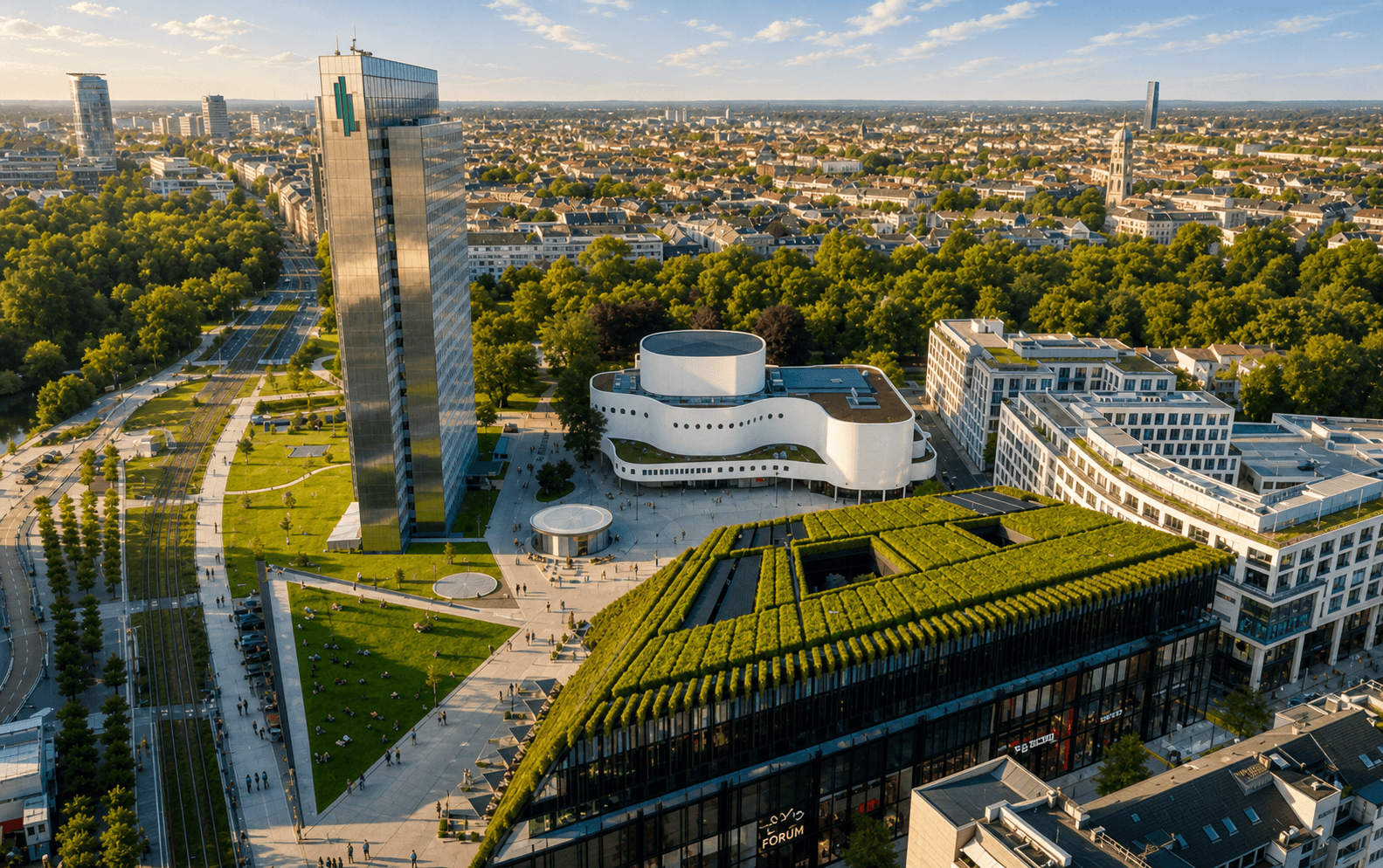
In March 2026, Düsseldorf focused on numerous decisions in the field of governance and administration. These included budget discussions, administrative restructuring, citizen participation models, and initiatives for citizen-centric policy. This blog provides insights into the current developments and their impact on the city and its citizens.
Governance and Administration in Düsseldorf: Decisions and Structures in March 2026
In March 2026, a wide range of topics in the field of governance and administration were addressed in Düsseldorf, covering both structural and citizen-oriented aspects. From the draft budget to the establishment of citizen participation models and changes in administrative organization – the political committees engaged intensively with the future of local administration.
Budget 2026: Security, Infrastructure, and Funding
The 2026 budget was at the center of several committee and district council meetings in March. Particularly noteworthy is the approval of funding for the Doppische Products Budget for the fire department, emergency services, and civil protection. This plan includes, among other things, changes to the waste fee calculation and investments in street cleaning.
In addition, a total of 12,355.92 euros were allocated for cultural and social projects, including events such as senior tea dances, district festivals, and exhibitions. These funds highlight the role of the administration as a promoter of cultural diversity and social integration.
Citizen Participation and Administrative Modernization
A central point was the establishment of Small Commissions, which are intended to contribute to better citizen participation. These committees, composed of representatives from all political parties, serve exclusively for exchange and not for decision-making. Furthermore, the inclusion of citizens in such structures is explicitly possible, which strengthens the approach of participatory democracy.
Another focus was the optimization of meeting organization. Public agenda items such as budget drafts and reports on staffing plans are to be designed more transparently, while sensitive topics such as personnel matters will continue to be discussed in non-public sessions.
Structural Reforms and Governance Models
The application of the so-called "Construction Turbo" (a novelty in the Building Code) was decided to accelerate the housing construction process. At the same time, criticisms regarding nature conservation and affordable housing became apparent, which is why Strategic Environmental Assessments (SEA) were requested. The application of the Construction Turbo remains district-specific and requires the approval of the district councils.
In addition, the requirement for approval in the Building Code amendment was used to strengthen municipal control. Quality assurance through workshops and advisory sessions in the Building Culture Advisory Board was highlighted as a central part of the process.
Communication and Transparency
The public meeting of the district council on 19.03.2026 in the city hall plenary hall was an example of the city's efforts to give citizens access to political decision-making processes. The session was broadcast live and provided space for questions on topics such as New Year's Eve waste, carnival season, and the gas network.
Another important element is the digital recording of public services such as baby-changing facilities in the city's map portal maps.duesseldorf.de. This measure promotes transparency and improves accessibility for families.
Outlook: Governance as a Dynamic Instrument
The decisions of March 2026 show that governance in Düsseldorf is not static, but adapts to changing requirements. Strengthening citizen-oriented structures, modernizing the administration, and clear financial planning are central elements that will shape the city's future.
The challenge in the coming months is not only to establish these structures but also to actively use them to sustainably improve the quality of life for Düsseldorf residents.
NeoSearch analyses public council documents, committee minutes and municipal announcements. Source references appear automatically once verified meeting data is available.
What does this mean for businesses?
Town halls, fire stations, depots and administrative buildings create early construction and refurbishment opportunities. Following council agendas reveals projects before they go to tender.
Track similar decisions in your region
Set up monitoring for public buildings & administration in Nordrhein-Westfalen — prefilled from this article.
Set up monitoring →More signals from Duesseldorf
Educational Policy in Düsseldorf: Safety, Capacity, and Innovation in Focus
In April 2026, educational policy in Düsseldorf focused on safety issues, capacity expansion at special needs schools, and innovative projects to prevent school avoidance. The School Committee addressed central challenges and reform approaches that will shape the future of the educational system in the state capital.
Read more → Youth Policy in Düsseldorf: Focus on Psychosocial Support, Democracy, and Poverty Reduction in April 2026
In April 2026, Düsseldorf has taken several key steps in youth policy. From psychosocial support for young people to the implementation of democracy projects and the fight against child poverty: The Youth Welfare Committee is setting impulses for a resilient and livable city for young people.
Read more → Düsseldorf's Integration and Housing Policy in April 2026: Focus on Participation, Antiracism, and Legal Security
In an intense April 2026, Düsseldorf took decisive steps in integration and social policy. The focus was on issues such as antiracism, linguistic and social integration, legal security in homeless shelters, and the strengthening of migrant organizations. The Committee for Equal Opportunities and Integration made key decisions that will shape future policy.
Read more →