Urban Development in Bielefeld: March 2026 – Where Are We?
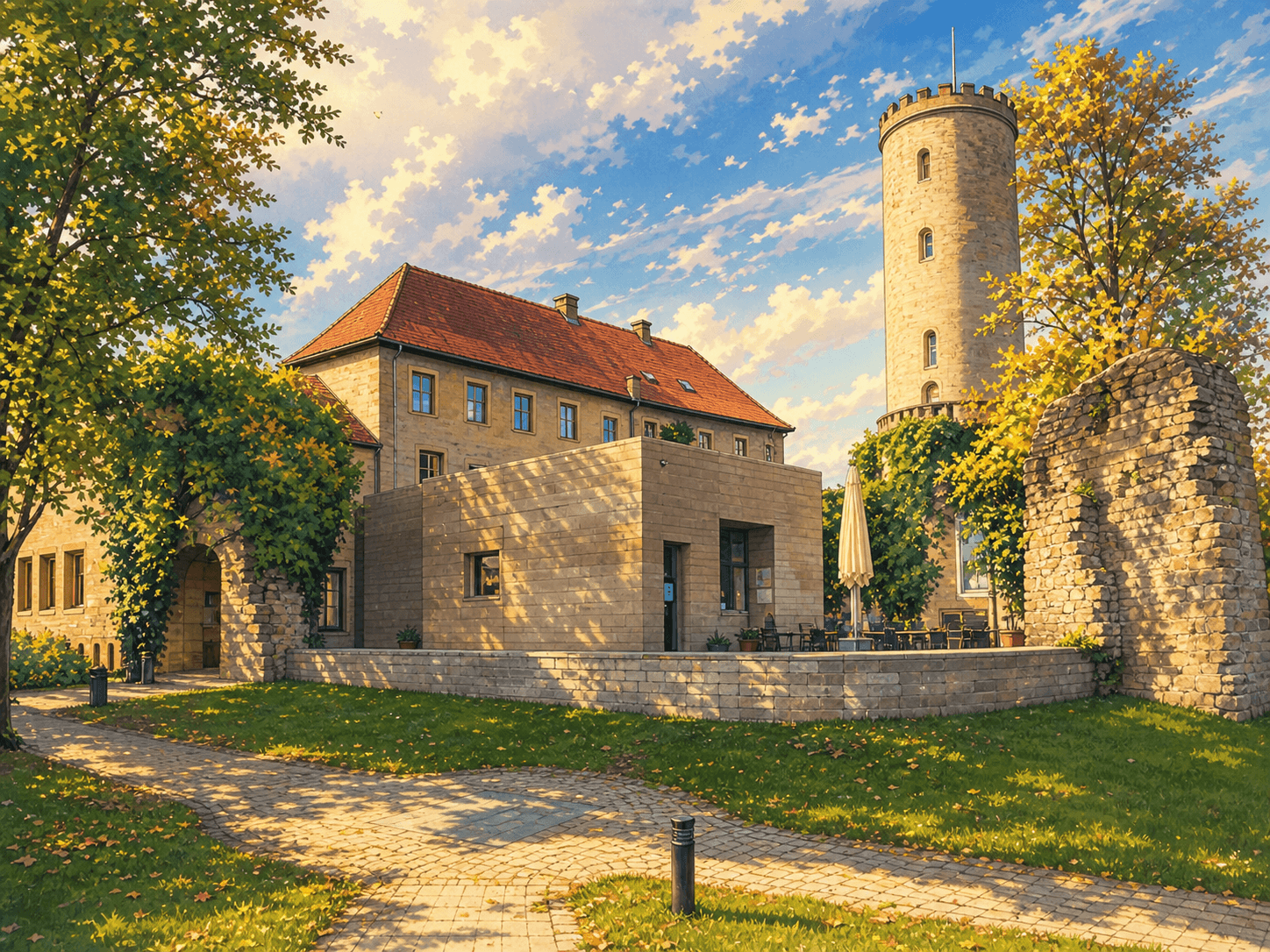
In March 2026, Bielefeld focused on numerous decisions and initiatives in the field of urban development. Alongside the debate on social housing and transport planning, the city also discussed its future construction strategy. An overview of the most important developments.
Urban Development in Bielefeld: March 2026 – Where Are We?
Urban development is a central component for the future viability and quality of life in a city. In March 2026, Bielefeld engaged in intense discussions on topics such as social housing, transport planning, neighborhood development, and construction processes. The Urban Development Committee made decisive decisions that will shape the cityscape in the coming years.
Social Housing and Neighborhoods
A central topic was the securing of social housing. The joint proposal from the SPD, the Greens, and The Left on the introduction of rent and occupancy controls was discussed in the first reading. Although the proposal received broad support, the path to final implementation remains long.
Equally controversial was the development of the "Buschbachtal" neighborhood. The proposal from The Left for a new neighborhood plan was rejected by the majority. The justification: lack of feasibility and consensus. Instead, the city focused on concrete neighborhood developments in existing areas such as Heepen, Jöllenbeck, and Mitte.
Transport Planning and Mobility
The debate on the abolition of the so-called bike lane and the expansion of the road infrastructure was another hot topic. The FDP's proposal for a "more efficient road usage" was discussed in the first reading. At the same time, projects such as the underground bicycle garage at the central train station remained in the implementation phase. This project, based on a former bunker, is heavily dependent on funding and negotiations with Deutsche Bahn. Without an extension of the project timeline, the realization by 2028 is at risk.
In addition, a unanimous decision was made to join the OWL S-Bahn. This step is a milestone for regional transport integration and could increase Bielefeld's attractiveness as a place to live and work in the long term.
Construction Processes and Accelerated Planning
In March 2026, the "Bau-Turbo-Gesetz" (Construction Turbo Law) came into effect, aiming to accelerate approval procedures for new housing projects. Bielefeld decided unanimously to apply the law. This could significantly shorten construction times for new projects and relieve the housing market.
Numerous zoning plans were discussed and approved during this time—especially in Brackwede, Heepen, Jöllenbeck, and Mitte. Particularly noteworthy is the zoning plan III/O 17 in Heepen, which provides for 230 housing units, including 33% subsidized housing. The planning is part of the city's land use strategy and aims at sustainable densification. At the same time, several neighborhood planning projects were discussed in the district of Mitte, including the Jahnplatz and the area around the Obernstraße.
Outlook: Urban Development in Motion
The decisions of March 2026 show Bielefeld as a city in transition. The debates on social housing, neighborhood development, and mobility reflect the challenges of urban development. At the same time, the accelerated procedures and concrete planning demonstrate that Bielefeld is ready to actively commit to a vibrant and sustainable urban development.
What remains is the question: How can the various interests—from politics, business, and the public—be better integrated into the planning processes in the coming years? The answer to this will largely determine whether Bielefeld remains a livable and future-oriented city in the 21st century.
NeoSearch analyses public council documents, committee minutes and municipal announcements. Source references appear automatically once verified meeting data is available.
What does this mean for businesses?
Urban development, zoning plans and commercial settlements create early construction and supply opportunities. Following council decisions reveals projects before they go to tender.
Track similar decisions in your region
Set up monitoring for economic development in Nordrhein-Westfalen — prefilled from this article.
Set up monitoring →More signals from Bielefeld
Bielefeld's Kita Landscape: Structural Adjustments and Challenges in the Second Quarter of 2026
In May and June 2026, fundamental decisions about the future of the city's childcare facilities are set to be made in Bielefeld. Due to oversupply and demographic change, the administration plans closures and group reductions. At the same time, the focus will be strengthened on the quality of care, including nutrition and early childhood education.
Read more → Bielefeld's Environmental Services: Price Reforms, Budgets, and Climate Protection in Focus
In the second quarter of 2026, Bielefeld's Environmental Services made far-reaching price changes to adapt to rising costs. At the same time, the 2025 budgets were presented — a mix of surpluses and deficits. In this in-depth blog post, we analyze the background, effects, and goals of these decisions.
Read more → Bielefeld's Economic Strategy in the Restoration of the Kunsthalle
In the second half of 2026, the general restoration of the Kunsthalle Bielefeld came into the economic policy focus of the city. The Economic Promotion and Participation Committee engaged intensively with the financial and institutional implementation – also considering long-term economic promotion through culture.
Read more →