Bielefeld's Environmental Services: Price Reforms, Budgets, and Climate Protection in Focus
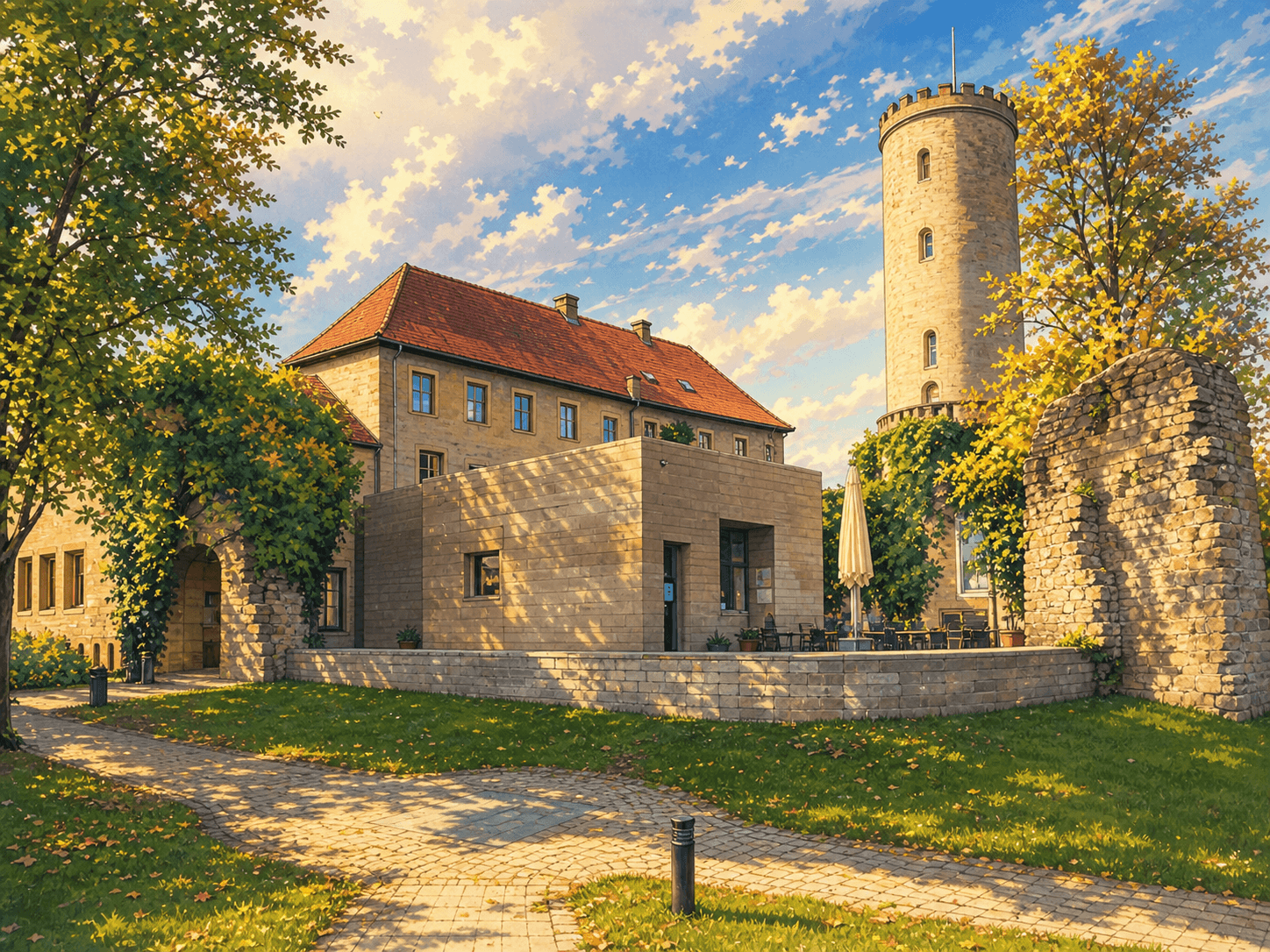
In the second quarter of 2026, Bielefeld's Environmental Services made far-reaching price changes to adapt to rising costs. At the same time, the 2025 budgets were presented — a mix of surpluses and deficits. In this in-depth blog post, we analyze the background, effects, and goals of these decisions.
Price Reforms in the Environmental Services: Rising Costs, Rising Fees
In May and June 2026, Bielefeld's Environmental Services implemented comprehensive adjustments to the fee schedule for services such as waste disposal, street cleaning, urban drainage, and waste depot usage. The reforms are due to rising personnel and disposal costs that have accumulated over several years, with most fee rates remaining unchanged for over a decade.
The most significant changes affect the fees for bulky waste delivery. While the previous rate was 10.00 €/m³, the new fee is 43.00 €/m³ — an increase of over 300 percent. The aim is to create incentives for proper waste disposal and to prevent waste tourism. At the same time, the list of deliverable waste has been expanded, with clear distinctions made between commercial and non-commercial deliveries.
Changes also apply to bulky waste collection. The fee tiers have been extended up to 16 m³, eliminating the "large order" category. The basic rate for up to 4 m³ remains at 28 €. Additionally, a surcharge of 50 € is applied for the express service (within two working days).
Criticism of the fee levels was already expressed before implementation. One proposal had suggested a moderate adjustment in line with general inflation, but the reform now focuses on significant price increases to ensure long-term financial stability.
2025 Budget: Surpluses and Deficits Balance Out
In June 2026, the Environmental Services presented the 2025 budget. The total annual surplus amounted to 5,586,795.11 €, mainly driven by urban drainage, which achieved a significant surplus of 24,059,052.10 €. In contrast, the operating divisions Urban Green (-15,762,936.57 €) and Street Cleaning (-4,171,188.39 €) were in deficit.
Financing was achieved through internal balancing mechanisms: The surpluses from urban drainage largely covered the losses in other areas. Additionally, a portion of the profit is transferred to the city's budget. In 2025, 2,794,000 € will be transferred to the city, and a further 2,792,795.11 € will be allocated to the operational reserve fund.
The budget is audited annually by the auditing firm Rödl und Partner. The balance sheet total increased in 2025 to 743,531,077.41 €.
The results show that the Environmental Services are financially stable, but also highlight weaknesses in certain areas. Street cleaning and the maintenance of green spaces remain challenges, which are cushioned by the surpluses from urban drainage.
Climate Protection and Sustainability in Practice
In addition to purely economic aspects, the city of Bielefeld has also strengthened sustainability measures in the second quarter of 2026. The Clean Up Day, which has been held annually since 2023, has been expanded with additional equipment and more personnel.
Daily cleaning is now carried out in the city center, including on weekends and public holidays. Pedestrian zones are cleaned from 6:00 a.m. using hand cleaning crews and sweeping machines. Waste bins are emptied twice daily from Monday to Saturday, and once on Sundays in the morning.
The city has also invested more in public relations, especially in kindergartens and primary schools, to promote waste awareness. In addition, infrastructures such as facades and streetlights are being coated with graffiti-resistant protective layers to facilitate cleaning work.
At large events, it is now mandatory to provide waste containers and to clean the area after the event. This model aims to prevent the city from being solely responsible for cleaning and instead actively involves event organizers.
Conclusion: On the Way to a Sustainable City
The decisions made in the second quarter of 2026 show how Bielefeld is dealing with rising costs and growing demands for sustainability. The price adjustments in the Environmental Services are necessary to remain financially viable, and the 2025 budget confirms that the operation is fundamentally stable.
At the same time, the city has shown through measures such as the Clean Up Day, daily city center cleaning, and the promotion of waste awareness among the population that it is committed to implementing climate protection not only in theory, but also in practice.
Although the price increases may be unpleasant for some residents, they are part of a necessary adjustment to new realities. In the future, it will be important to maintain the balance between financial stability and social acceptance — and to continue seeking solutions that benefit both the environment and the population.
NeoSearch analyses public council documents, committee minutes and municipal announcements. Source references appear automatically once verified meeting data is available.
What does this mean for businesses?
Municipal council decisions are early indicators: following the council agenda surfaces projects and tenders months before the official award — before they ever reach the procurement portals.
Track similar decisions in your region
Set up monitoring for Energy and Utilities in Nordrhein-Westfalen — prefilled from this article.
Set up monitoring →More signals from Bielefeld
Bielefeld's Kita Landscape: Structural Adjustments and Challenges in the Second Quarter of 2026
In May and June 2026, fundamental decisions about the future of the city's childcare facilities are set to be made in Bielefeld. Due to oversupply and demographic change, the administration plans closures and group reductions. At the same time, the focus will be strengthened on the quality of care, including nutrition and early childhood education.
Read more → Bielefeld's Economic Strategy in the Restoration of the Kunsthalle
In the second half of 2026, the general restoration of the Kunsthalle Bielefeld came into the economic policy focus of the city. The Economic Promotion and Participation Committee engaged intensively with the financial and institutional implementation – also considering long-term economic promotion through culture.
Read more → Education Policy in Bielefeld: Inclusion, Full-Day Schools, and Cultural Offerings in Focus
In the second quarter of 2026, Bielefeld prioritized decisions on school development planning, the promotion of inclusive educational offerings, and the renovation of the Kunsthalle (Art Hall). This blog analyzes the political debates, financial structures, and future challenges in the areas of education and public institutions.
Read more →