Culture and Community in Bielefeld: How the City Shapes Cultural Futures in March 2026
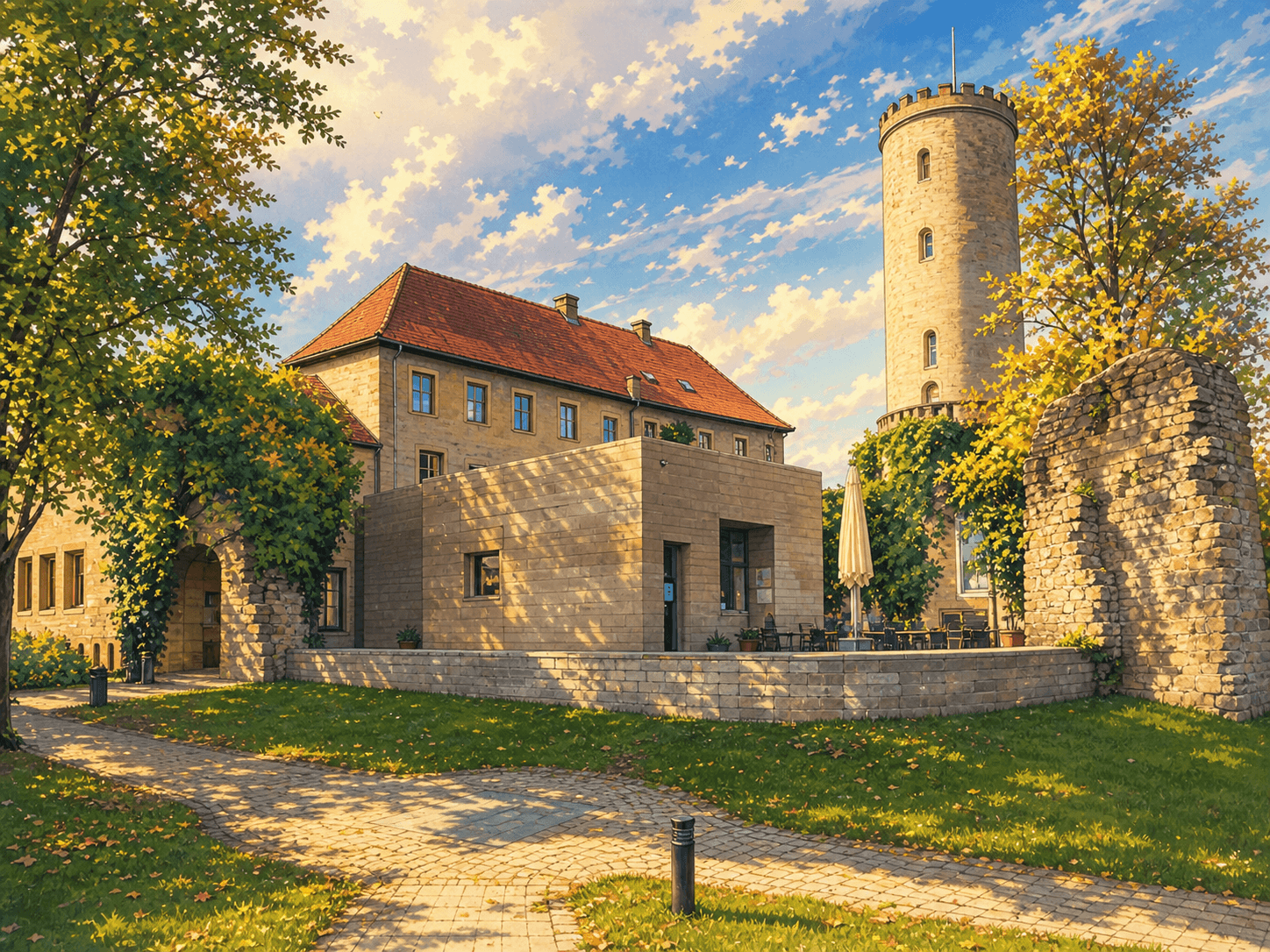
In March 2026, the city of Bielefeld engaged deeply with the future of its cultural landscape. The Cultural Committee decided on numerous measures to stabilize and further develop cultural policy – from funding to event planning and barrier-free accessibility. This deep dive shows how Bielefeld strengthens cultural diversity and community.
Culture as a Stability Anchor – Bielefeld’s Cultural Policy in March 2026
In a time when cultural offerings are increasingly under economic and social pressure, Bielefeld took decisive steps in March 2026 to secure and strengthen the city's cultural identity. In its meeting on March 4, 2026, the Cultural Committee decided on a wide range of measures affecting the entire cultural space – from classical theaters and festivals to barrier-free city tours. These decisions show how Bielefeld is trying to establish culture not only as an artistic offering, but as a social stability anchor.
Funding and Support: Security for the Independent Cultural Scene
A central point of the March meeting was the securing of funding for the independent cultural scene. The Cultural Committee decided on an emergency fund that is intended to provide short-term financial support in times of crisis. This is a decisive step to protect smaller cultural actors – such as AlarmTheater or Theaterlabor – from economic risks. In addition, specific support contributions for the years 2025–2028 were decided, which increase the long-term planning ability of cultural actors.
The Fairstival also benefits from these measures: it received 6,000 € from the 2026 project funding – albeit under clear conditions such as transparent documentation and target group analysis. These conditions show that the city of Bielefeld is not only interested in financial support, but also in structural support for cultural projects, with a strong interest in sustainability and effectiveness.
Events: From Dance Festivals to Barrier-Free City Tours
The city is relying on a broad cultural spectrum that includes both classical and experimental formats. Thus, a re-conceptualization process for the Bielefeld Dance Festival was initiated, with the program department taking over concrete implementation. In addition, the Fairstival is not only seen as a cultural event, but also as a sustainability real lab and educational platform, making it a central lever for networking and social dialogue.
Another focus was on barrier-free accessibility. The hybrid city tour "bonuswissen. Stadtgeschichte Bielefeld" is now being optimized for wheelchair users and people with visual impairments – through QR codes, Braille signs and reading functions. Such initiatives show that Bielefeld not only thinks culturally, but also inclusively.
Structural Adjustments and Future Security
The city has also decided on structural changes to ensure long-term viable cultural offerings. A Cultural Marketing Advisory Board was established, which, among other things, advises on revenue distribution at major events. Criticism of the current distribution – especially for small cultural actors – led to reform proposals coming into focus.
Another milestone was the founding of Stalag 326 e.V., in which the city participates financially with 10,000 € annually. This shows how Bielefeld also integrates historical and remembrance aspects into its cultural work.
Forward-Looking: How Bielefeld Shapes Cultural Futures
The decisions of the Cultural Committee show that Bielefeld is consciously investing in the future. With the planning competition for the Ravensberger Park, not only a green area is being designed, but also the opportunity is created to secure large cultural events such as the Wackelpeter Festival in the long term. In addition, climate protection aspects are explicitly considered in the competition process – another step towards sustainable cultural policy.
The city is also investing in cultural education and youth work by providing additional funds for community projects and partner schools. This is not only an investment in youth, but also in the future of cultural participation in Bielefeld.
Conclusion: Culture as a Social Glue
The decisions of the Cultural Committee in March 2026 show that Bielefeld understands culture not as a luxury, but as a necessary part of a vibrant urban society. By investing in the independent cultural scene, barrier-free offerings and structural reforms, the city is trying to make culture accessible, inclusive and sustainable. In a time when cultural offerings are increasingly having to make concessions, Bielefeld is a model of how cities can actively promote and protect cultural diversity.
NeoSearch analyses public council documents, committee minutes and municipal announcements. Source references appear automatically once verified meeting data is available.
What does this mean for businesses?
Municipal council decisions are early indicators: following the council agenda surfaces projects and tenders months before the official award — before they ever reach the procurement portals.
Track similar decisions in your region
Set up monitoring for Culture and Community in Nordrhein-Westfalen — prefilled from this article.
Set up monitoring →More signals from Bielefeld
Bielefeld's Kita Landscape: Structural Adjustments and Challenges in the Second Quarter of 2026
In May and June 2026, fundamental decisions about the future of the city's childcare facilities are set to be made in Bielefeld. Due to oversupply and demographic change, the administration plans closures and group reductions. At the same time, the focus will be strengthened on the quality of care, including nutrition and early childhood education.
Read more → Bielefeld's Environmental Services: Price Reforms, Budgets, and Climate Protection in Focus
In the second quarter of 2026, Bielefeld's Environmental Services made far-reaching price changes to adapt to rising costs. At the same time, the 2025 budgets were presented — a mix of surpluses and deficits. In this in-depth blog post, we analyze the background, effects, and goals of these decisions.
Read more → Bielefeld's Economic Strategy in the Restoration of the Kunsthalle
In the second half of 2026, the general restoration of the Kunsthalle Bielefeld came into the economic policy focus of the city. The Economic Promotion and Participation Committee engaged intensively with the financial and institutional implementation – also considering long-term economic promotion through culture.
Read more →