Comprehensive Renovation of the Kunsthalle Bielefeld – Culture and Community in Focus
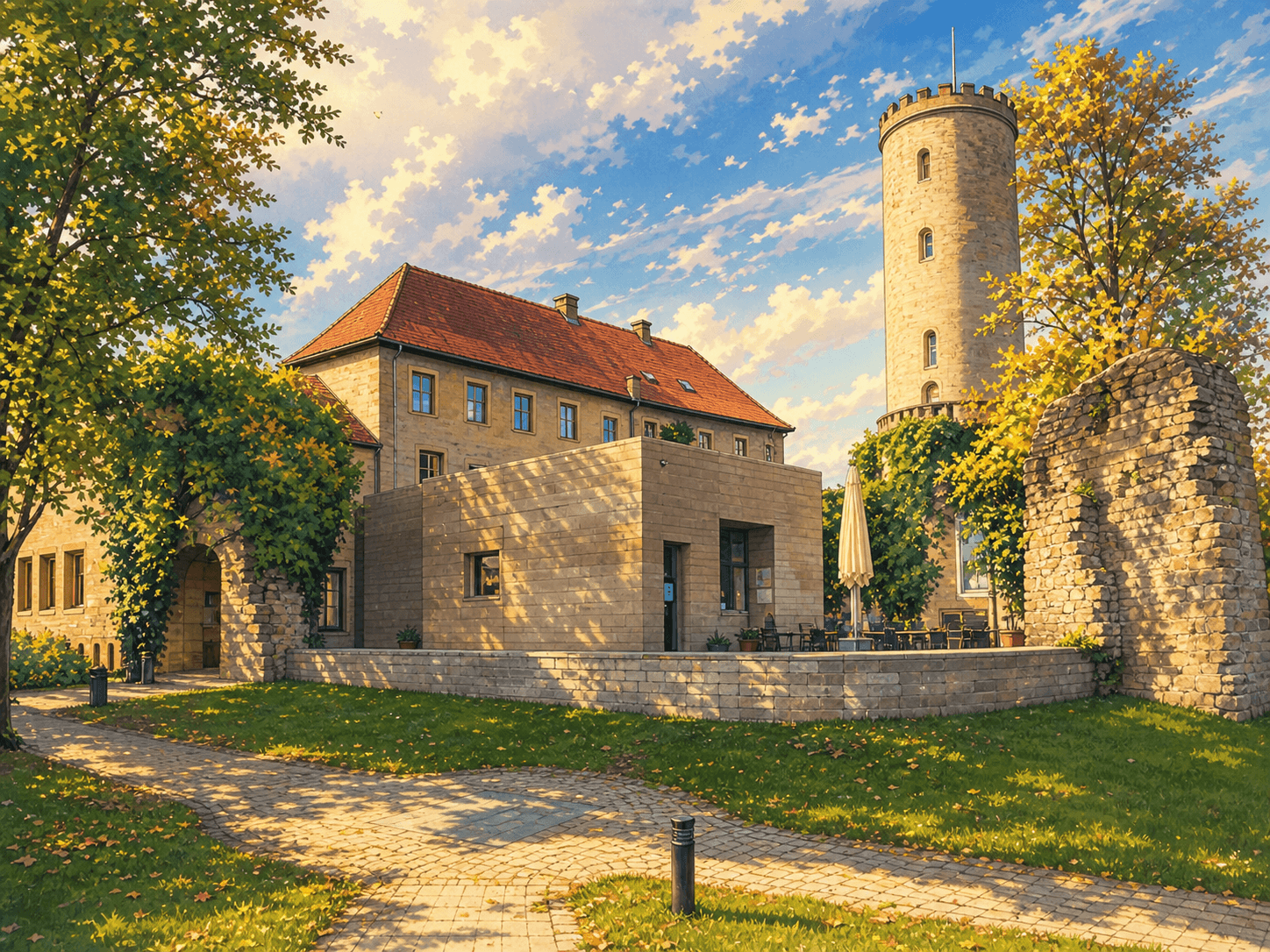
Between May and June 2026, Bielefeld took decisive steps for the future of the Kunsthalle. With a budget of 40.5 million euros and the preferred renovation option C, the city has set a clear course for a sustainable and future-oriented cultural institution.
Comprehensive Renovation of the Kunsthalle Bielefeld – Culture and Community in Focus
The Kunsthalle Bielefeld is not only a post-war modernist architectural landmark but also a central cultural venue in the region. In the meetings held in May and June 2026, it was unanimously decided (with some abstentions) that the Kunsthalle will undergo a comprehensive general renovation. The goal is to optimize museum operations, address space shortages, and expand exhibition areas – all in service of a modern, year-round institution.
Renovation Options and Budget
The planning process included four possible renovation options, with Option C – a renovation of the existing structure without expansion – selected as the preferred choice. It is not only cost-effective but also environmentally friendly and financially feasible. The budget for the renovation amounts to 40.5 million euros, including additional funds for spaces and external user consultation.
The costs could vary by approximately 30%, prompting the city to strategically acquire funding from regional, federal, and EU levels. An architectural firm has already been commissioned – Caruso St John Architects – and the second reading of the renovation decision is scheduled for June 11, 2026.
Functional and Structural Requirements
The renovation will not only be aesthetically significant, but above all functional and technically comprehensive. The aim is to create flexible exhibition spaces and modern areas for education and events. This includes renovating the building envelope, modernizing electrical and fire protection systems, and installing a photovoltaic system.
In addition, the library will be restructured to make it usable for museum pedagogy and administration. Thus, the renovation is not only a step towards preserving the architectural heritage but also a significant impulse for the cultural future of Bielefeld.
Political and Cultural Discussions
Discussions about the renovation of the Kunsthalle showed how deeply cultural institutions are embedded in urban society. Christina Végh, director of the Kunsthalle, emphasized that politics has a clear responsibility to shape the future of the Kunsthalle in dialogue with the city's society.
The preferred Option C follows the principle of sustainable cultural development – it secures museum operations without placing a heavy burden on the municipal budget. Additionally, the option for future expansions remains open, should funding be secured.
Outlook and Further Planning Process
By the end of 2026, a target concept with reliable foundations and an updated cost calculation is to be submitted. A working group consisting of politics, administration, Kunsthalle, and architects will accompany the process.
The future of the Kunsthalle as a "third place" – a central meeting point for a diverse city society – is a central concern. Museums like the Kunsthalle fulfill not only cultural but also democratic and educational functions.
Previous Developments
In March 2026, Bielefeld decided on comprehensive measures to strengthen cultural identity, including an emergency fund for the independent cultural scene, structural adjustments, and barrier-free offerings. The aim is to establish culture as a social stabilizer and a sustainable investment in the future.
Conclusion
The comprehensive renovation of the Kunsthalle Bielefeld is a milestone for the city's cultural development. It underlines the importance of culture as a social anchor and shows how politics and administration can jointly provide sustainable solutions. With a clear budget framework, a balanced renovation option, and a detailed planning structure, Bielefeld has set a sustainable course – for the Kunsthalle of today and tomorrow.
NeoSearch analyses public council documents, committee minutes and municipal announcements. Source references appear automatically once verified meeting data is available.
What does this mean for businesses?
Municipal council decisions are early indicators: following the council agenda surfaces projects and tenders months before the official award — before they ever reach the procurement portals.
Track similar decisions in your region
Set up monitoring for Culture and Community in Nordrhein-Westfalen — prefilled from this article.
Set up monitoring →More signals from Bielefeld
Bielefeld's Kita Landscape: Structural Adjustments and Challenges in the Second Quarter of 2026
In May and June 2026, fundamental decisions about the future of the city's childcare facilities are set to be made in Bielefeld. Due to oversupply and demographic change, the administration plans closures and group reductions. At the same time, the focus will be strengthened on the quality of care, including nutrition and early childhood education.
Read more → Bielefeld's Environmental Services: Price Reforms, Budgets, and Climate Protection in Focus
In the second quarter of 2026, Bielefeld's Environmental Services made far-reaching price changes to adapt to rising costs. At the same time, the 2025 budgets were presented — a mix of surpluses and deficits. In this in-depth blog post, we analyze the background, effects, and goals of these decisions.
Read more → Bielefeld's Economic Strategy in the Restoration of the Kunsthalle
In the second half of 2026, the general restoration of the Kunsthalle Bielefeld came into the economic policy focus of the city. The Economic Promotion and Participation Committee engaged intensively with the financial and institutional implementation – also considering long-term economic promotion through culture.
Read more →