Bielefeld Monthly Blog February 2026 – What's Happening in the Region
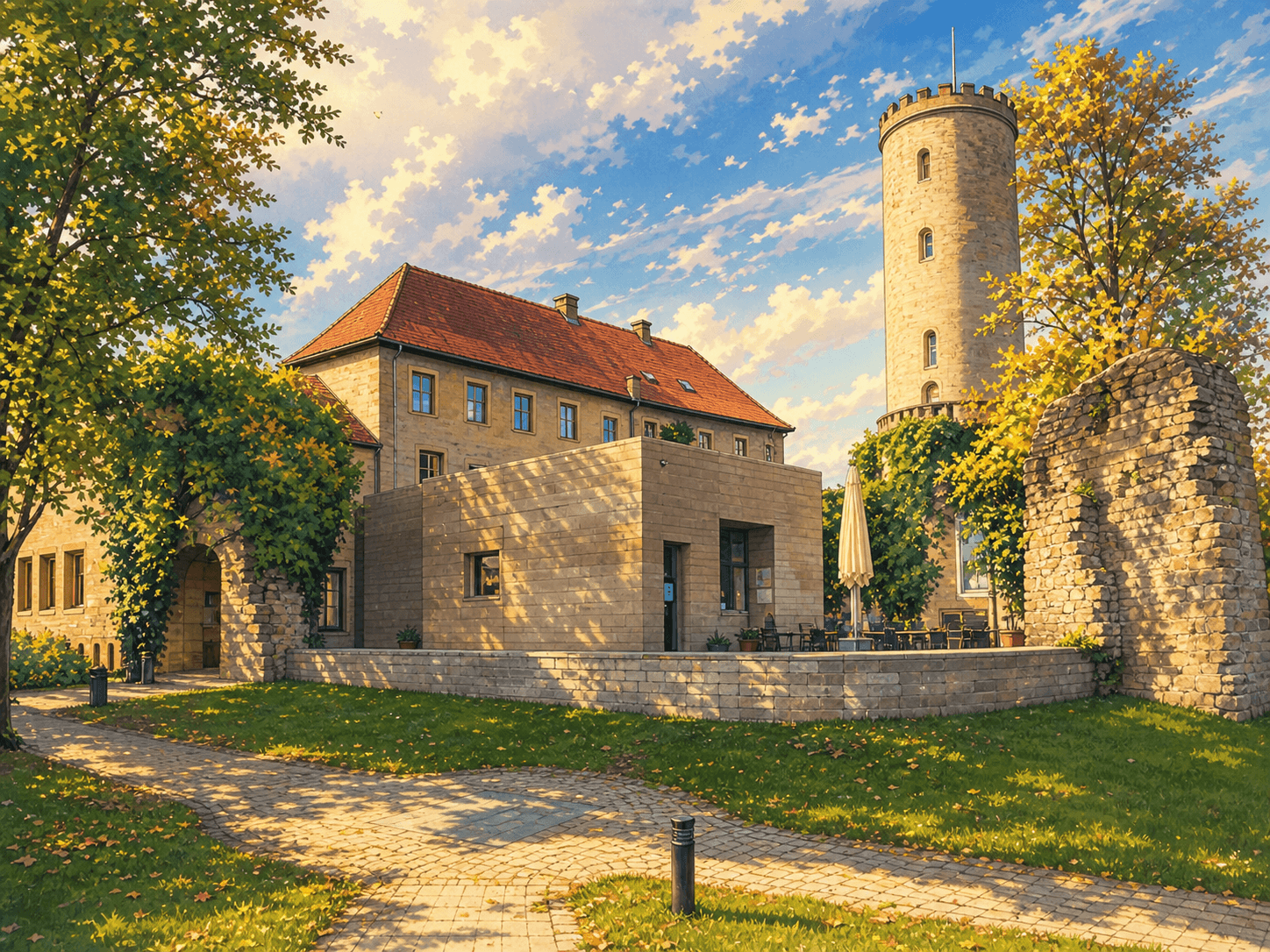
An overview of the most important decisions and developments in Bielefeld in February 2026.
What was important this month
- New funding program for democratic projects: Up to 50 projects can be supported annually with up to 3,000 euros.
- Further changes to zoning plans: Solar park, retail control measures, and new schools in planning.
- Speed limit 30 request in Theesen: Citizens have asked for increased road safety.
- Climate protection goals clarified: Energy neutrality by 2045 and 20% renewable energy by 2030.
- Digitalization in focus: New positions, influencer marketing, and digital meeting procedures.
- Daycare places in redistribution: New planning and rejections due to current childcare situation.
Finance & Budget: How the city is managing money
Bielefeld’s budget remains under pressure. A budgetary restriction remains in place until the city covers 37.4 million euros in reduced expenses from 2025. In parallel, a new funding program for democratic projects has been established, offering up to 3,000 euros in support for up to 50 initiatives per year.
Another key focus was daycare financing. Due to the KiBiz reform, Bielefeld expects a relief of about two million euros in 2027. For 2026, the child allowance already amounts to 174.97 million euros. In addition, a trainee exchange pilot project with ten training positions has been approved, in cooperation with the IHK, Chamber of Crafts, and local companies.
Urban Development & Construction Planning: What's coming to Bielefeld?
February brought several changes to zoning plans that will shape the city’s development in the coming years. Concrete plans were decided for the solar park in Im Bargfelde (45.1) and Mittelstraße (III/4/57.00). Additionally, a new daycare center construction is planned in Sennestadt, but has been postponed due to the current childcare situation.
Two schools will receive new spaces in the coming years: the Brake Primary School will be expanded with an after-school program and its own sports hall (completion by late 2027/early 2028), and the Brüder-Grimm Primary School Sennestadt will receive a new building with environmentally friendly technologies such as geothermal energy, photovoltaics, and green roofs.
Climate & Environment: Bielefeld on the way to energy neutrality
The city has set itself the goal of being energy-sustainable by 2045. By 2030, 20% of the energy demand should come from renewable sources. In 2023, 7,165.6 tons of CO₂ equivalents were recorded, with 87% of that coming from the vehicle fleet and wastewater treatment plants.
The Cleanup Day is planned for March 2026, promoting commitment to a clean city. The Climate Advisory Board also supports projects such as “Building Blocks for Climate Protection with Bielefeld Agriculture” with 40,300 euros in funding. In addition, it has been decided to integrate municipal heat planning into the community planning process.
Cross-topic: Digital Future and Climate Protection – Two Paths, One Goal?
In February 2026, it became evident that Bielefeld is not only active in the climate issue but also in the field of digitalization. The Corporate Influencer Program and the implementation of a digital meeting service show that the city is investing in innovation. At the same time, energy neutrality by 2045 is being pursued as a strategic goal. Both developments – digital transformation and climate protection – demonstrate that Bielefeld is working toward a future-oriented, sustainable urban development.
Conclusion & Outlook
February 2026 was a month of many clear decisions and plans in Bielefeld. Whether in the field of finance, urban development, or climate protection – the city is focusing on structure, sustainability, and citizen participation. The planned construction projects and funding programs show that Bielefeld is preparing for the future. In March 2026, we can look forward to the Cleanup Day and further developments in the field of climate protection projects.
NeoSearch analyses public council documents, committee minutes and municipal announcements. Source references appear automatically once verified meeting data is available.
What does this mean for businesses?
Municipal council decisions are early indicators: following the council agenda surfaces projects and tenders months before the official award — before they ever reach the procurement portals.
Track similar decisions in your region
Set up monitoring for Finance and Budget in Nordrhein-Westfalen — prefilled from this article.
Set up monitoring →More signals from Bielefeld
Bielefeld's Kita Landscape: Structural Adjustments and Challenges in the Second Quarter of 2026
In May and June 2026, fundamental decisions about the future of the city's childcare facilities are set to be made in Bielefeld. Due to oversupply and demographic change, the administration plans closures and group reductions. At the same time, the focus will be strengthened on the quality of care, including nutrition and early childhood education.
Read more → Bielefeld's Environmental Services: Price Reforms, Budgets, and Climate Protection in Focus
In the second quarter of 2026, Bielefeld's Environmental Services made far-reaching price changes to adapt to rising costs. At the same time, the 2025 budgets were presented — a mix of surpluses and deficits. In this in-depth blog post, we analyze the background, effects, and goals of these decisions.
Read more → Bielefeld's Economic Strategy in the Restoration of the Kunsthalle
In the second half of 2026, the general restoration of the Kunsthalle Bielefeld came into the economic policy focus of the city. The Economic Promotion and Participation Committee engaged intensively with the financial and institutional implementation – also considering long-term economic promotion through culture.
Read more →