Mobility in Bad Münstereifel: Challenges and Opportunities in March 2026
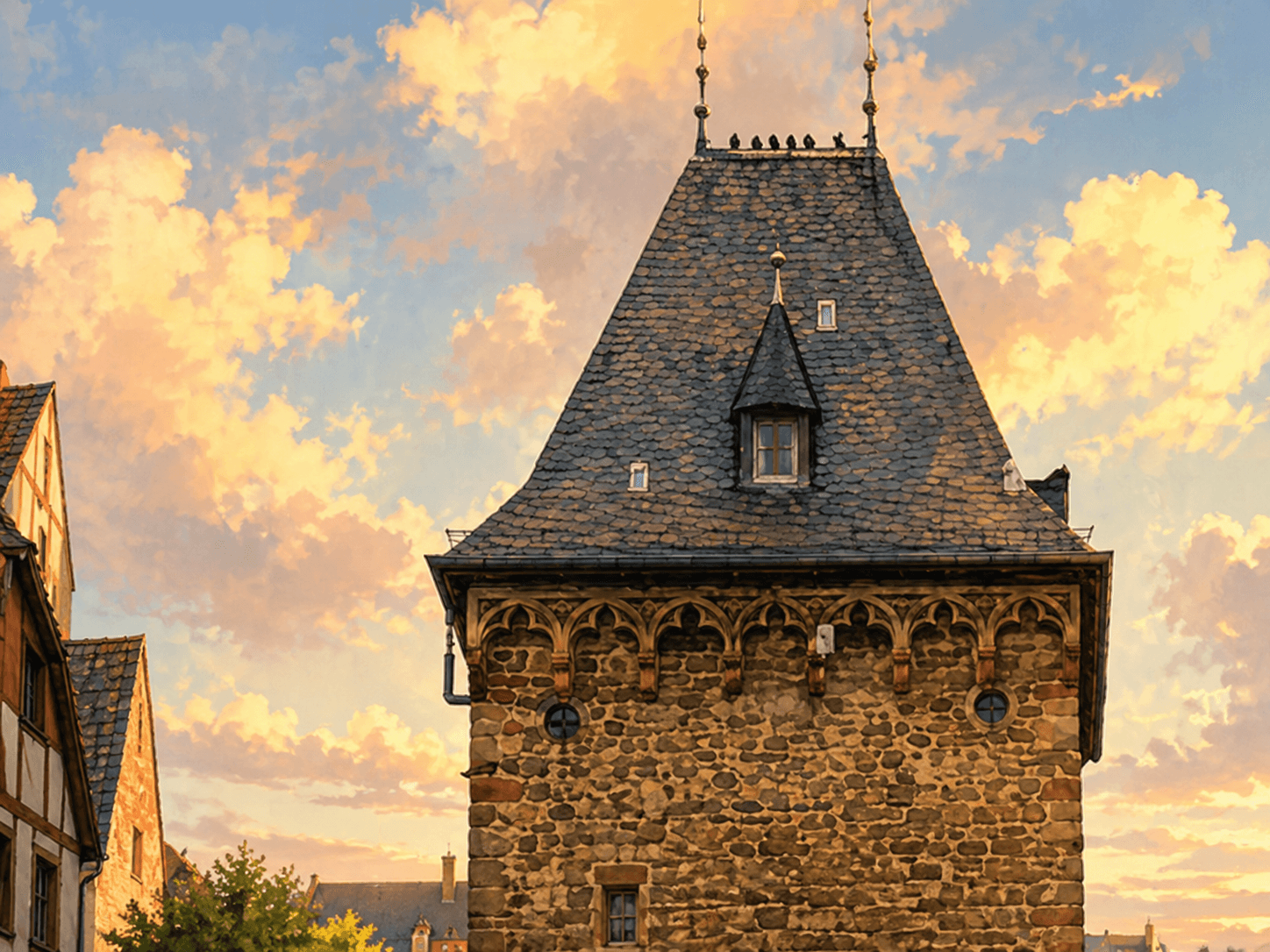
In March 2026, important decisions concerning mobility and transportation were at the forefront in Bad Münstereifel. From E-bike rentals to barrier-free stations and safety concepts, the city is working on a sustainable transportation policy.
Mobility in Bad Münstereifel: What Was Decided in March 2026
Mobility in Bad Münstereifel is more than just a transportation issue – it is a central building block for a livable city. In March 2026, the Committee for Environment, Tourism, and Mobility intensively discussed topics such as bicycle infrastructure, barrier-free bus stops, and road safety measures. The discussions revealed the complexity of the challenges, but also showed that solutions are being discussed on a broad level.
E-Bike Rentals: Climate-Friendly Mobility vs. Resource Constraints
The discussion around a municipal E-bike rental system was particularly controversial in March 2026. Although the proposal for a municipal rental service, including the reactivation of the station at Bad Münstereifel/City Outlet train station and the construction of a new station in Arloff, was addressed, the administration advised against implementation. Reasons included a lack of personnel and organizational constraints.
Nevertheless, the topic is not off the table. With funding programs such as “Stadt und Land” and FöriNah, up to 90% of the costs could be covered. In addition, the administration is tasked with engaging in discussions with bicycle retailers and examining discounts for spa card holders. The debate shows that Bad Münstereifel is still focusing on the expansion of climate-friendly mobility – even if implementation remains cautious due to financial and human resource limitations.
Barrier-Free Bus Stop Development: Speed Is Required
Another focus was the development of barrier-free bus stops. With the goal of making 13 bus stops barrier-free by the end of March 2026, the city is relying on funding from the Zweckverband go.Rheinland. The funding covers up to 100% of investment costs and 10% of planning costs – an attractive offer that could accelerate implementation.
Still, it is criticized that only a quarter of the bus stops are currently barrier-free. The SPD faction clearly called for more speed in implementation, as the expansion is mandated by the Anti-Discrimination Act for People with Disabilities (PBefG). The planned measures, such as the development of the bus stops at Ahrstraße in Schönau and Mahlberg Ort, are a step in the right direction, but the city must continue to ask: How can it accelerate the development without overloading resources?
Safety Concepts for the City Center: Participation Enables Inclusion
Another focus was the development of a traffic and safety concept for the city center. The city plans to establish a working group that brings together politics, administration, residents, business owners, and other interest groups. The goal is to examine technical and safety aspects of traffic management and develop solutions that are acceptable to all parties involved.
A discussion on retractable bollards as part of the safety measures shows that the city is not only relying on technical solutions but also on participation. The results of the concept are to be presented at a public event – an opportunity to strengthen dialogue with the population and build trust in the city’s traffic policy.
Parking Management and Tourism Offerings
In addition to infrastructure measures, parking management and tourism offerings were also in the spotlight. The city plans to hold car-free Sundays in 2026, accompanied by events such as the Spring Market, Carnival, and Christmas Market. The goal is to strengthen local retail while simultaneously reducing car traffic.
Attendance on such days is significantly higher than on regular Saturdays, showing that events play a role in mobility. At the same time, the parking situation in Schönau, especially in connection with sports fields, is being closely monitored. The city is called upon to develop long-term solutions that take into account residents, sports clubs, and emergency services.
Conclusion: Mobility as a Central Design Factor
The decisions and discussions in March 2026 show that mobility in Bad Münstereifel is not only a transportation issue but a central factor in shaping the city’s future. Whether it is E-bike rentals, barrier-free public transport, or safety concepts – they all contribute to sustainability, inclusivity, and quality of life. The challenges are great, but the willingness to find solutions is there.
In the coming months, it will depend on how the city implements the planned projects. Utilizing funding, involving citizens and residents, and carefully allocating resources are the keys to developing Bad Münstereifel into a modern, climate-friendly, and barrier-free city.
NeoSearch analyses public council documents, committee minutes and municipal announcements. Source references appear automatically once verified meeting data is available.
What does this mean for businesses?
Municipal council decisions are early indicators: following the council agenda surfaces projects and tenders months before the official award — before they ever reach the procurement portals.
Track similar decisions in your region
Set up monitoring for kommunale Projekte in Nordrhein-Westfalen — prefilled from this article.
Set up monitoring →More signals from Bad-Muenstereifel
Traffic and Safety Policy in Bad Münstereifel: April 2026 in Focus
In April 2026, the focus in Bad Münstereifel was on the safety and design of urban traffic areas. The Committee for Environment, Tourism, and Mobility discussed measures to improve traffic conditions in several districts as well as long-term planning.
Read more → Rethinking Youth Participation: The Youth Forum Bad Münstereifel
In April 2026, the city of Bad Münstereifel will address the future of youth participation. The planned "Youth Forum Bad Münstereifel" will be discussed as a new model that emphasizes civic engagement, cooperation with schools, and financial neutrality.
Read more → Bad Münstereifel April 2026: Youth, Environment, and Remembrance in Focus
In April 2026, Bad Münstereifel focused on youth involvement, road safety, and historical remembrance. The city blog summarizes the most important decisions of the month.
Read more →