Osnabrück in Focus – Urban Development, Culture, and More
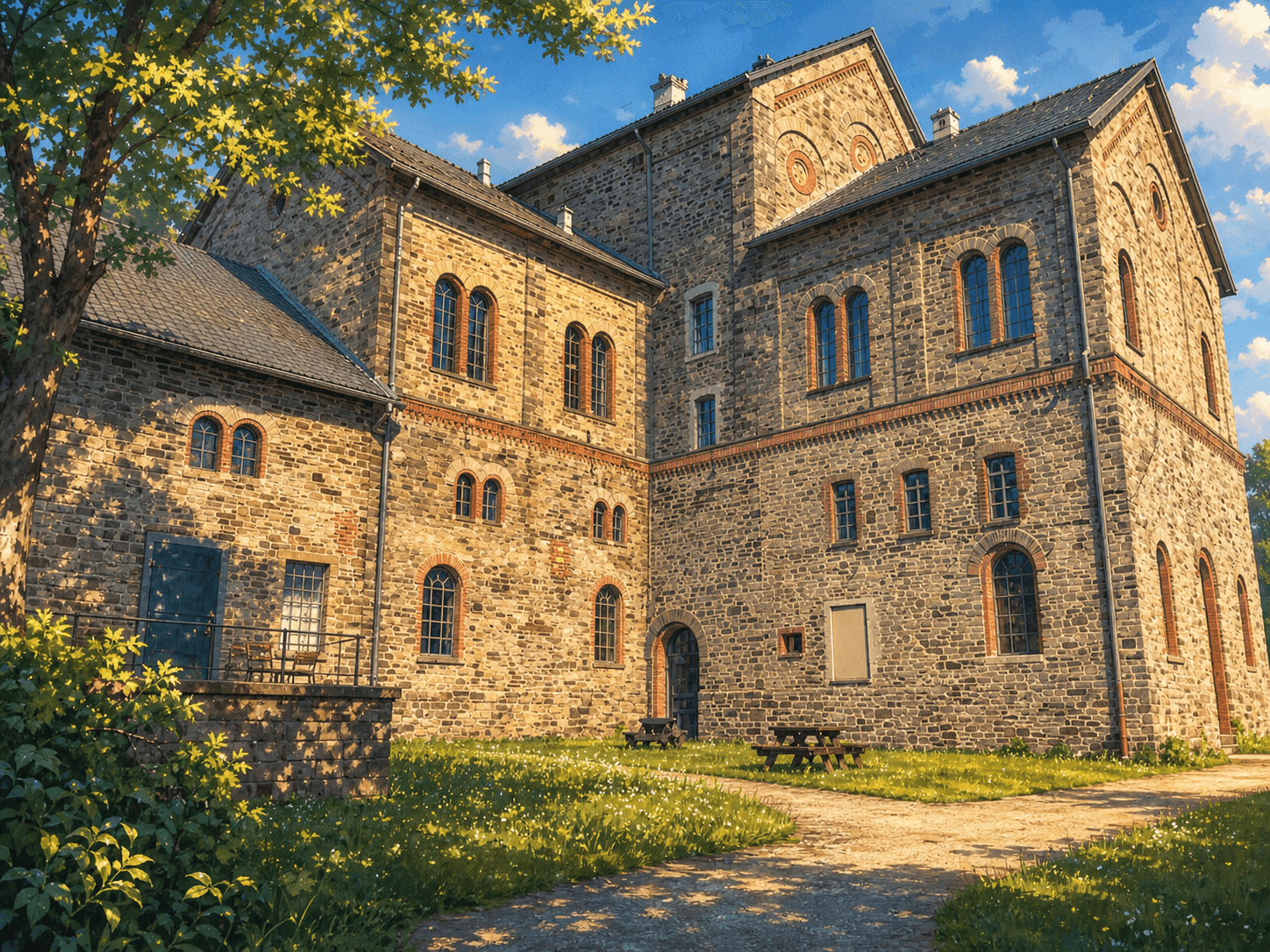
The month of February 2026 brought decisions in the areas of culture, childcare, administration, and the environment in Osnabrück. Here is the monthly review for residents and interested parties.
Changes for the Future – Osnabrück in February 2026
What was important this month
- New Childcare Structure: The municipal kindergartens Wüste and Heiligenweg will introduce integrated groups, resulting in a reduction of available spots.
- Cultural Funding: The Corona reserve fund will be transferred to a new operational reserve fund, and new admission fees for MQ4 and the Kunsthalle have been decided.
- New Order Regulations: Clear new rules have been established for street musicians, dog and cat ownership.
- Green Impulses: As part of climate adaptation, new construction measures have been decided, including planting beds and climate oases.
- Digitization and Transparency: The city plans to provide construction site information via QR codes and expand its digital presence.
- Service Operations and Administration: The Osnabrück Service Operations (OSB) has updated its bylaws to optimize decision-making limits and processes.
Childcare Structure and Full-Day Care
In the Youth Welfare Committee, important decisions were made regarding the kindergarten structure and full-day childcare. In the Wüste and Heiligenweg kindergartens, one half-day group will be converted into an integrated group, reducing capacity from 25 to 18 children. These changes are part of the city’s strategy for social inclusion and are funded through the standard performance agreement. Additionally, the Martin kindergarten will receive shortfall funding to renovate the façade and entrance area.
Another focus was the introduction of the Osnabrück model for an additional drop-off time in the cooperative after-school care. Parents must choose a half-yearly or annual timeframe, creating planning certainty. The project “Family Support at Primary Schools” will also continue until the end of 2026, reinforcing the city’s strategic positioning as a “City for Living and Experiencing.”
Culture and Arts – More Transparency and New Prices
In the Culture Committee, it was decided to write off the Corona reserve fund and transfer it to a new “General Operational Reserve Fund.” This ensures long-term planning security for the city’s stages. Additionally, performance subsidies for the coming years were set, and the Mayor was tasked with adapting the sponsorship agreement with the Municipal Theaters gGmbH to exclude future compensation contributions.
The MQ4 Osnabrück is increasing its admission fees: adults will now pay 10 euros instead of 8 euros. A new fee regulation is also being introduced for the Kunsthalle Osnabrück, including a children’s birthday program funded by the Bohnenkamp Foundation. The renovation of the Erich Maria Remarque Peace Center is planned with a total budget of 2.079 million euros, including EFRE funding.
Administration, Order, and Security
The City Council decided on the reappointment of the Queer Advisory Council and focused on the establishment of a permanently staffed police station in the Neumarkt area. Additionally, the Inner City Impulse Program 1.0 was supported, which includes free public transport and parking. The city’s digital presence will also expand to decentralized platforms like Mastodon in the future.
In the Fire Department and Order Committee, new regulations for street musicians, dog and cat ownership were decided. Music groups may not consist of more than four musicians and must vacate the stage setup after 30 minutes. Dogs must be leashed in certain areas. Cats must be spayed or neutered by the age of seven months, with an exception allowed for pedigree cats.
Green Impulses and Climate Adaptation
The Committee for Urban Development and the Environment decided to establish nine planting beds in the Eibenweg and Eschenweg. The measure is part of the city’s strategy for climate adaptation and will be funded with grants from the KfW program. Additionally, a QR code system for construction site information is being introduced, linking to a central geodata platform.
In the anniversary year “100 Years of Green Fingers,” a climate oasis in the Nikolaiort will be created. As part of the project, a Green Fingers Charter will be developed, to be adopted and ceremonially presented in the summer of 2026. Further projects include the opening of the Nature Experience Area Ziegenbrink, an exhibition at the Museum of Industrial Culture, and a book project in cooperation with the Association for Architectural Culture.
Service Operations and Administrative Optimization
The Osnabrück Service Operations (OSB) has updated its operational bylaws to streamline decision-making limits and processes. For example, the managing director will have the authority to decide on public contracts after approval by the operations committee. The bylaws have been adapted to the city’s main bylaws and include new regulations on financial planning and the establishment of a special fund.
The OSB remains a non-profit municipal enterprise, funded from city funds with a capital stock of 7.4 million euros. The new bylaws come into force upon publication and consolidate legal clarity for future decisions.
Outlook
February 2026 has clearly shown in Osnabrück how multifaceted the tasks of a modern city are. From childcare structures and cultural projects to order and climate protection measures, the city is working toward a sustainable, livable, and transparent future. The coming months will show how these decisions are implemented in practice and what impact they will have on the daily lives of citizens.
NeoSearch analyses public council documents, committee minutes and municipal announcements. Source references appear automatically once verified meeting data is available.
What does this mean for businesses?
Municipal council decisions are early indicators: following the council agenda surfaces projects and tenders months before the official award — before they ever reach the procurement portals.
Track similar decisions in your region
Set up monitoring for Childcare in Niedersachsen — prefilled from this article.
Set up monitoring →More signals from Osnabrueck
Financial Policy in Osnabrück: Budget Decisions and Risk Management in April 2026
April 2026 was marked in Osnabrück by significant decisions in the areas of finance and budgeting. Default guarantees, corporate loans, and investment strategies were the focus – with far-reaching implications for the city's budget planning and future risk profiles.
Read more → Governance and Administration in Osnabrück: Decisions in April 2026
In April 2026, Osnabrück made significant decisions in the area of governance and administration. The city council discussed topics such as security, night culture, industrial future, and cultural partnerships. An overview.
Read more → Legal Developments and Challenges in Osnabrück – April 2026
In April 2026, the city of Osnabrück made significant decisions in the area of law and administration. This blog post explores the implications for alcohol policy, integration, security, and municipal action.
Read more →