Osnabrück Urban Development: From Passive Houses to Mobile Bike Racks – March 2026 in Focus
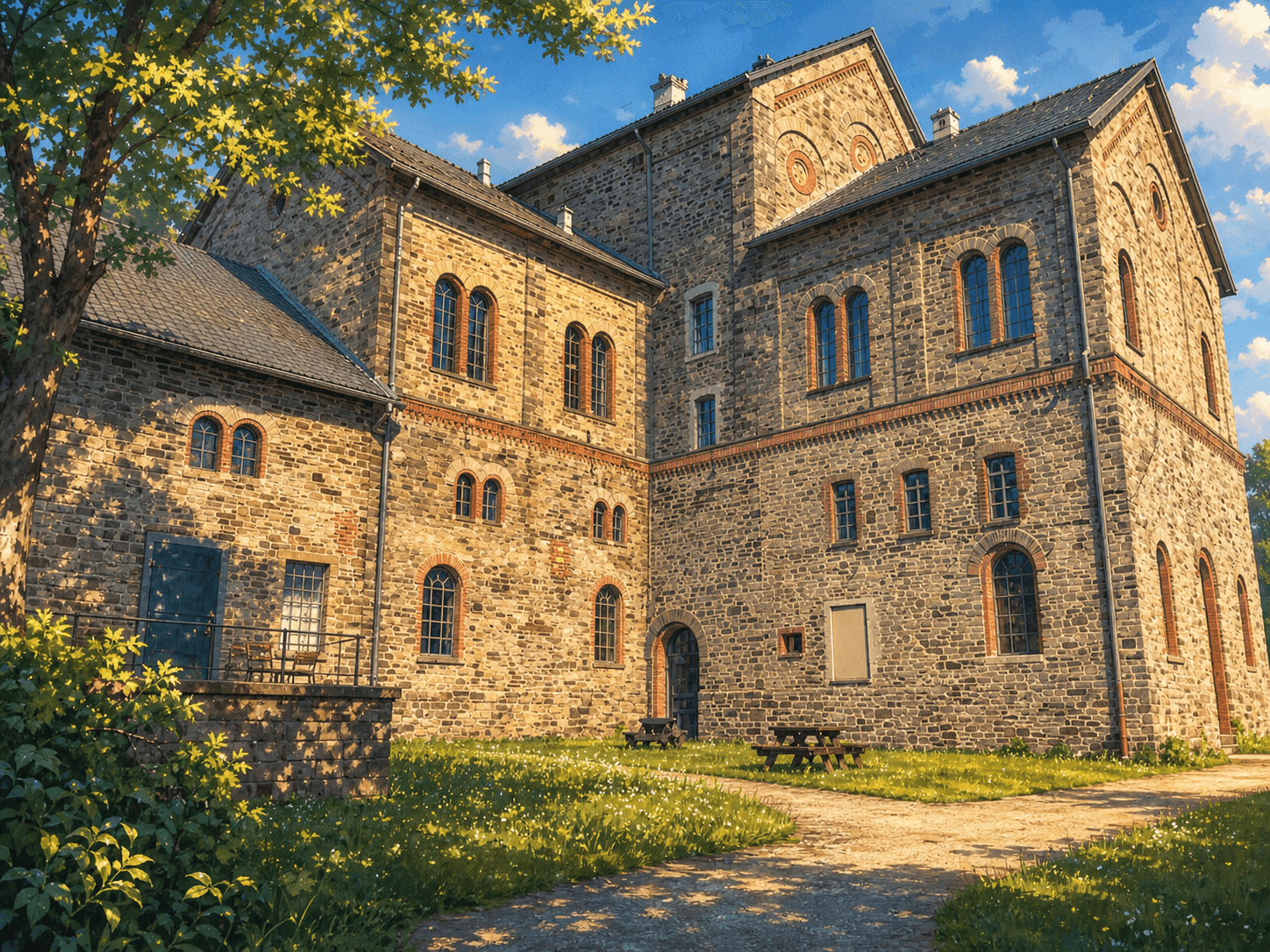
In the March 2026 session, Osnabrück made key decisions on urban development – from the repeal of the Passive House standard to the pilot phase of mobile bike racks. A comprehensive overview.
Urban Development in Osnabrück: Between Climate Protection, Funding, and Mobility
Urban development is a central topic that significantly shapes the future viability of cities like Osnabrück. In March 2026, numerous decisions and initiatives in the field of urban development and construction were at the forefront, touching on infrastructural, climate policy, and financial aspects. The discussions illustrate how complex the balance between ecological goals, financial feasibility, and citizens’ needs can be.
Energy Standards: Repeal of the Passive House Standard
A central decision was the repeal of the Passive House standard for new municipal buildings, which had been in place since 2011. The new standard, GEG-/KfW-55, is described as the economically optimal solution. The rationale: passive houses incur additional costs that are no longer justified in relation to their climate protection impact. The CO₂ savings between a Passive House (EH-40) and an Efficiency House 55 amount to 13 tons over 50 years – at an additional cost of 7,523 euros per ton.
The decision also brings financial benefits: with reduced insulation, up to five additional residential units could be created. The freed-up funds are to be invested in projects with higher climate protection impact, such as district heating networks or neighborhood solutions. However, the question remains whether the KfW-55 standard will be sufficient in the long term to achieve climate neutrality by 2045.
Educational Infrastructure: Renovations and New Construction
In the educational sector, two important projects were approved: the construction of a new sports hall at Drei-Religionen-Schule and the renovation of the sports hall at Grundschule Sutthausen. Both projects are part of school renovation measures and are funded through global funding. Drei-Religionen-Schule is to receive a single-court sports hall with an investment volume of 4.7 million euros, one-third of which will be covered by the school foundation.
The renovation in Sutthausen will cost just under one million euros and includes, among other things, a new roof covering, insulation, and a metal curtain wall. Both projects will be implemented through general contractors, increasing planning security and cost transparency. However, the challenge remains clear here: how to distribute investments in educational infrastructure between necessity, priority, and funding.
Mobility: Mobile Bike Racks and Traffic Planning
In the field of mobility, Osnabrück has launched a pilot phase for mobile bike racks. Two models with a maximum of 60 parking spaces are to be tested at major events. The city utility company also plans to acquire a snow plow in extreme weather conditions to ensure the reliability of bus traffic. A redesign is being considered for Bramscher Straße to optimize traffic flow and reduce parking pressure.
The FDP/UWG also demands alternatives to the full closure of Mindener Straße and advocates for the reclassification of vacant inner-city areas for housing. In the area of bicycle traffic, efforts are being made to establish uniform bike lanes, and it is being examined whether stationary bollards should be installed in the city center to restrict motorized traffic.
Administrative Processes: Tree Protection Ordinance and Bureaucratic Challenges
Another central topic was the Tree Protection Ordinance, which was updated in March 2026. The ordinance sets out requirements for permits, exceptions, and replanting obligations. Trees above a certain trunk circumference are protected, and when felled, either replanting or a financial compensation must be provided. Critics argue that the ordinance is bureaucratic and economically unfriendly, leading to debates about the balance between nature conservation and economic development.
In addition, construction work in the vicinity of high-voltage power and gas lines must comply with protection corridor regulations, and geotechnical site investigations are mandatory. The city emphasizes that the preservation of the tree population contributes to climate neutrality, yet criticism remains that the ordinance is insufficient to actively expand the tree stock.
Outlook: Urban Development as an Adaptation Process
The decisions of March 2026 show that urban development in Osnabrück is a dynamic process that reacts to changes in legislation, climate, and financial resources. The repeal of the Passive House standard is an example of how political decisions also contain pragmatic elements – not all idealistic visions can be realized due to costs or feasibility.
In the future, it will depend on how well the city is able to coordinate investments in climate protection, education, and infrastructure. Pilot projects, such as mobile bike racks or the Tree Protection Ordinance, show that even small steps can contribute to improvement. However, in the long term, it will be decisive how the city manages scarce resources and whether it can maintain the balance between ecological aspirations and financial reality.
NeoSearch analyses public council documents, committee minutes and municipal announcements. Source references appear automatically once verified meeting data is available.
What does this mean for businesses?
Schools, daycare centres and public buildings create early planning and construction opportunities. Following council agendas surfaces tenders for refurbishment, new builds and fit-out months before the official award — from shell construction to specialist planning to furnishing.
Track similar decisions in your region
Set up monitoring for education & public facilities in Niedersachsen — prefilled from this article.
Set up monitoring →More signals from Osnabrueck
Financial Policy in Osnabrück: Budget Decisions and Risk Management in April 2026
April 2026 was marked in Osnabrück by significant decisions in the areas of finance and budgeting. Default guarantees, corporate loans, and investment strategies were the focus – with far-reaching implications for the city's budget planning and future risk profiles.
Read more → Governance and Administration in Osnabrück: Decisions in April 2026
In April 2026, Osnabrück made significant decisions in the area of governance and administration. The city council discussed topics such as security, night culture, industrial future, and cultural partnerships. An overview.
Read more → Legal Developments and Challenges in Osnabrück – April 2026
In April 2026, the city of Osnabrück made significant decisions in the area of law and administration. This blog post explores the implications for alcohol policy, integration, security, and municipal action.
Read more →