Culture and Community in Osnabrück – Focus on Pricing Policy, Renovation Projects, and Cultural Memory in February 2026
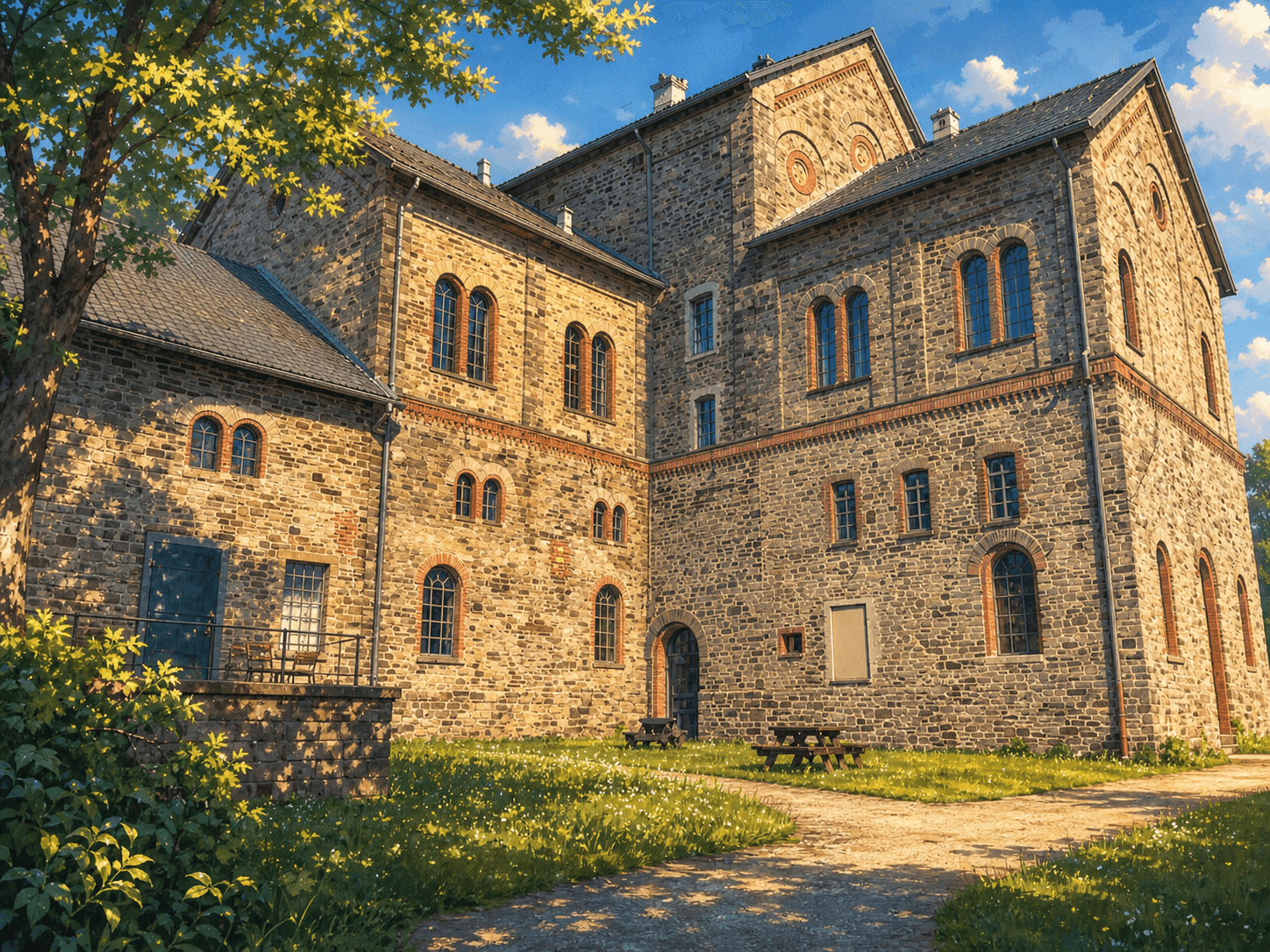
In February 2026, Osnabrück thoroughly addressed the future of its cultural institutions. From the Museum Quarter to the Peace Center and new street names – the decisions show how the city anchors culture as a central element of its identity.
Cultural Policy Decisions in Osnabrück: An Overview
Culture in Osnabrück is not merely a leisure topic – it is a central part of the city's identity. In February 2026, the Cultural Committee made several decisions that will shape the city's cultural landscape in a lasting way. The topics range from pricing policy to renovation projects and cultural memory. Below, we analyze the most important developments and their significance.
Adjustment of Pricing Policy: Funding Culture – Socially Compatible
A central topic was the adjustment of the fee regulations for the Museum Quarter (MQ4) and the Kunsthalle Osnabrück. The aim was to relieve these institutions financially while ensuring social accessibility. Entrance fees were moderately increased, resulting in expected additional revenues of €42,500 from 2026 onward.
However, the adjustments did not affect regular visitors only: Numerous groups, including children, youth, refugees, recipients of social assistance, and press representatives, continue to enjoy free or discounted admission. Particularly noteworthy is the introduction of a combined ticket for MQ4 and the Kunsthalle, which allows visitors to attend both institutions on two consecutive days. These measures reflect the city's strategy to make culture accessible and diverse at the same time.
Renovation of the Peace Center: Climate, Memory, and Third-Party Funding
Another project that received political attention is the renovation of the Erich Maria Remarque Peace Center. As part of the project "Reconceptualization of the Permanent Exhibition," the exhibition will be redesigned under the motto "My subject is the man of this century – the question of humanity." The renovation is linked to climate and sustainability goals and will be completed by autumn 2028, coinciding with the 100th anniversary of the publication of "Im Westen nichts Neues."
Financially, the project is supported by third-party funds (30%) and funding from the EFRE funding program "Resilient City Centers" (40%). However, the early start of measures also involves financial risks, which is why the city is prepared to cover the funding amount until the funding ratio of 30% is achieved.
Cultural Memory: Street Names and Advisory Boards
As part of the zoning plan No. 671, new streets were named in the Lokviertel, including the "Erna-de-Vries-Weg" after a Holocaust survivor and eyewitness, and the "Hanni-Schaft-Straße" after a Dutch resistance fighter. These names are not only symbolic but also part of the city's culture of remembrance.
In addition, a scientific advisory board was established for the pedagogical guidance of Villa_ in the Museum Quarter. The board aims to enable a multiperspective engagement with history and to create a broad basis for discussion by involving the Jewish community.
Outlook: Culture as a Long-Term Investment
The decisions of the Cultural Committee show that culture in Osnabrück is not seen merely as an artistic or tourist matter, but as a central building block for identity, memory, and social participation. The adjustments to the fees, the renovation of the Peace Center, and the commemoration of historical figures through street names are examples of how the city takes cultural responsibility – not only for today, but for the coming decades.
NeoSearch analyses public council documents, committee minutes and municipal announcements. Source references appear automatically once verified meeting data is available.
What does this mean for businesses?
Municipal council decisions are early indicators: following the council agenda surfaces projects and tenders months before the official award — before they ever reach the procurement portals.
Track similar decisions in your region
Set up monitoring for Culture and Community in Niedersachsen — prefilled from this article.
Set up monitoring →More signals from Osnabrueck
Financial Policy in Osnabrück: Budget Decisions and Risk Management in April 2026
April 2026 was marked in Osnabrück by significant decisions in the areas of finance and budgeting. Default guarantees, corporate loans, and investment strategies were the focus – with far-reaching implications for the city's budget planning and future risk profiles.
Read more → Governance and Administration in Osnabrück: Decisions in April 2026
In April 2026, Osnabrück made significant decisions in the area of governance and administration. The city council discussed topics such as security, night culture, industrial future, and cultural partnerships. An overview.
Read more → Legal Developments and Challenges in Osnabrück – April 2026
In April 2026, the city of Osnabrück made significant decisions in the area of law and administration. This blog post explores the implications for alcohol policy, integration, security, and municipal action.
Read more →