Oldenburg's Urban Development in Focus: Building, Greening, Making Livable
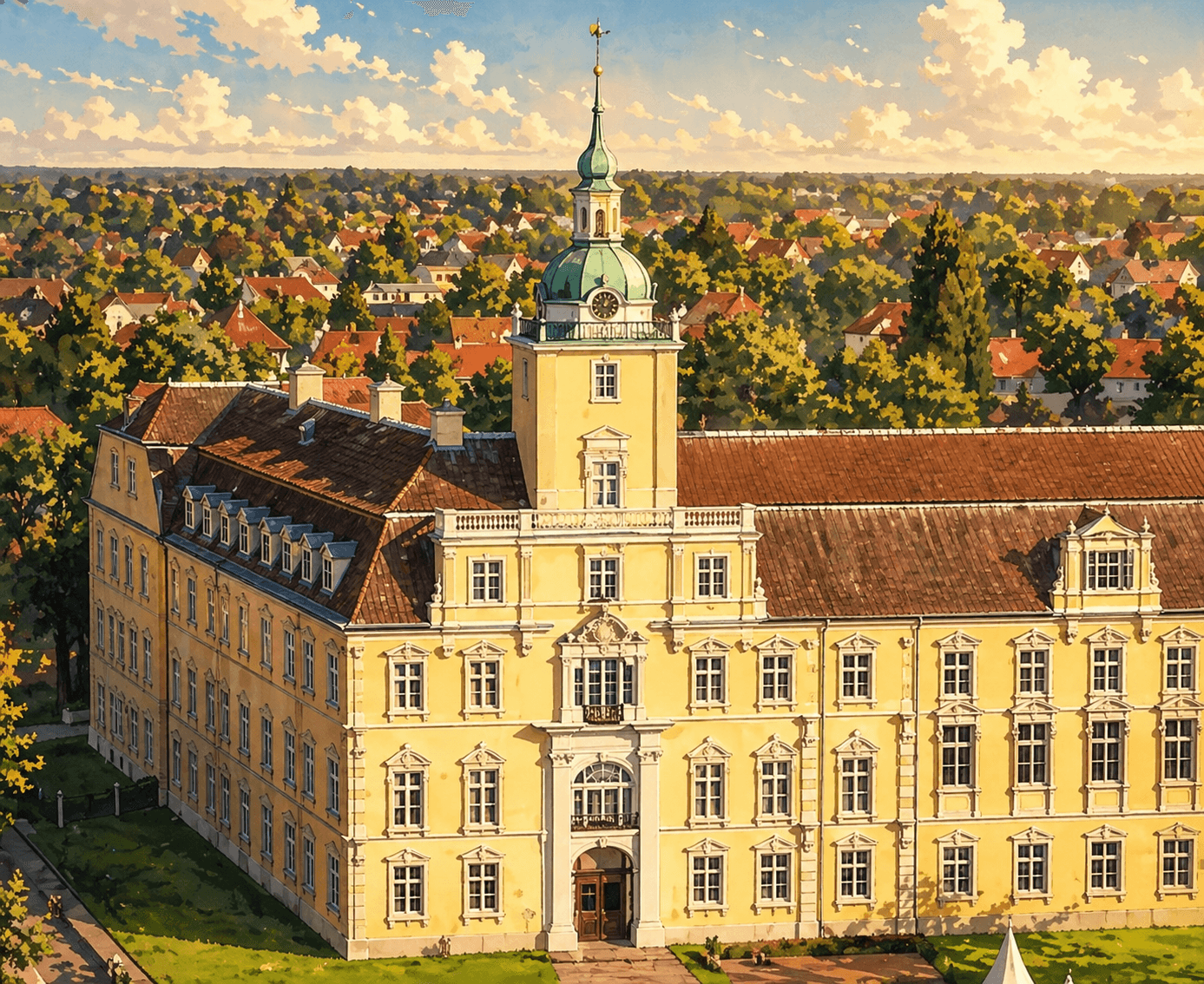
In February 2026, Oldenburg took decisive steps in urban development and construction toward sustainable city development, housing promotion, and climate adaptability. An overview of the most important decisions and their impacts.
Oldenburg's Urban Development: Building for the Future
Oldenburg's urban development has clearly shifted toward sustainability, climate protection, and improved quality of life in the week of February 2026. Numerous projects were approved that are both infrastructurally and ecologically significant. Particular focus was placed on the modernization of sports facilities, the promotion of greening, and the expansion of residential districts. Below is an analysis of the most important developments.
1. Sportpark Dornstede: Finally Moving Forward
The Sportpark Dornstede is a project that has been in the planning phase for some time. In February 2026, the starting signal for the construction phase was finally given. The changing rooms building, planned since the fall of 2023, will begin in the summer of 2026 and is expected to be completed by summer 2027. The CDU faction, which submitted the motion, advocated for a swift implementation, as the project is particularly significant for youth teams and VfB Oldenburg.
The decision was made without an architectural competition, but through a price comparison procedure with three architectural firms. This highlights a clear focus on cost control and efficiency. Although the delay was a topic of discussion, the current approval clears the way to provide the urgently needed sports infrastructure for the region.
2. Greening Promotion: Simplification and Expansion
Another focus was on promoting greening measures, both on facades and roofs. The FDP faction requested and received revisions to both programs to make them more citizen-friendly, simpler, and more attractive.
For facade greening, the minimum area requirement was reduced from 10 m² to 5 m², making the program more accessible to many households and businesses. The approval process was also simplified, and digital applications were introduced. The subsidy rate was tiered, and the maintenance obligation was reduced to five years. These changes aim to increase participation and simultaneously relieve administrative burdens.
Roof greening also saw significant improvements: The minimum area requirement was lowered, the structural proof requirement was only mandatory for older roofs, and funding for structural inspections was introduced. The maximum funding amounts were increased, and the procedure was divided into two stages – a simple one for small projects and an extended one for complex roofs. These measures help increase the city's climate resilience and attract more citizens to greening initiatives.
3. Housing Promotion and Neighborhood Development
In Oldenburg, not only is construction happening, but it is also being consciously planned. The Nedderend project in Bürgerfelde is a good example. The development plan 80 is part of an accelerated planning process using § 13a of the German Building Code (BauGB). A total of 68 residential units are planned, including a mix of housing, training flats, and commercial spaces. In addition, a 10% affordable housing share is planned, which strengthens the goal of social mixing.
In Helleheide (former airfield), the Bauturbo (fast-track construction procedure) is being used to increase building height and thus create additional living space. Neighborhood development is now more closely linked than ever with a neighborhood garage and a clear climate protection orientation. The administration also plans to conduct public participation for Nedderend in the coming weeks, which strengthens transparency and citizen involvement.
4. Climate Protection and Sustainability in the Spotlight
The climate issue was a defining factor in many decisions. The greening programs are clearly embedded in the context of climate protection – they contribute to improving heat relief and enhancing urban climate quality. In addition, the city's climate protection plan ("step2025", "Zukunft 2050", "Klimaziel Oldenburg") is used as a reference.
Oldenburg is also active in wind energy planning: The goal is to allocate 0.66% (69 ha) of wind energy area by 2027 and 0.86% (89 ha) by 2032. At the same time, compliance with FFH (Fauna-Flora-Habitat) regulations is ensured, which shows that the city is also sensitive to nature conservation.
Outlook: A City in Transition
Oldenburg is moving toward becoming a sustainable, climate-resilient, and livable city. The decisions made in February 2026 show that urban development is being oriented not only technically, but also politically and ecologically. The simplification of administrative procedures, the expansion of greening promotion, and the clear orientation toward climate goals mark a milestone in the city's development.
Yet the challenges remain: Digitalization must still be fully implemented, construction delays must be monitored, and the balance between housing promotion and climate protection must be further refined. The coming months will show how Oldenburg implements these goals in practice.
NeoSearch analyses public council documents, committee minutes and municipal announcements. Source references appear automatically once verified meeting data is available.
What does this mean for businesses?
Urban development, zoning plans and commercial settlements create early construction and supply opportunities. Following council decisions reveals projects before they go to tender.
Track similar decisions in your region
Set up monitoring for economic development in Niedersachsen — prefilled from this article.
Set up monitoring →More signals from Oldenburg
Oldenburg's Urban Development: Construction Plans, Traffic, and Stadium Reconstruction in April 2026 in Focus
In April 2026, central topics of urban development were in focus in Oldenburg: Staff shortages in building cleaning, planning for the relief road, the zoning plan N-777 G, and the future of the stadium. The blog offers an in-depth look into decisions, backgrounds, and conflicts in the urban space.
Read more → Mobility Debate in Oldenburg: From School Streets to the SUMP 2040
In April 2026, Oldenburg was at the center of several key decisions and discussions on the topic of mobility – from the introduction of school streets and the future of cycling to the development of the Sustainable Urban Mobility Plan (SUMP). We take a look at the most important developments and background.
Read more → Oldenburg's Childcare in April 2026: Transitions, Expansion, and Future Perspectives
In April 2026, the city of Oldenburg will set new milestones in childcare. With the introduction of a unified transition form from daycare to primary school, the conversion of a nursery group, and the revision of the Children and Youth Support Plan, the city demonstrates a broad commitment to high-quality, inclusive childcare. In this deep-dive blog, we explore the background, decisions, and implications.
Read more →