Oldenburg's Governance in March 2026: Decisions, Transparency, and Municipal Planning
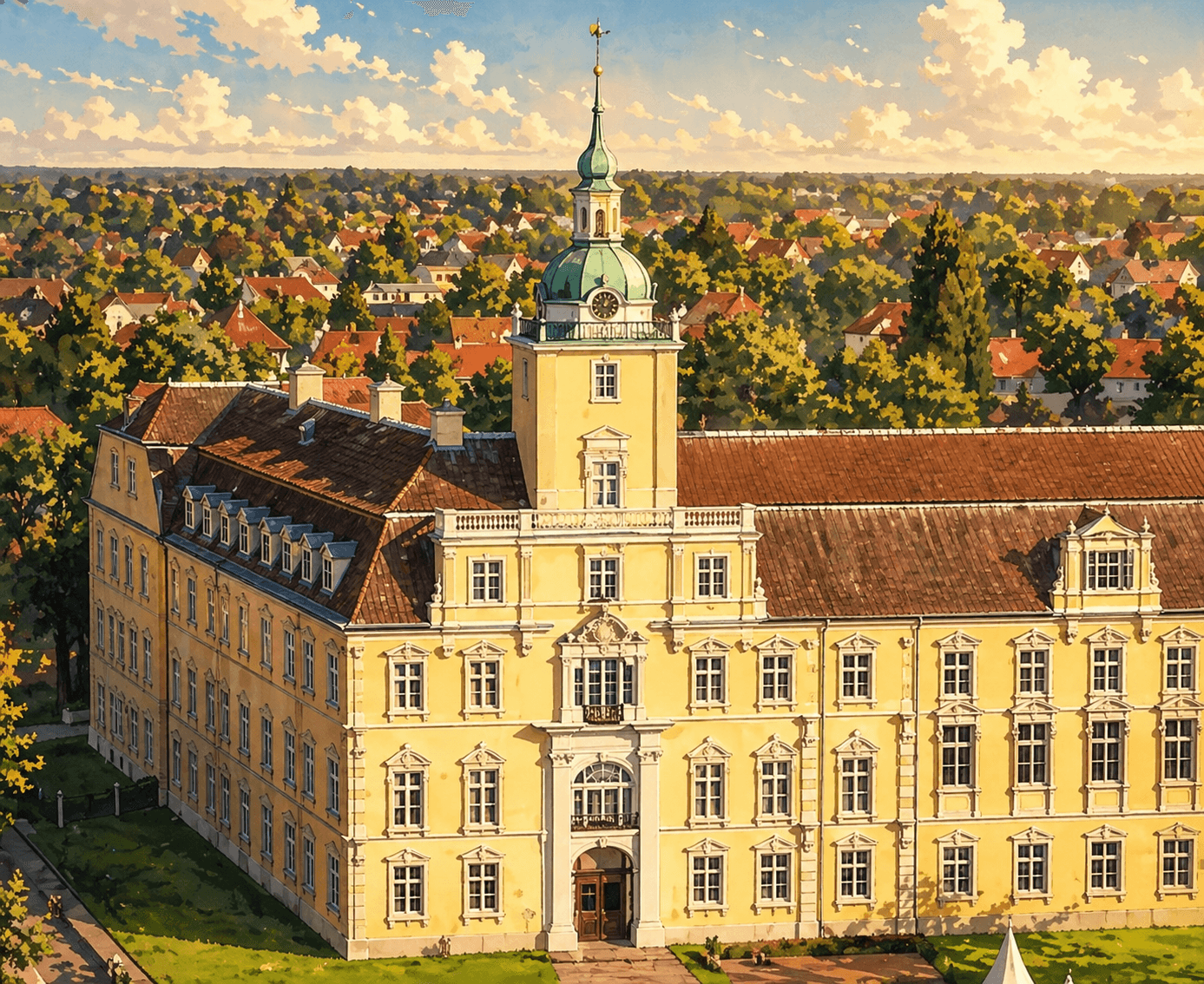
In March 2026, Oldenburg’s governance and administrative work came into focus. Numerous decisions on road construction, school development, financial management, and environmental issues revealed the interplay between citizen participation, political responsibility, and administrative planning.
Governance and Administration in Oldenburg: Recent Decisions and Challenges
The city of Oldenburg proved to be politically active and well-structured in March 2026. Numerous meetings, citizen questions, and proposals illustrate how governance and administration function in a growing city – and where challenges arise. Central topics included road construction, school development, financial management, and environmental protection.
Road Construction and Municipal Prioritization
A central decision-making process concerned the renovation of Oldenburg’s streets. The CDU faction’s proposal for a special agenda item "Special Fund for Street Renovation" was discussed in the Council on March 16, 2026. The aim was to develop a long-term plan for the restoration of deteriorated streets, funded by unused budget funds.
The reasoning for this step was clear: weather effects and the lack of sustainable renovations have severely affected the condition of many streets. Additionally, the communication of renovation plans to citizens was emphasized as crucial. This highlights the city's commitment to acting transparently not only in infrastructure but also in communication.
Citizen Participation and Transparency in Administration
Another intriguing element of the month was the large number of citizen questions addressed in the Council meeting on March 16. Three questions in particular placed special demands on the transparency of the administration:
Peatland Protection: A citizen asked about the interpretation of a formulation in connection with a proposal in the Committee for Environment and Urban Development (ASUK). The administration was asked to clarify the criteria for deciding whether a proposal is submitted to the ASUK – and how these can be sharpened for future projects.
Building Plan N-777 G: Another question concerned the implementation of construction plans and their costs, particularly in light of lawsuits at the Higher Administrative Court (OVG) in Lüneburg. The administration plans to wait for the court’s decision before making final decisions.
Heidbrook Protection Status: Here, critical questions were raised as to why the "Landscape Protection Area" status was chosen when a nature reserve would be closer to the actual protection goals. In addition, the citizen identified apparent contradictions between protection measures and road construction plans.
These questions show that Oldenburg’s citizens are actively participating in political debate and pushing the administration for greater transparency. At the same time, it becomes clear that governance in the city is not only based on political decisions, but also on the interpretation of legal regulations and administrative guidelines.
School Development and Resource Planning
Another focus was on the adjustment of school districts in municipal ownership. In proposal 26/0179, changes were presented to avoid overloads in certain primary schools in the western part of the city. The expansion of class sizes at Wechloy Primary School and the reallocation of several primary schools show how the city must re-plan educational spaces to meet population growth.
The administration worked closely with the affected school principals, although concerns remained, particularly regarding social aspects. Nevertheless, the regulation for the change of school districts was discussed in the committees and finally in the Council – a process that is both citizen-oriented and bureaucratically demanding.
Financial Policy and Credit Management
Important decisions on financial planning and credit management were also made in March. Proposals such as 26/0114 and 26/0126 deal with the acceptance of grants and the restructuring of promotional loans. The restructuring of a promotional loan exceeding 10 million euros as well as the restructuring of municipal loans amounting to 50 million euros shows how Oldenburg is managing long-term financial challenges.
The credit decisions not only take into account current interest rate situations but also risk prevention through interest rate derivatives. This underscores the importance of forward-looking financial policy that must not only cover investments but also ensure financial stability for the future.
Outlook: Governance as a Process of Adaptation
The decisions and debates in March 2026 show that governance in Oldenburg is a dynamic process. It requires not only political decision-making, but also administrative planning, legal interpretation, and citizen participation. The city is balancing long-term planning with short-term reactions – a challenge that will gain even more importance in the future.
NeoSearch analyses public council documents, committee minutes and municipal announcements. Source references appear automatically once verified meeting data is available.
What does this mean for businesses?
Town halls, fire stations, depots and administrative buildings create early construction and refurbishment opportunities. Following council agendas reveals projects before they go to tender.
Track similar decisions in your region
Set up monitoring for public buildings & administration in Niedersachsen — prefilled from this article.
Set up monitoring →More signals from Oldenburg
Oldenburg's Urban Development: Construction Plans, Traffic, and Stadium Reconstruction in April 2026 in Focus
In April 2026, central topics of urban development were in focus in Oldenburg: Staff shortages in building cleaning, planning for the relief road, the zoning plan N-777 G, and the future of the stadium. The blog offers an in-depth look into decisions, backgrounds, and conflicts in the urban space.
Read more → Mobility Debate in Oldenburg: From School Streets to the SUMP 2040
In April 2026, Oldenburg was at the center of several key decisions and discussions on the topic of mobility – from the introduction of school streets and the future of cycling to the development of the Sustainable Urban Mobility Plan (SUMP). We take a look at the most important developments and background.
Read more → Oldenburg's Childcare in April 2026: Transitions, Expansion, and Future Perspectives
In April 2026, the city of Oldenburg will set new milestones in childcare. With the introduction of a unified transition form from daycare to primary school, the conversion of a nursery group, and the revision of the Children and Youth Support Plan, the city demonstrates a broad commitment to high-quality, inclusive childcare. In this deep-dive blog, we explore the background, decisions, and implications.
Read more →