Oldenburg's Cultural Policy in March 2026 – Focus on the Carl von Ossietzky Prize
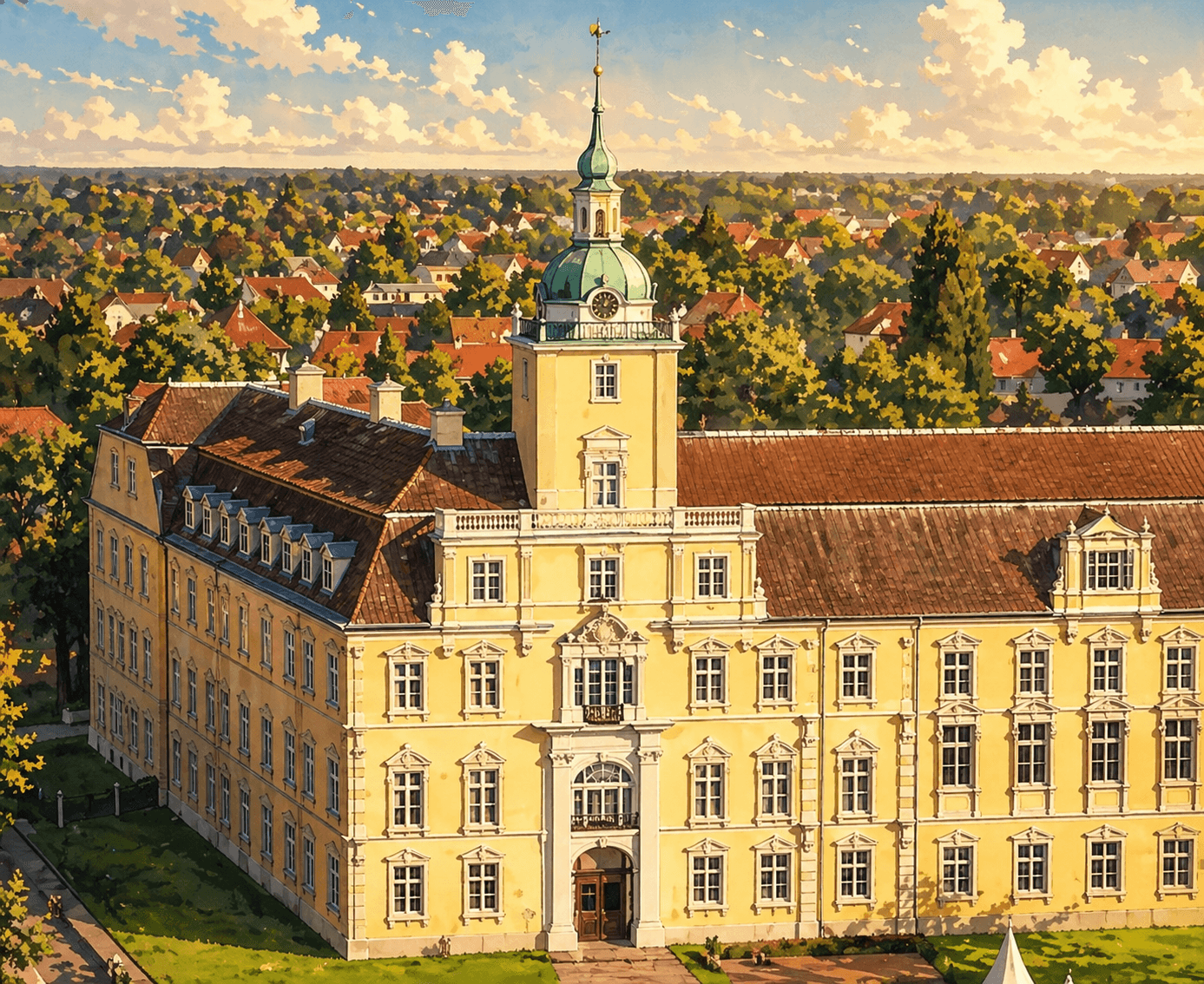
In March 2026, Oldenburg's Cultural Committee made a significant contribution to the city's cultural policy. The focus was on the awarding of the renowned Carl von Ossietzky Prize to the journalist and integration officer Güner Yasemin Balcı. An overview of the proceedings, background, and implications.
Oldenburg's Cultural Policy and the Carl von Ossietzky Prize
Cultural policy is a central element for a city's identity and future viability. Over the past few years, Oldenburg has established itself as an open and diverse cultural city. In March 2026, cultural decisions once again took center stage in the Hanseatic city, particularly the awarding of the Carl von Ossietzky Prize. This prize, awarded biennially since 1984, is not only a cultural highlight but also a statement in favor of courage, free speech, and social responsibility.
Cultural Committee Session: Formal Procedures and Preparation
The session of Oldenburg's Cultural Committee on March 17, 2026, which began at 6:30 p.m. in Seminar Room 2 of the PFL Cultural Center, was a decisive step in preparing for the award ceremony. The public part of the session lasted just under 20 minutes, but was concise and precise. Initially, formal prerequisites such as the quorum, the agenda, and the minutes of the previous meeting were confirmed. This was followed by the citizen question session and the discussion of the proposal for the prize award.
Proposal 26/0197, prepared by the City of Oldenburg's Office for Culture, Museums and Sports, laid the foundation for the awarding of the Carl von Ossietzky Prize in 2026. The session underlined the transparency and public participation in the city's cultural decision-making processes.
The Carl von Ossietzky Prize 2026: An Award for Courage and Commitment
The Carl von Ossietzky Prize is one of the most important awards in the cultural and political landscape of Northern Germany. With a prize amount of 10,000 euros and a total budget of 30,000 euros for organizing the award ceremony, it is of great financial and symbolic significance. In 2026, the prize was awarded to Güner Yasemin Balcı, a journalist, documentary filmmaker, and integration officer in Berlin-Neukölln.
Balcı comes from a Turkish-Alevi family and has addressed issues such as patriarchal structures, Islamist threats, and universal human rights in her work. Her documentaries and publications – including "Arabboy," "ArabQueen," and "Heimatland" – focus on social integration, identity issues, and the challenges in a pluralistic society.
The jury, consisting of Prof. Dr. Dagmar Freist, Dr. Necla Kelek, Shelly Kupferberg, Prof. Dr. Volker Boehme-Neßler, and Stefan Schulz, commended Balcı's commitment to freedom, self-determination, and universal human rights. The award ceremony took place on May 21, 2026, and was celebrated as a cultural highlight of the year.
Impacts and Future Perspectives
The award ceremony in Oldenburg is not only an honor for the laureate but also a statement by the city. By selecting Yasemin Balcı, Oldenburg signals its openness to critical debates, diversity, and social responsibility. At the same time, it strengthens the city's image as a culturally vibrant and globally oriented location.
In the future, the Carl von Ossietzky Prize will continue to play a central role in Oldenburg's cultural policy. The city thus has a tool to highlight socially relevant issues and simultaneously spark cultural enthusiasm. In a time when free speech and social cohesion are increasingly being questioned, this award is an important symbol.
Conclusion: Oldenburg as a Cultural Impulse Center
In March 2026, Oldenburg demonstrated how cultural policy can be shaped: transparent, citizen-oriented, and with a clear social mandate. With the session on March 17 and the subsequent award ceremony on May 21, the Cultural Committee not only completed formal procedures, but also sent a message – the message that culture and courage play a central role in urban life.
With Yasemin Balcı as the prize winner and the clear orientation of the prize toward freedom of expression and social responsibility, Oldenburg has set a milestone that will be noticed beyond the city limits.
NeoSearch analyses public council documents, committee minutes and municipal announcements. Source references appear automatically once verified meeting data is available.
What does this mean for businesses?
Municipal council decisions are early indicators: following the council agenda surfaces projects and tenders months before the official award — before they ever reach the procurement portals.
Track similar decisions in your region
Set up monitoring for Culture and Community in Niedersachsen — prefilled from this article.
Set up monitoring →More signals from Oldenburg
Oldenburg's Urban Development: Construction Plans, Traffic, and Stadium Reconstruction in April 2026 in Focus
In April 2026, central topics of urban development were in focus in Oldenburg: Staff shortages in building cleaning, planning for the relief road, the zoning plan N-777 G, and the future of the stadium. The blog offers an in-depth look into decisions, backgrounds, and conflicts in the urban space.
Read more → Mobility Debate in Oldenburg: From School Streets to the SUMP 2040
In April 2026, Oldenburg was at the center of several key decisions and discussions on the topic of mobility – from the introduction of school streets and the future of cycling to the development of the Sustainable Urban Mobility Plan (SUMP). We take a look at the most important developments and background.
Read more → Oldenburg's Childcare in April 2026: Transitions, Expansion, and Future Perspectives
In April 2026, the city of Oldenburg will set new milestones in childcare. With the introduction of a unified transition form from daycare to primary school, the conversion of a nursery group, and the revision of the Children and Youth Support Plan, the city demonstrates a broad commitment to high-quality, inclusive childcare. In this deep-dive blog, we explore the background, decisions, and implications.
Read more →