Oldenburg's Climate Protection Offensive: Implementation, Funding, and Citizen Participation in Focus
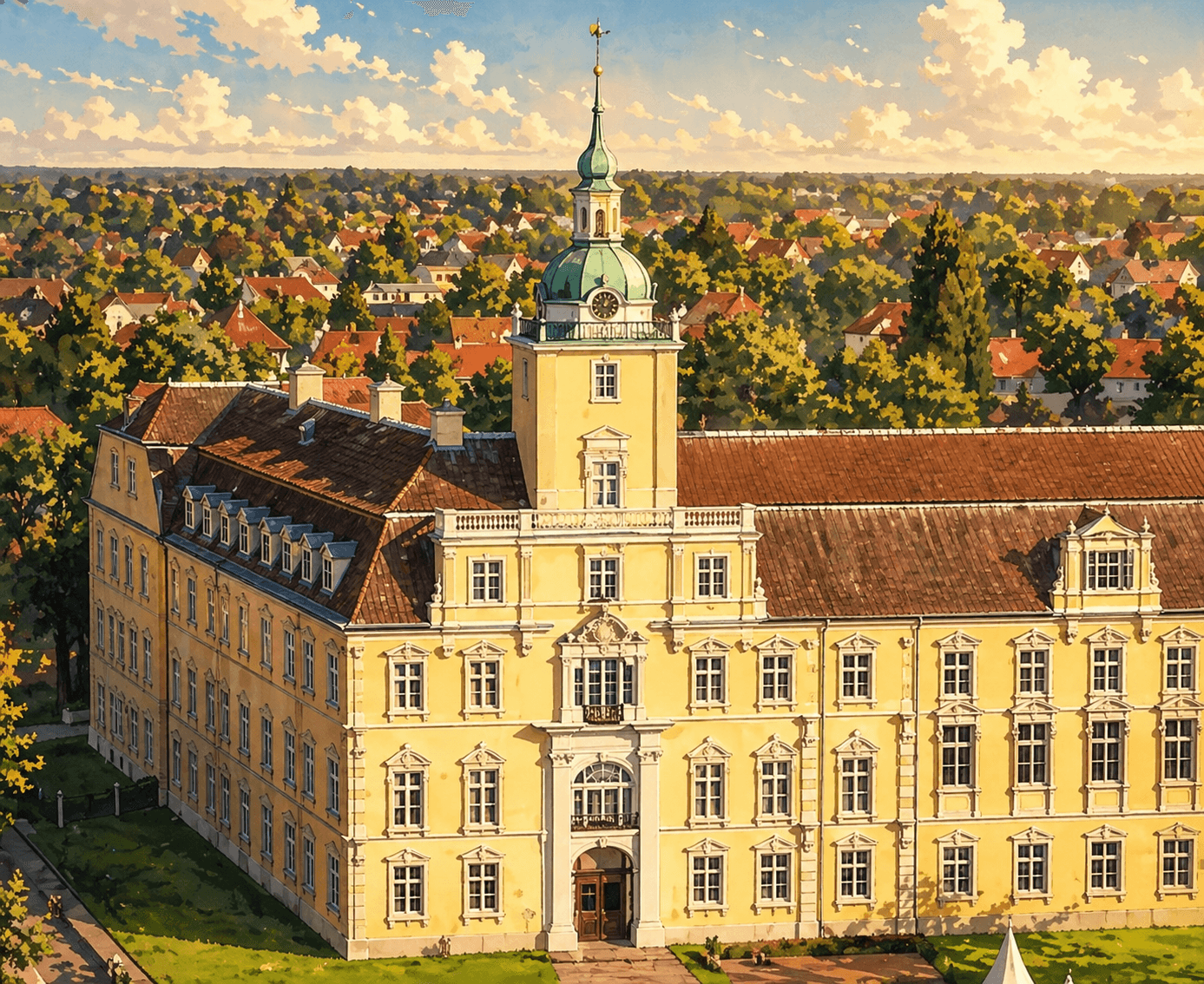
Oldenburg is focusing more strongly on structured climate protection measures, peatland conservation, and citizen participation in February 2026. The Committee for Green Spaces, Environment, and Climate adopts key programs and plans forward-looking urban development projects. An overview of the current developments in this northern German climate city.
Climate Protection as a Central Focus in Oldenburg
In February 2026, the northern German city of Oldenburg is placing greater emphasis on concrete measures toward climate neutrality by 2035. The Committee for Green Spaces, Environment, and Climate is intensively engaged in implementing the climate protection concept, financial support, peatland conservation, and the inclusion of the population. The current meeting and preparations for the next one demonstrate how Oldenburg is positioning itself as a pioneer in climate protection – with clear goals, financial resources, and strong citizen participation.
Climate Protection Programs and Financial Support
Oldenburg has launched an ambitious climate protection program aimed at achieving climate neutrality in the city by 2035. A central role is played by funding measures for energy-efficient renovations and renewable energy sources.
In 2025, 890 funding applications were submitted, resulting in the approval of 1,132 measures. In particular, heat pumps (360 units) and window renovations (290 units) contributed to saving 1,944 tons of CO₂ equivalents – equivalent to emissions from about 1,000 passenger cars per year.
In addition, the city of Oldenburg has established a climate protection management system in cooperation with the state of Lower Saxony to coordinate the process of climate neutrality. A budget of 100,000 euros for 2026 will also finance a Building and Solar Check Program to support private households with energy consulting.
Financial support through the Lower Saxony Climate Act is crucial in this context – as much as 170,372 euros came from state funds in 2025 alone. This funding enables Oldenburg to remain flexible in planning long-term projects.
Peatland Protection and Urban Development Challenges
Another focus of climate protection is the protection of peatlands, which function as important carbon stores. The planned Krusenbusch residential quarter is located on climate-relevant peat soils, which is why the city of Oldenburg has decided to avoid interventions in these sensitive soils.
The evaluation of the ecological value of these soils is a decisive step in minimizing long-term climate impacts. Within the framework of a workshop procedure, the conditions and urban development concepts are also developed together with the population.
This measure underlines Oldenburg's approach of understanding climate protection not only as a technical challenge, but also as an urban development and ecological project. The inclusion of citizens in this process is central – both in planning and implementation.
Citizen Participation and Climate Protection in Education
Citizen participation is a key factor for the success of climate protection in Oldenburg. The city supports not only projects like the "Schnibbeldisko Bloherfelde," but also educational initiatives in schools.
For example, workshops on the assembly of solar modules and balcony modules were conducted in 2025. In addition, the Oldenburg Food Council advocated for climate-friendly catering, which could lead to a long-term reduction in the consumption of animal products.
Climate protection is also addressed in schools – in 2025, over 2,800 euros were allocated for mobile cooking courses and material costs. The goal is to sensitize children and young people to sustainable lifestyles at an early age.
Outlook: Oldenburg as a Climate Protection Model City
The current work in the Committee for Green Spaces, Environment, and Climate shows how Oldenburg is positioning itself as a pioneer in climate protection. With a clear goal (climate neutrality by 2035), financial support from state funds, and strong citizen participation, the city has set a sustainable course.
The next meeting on February 12, 2026 will define further steps in this direction – from the implementation of climate protection management to the restorative use of peatlands. Oldenburg is showing how climate protection works in practice – not only as a political demand, but as lived urban planning.
NeoSearch analyses public council documents, committee minutes and municipal announcements. Source references appear automatically once verified meeting data is available.
What does this mean for businesses?
Municipal heat planning, photovoltaics and climate measures create early project indicators. Following council decisions surfaces sites and tenders before they are publicly advertised.
Track similar decisions in your region
Set up monitoring for environment & climate in Niedersachsen — prefilled from this article.
Set up monitoring →More signals from Oldenburg
Oldenburg's Urban Development: Construction Plans, Traffic, and Stadium Reconstruction in April 2026 in Focus
In April 2026, central topics of urban development were in focus in Oldenburg: Staff shortages in building cleaning, planning for the relief road, the zoning plan N-777 G, and the future of the stadium. The blog offers an in-depth look into decisions, backgrounds, and conflicts in the urban space.
Read more → Mobility Debate in Oldenburg: From School Streets to the SUMP 2040
In April 2026, Oldenburg was at the center of several key decisions and discussions on the topic of mobility – from the introduction of school streets and the future of cycling to the development of the Sustainable Urban Mobility Plan (SUMP). We take a look at the most important developments and background.
Read more → Oldenburg's Childcare in April 2026: Transitions, Expansion, and Future Perspectives
In April 2026, the city of Oldenburg will set new milestones in childcare. With the introduction of a unified transition form from daycare to primary school, the conversion of a nursery group, and the revision of the Children and Youth Support Plan, the city demonstrates a broad commitment to high-quality, inclusive childcare. In this deep-dive blog, we explore the background, decisions, and implications.
Read more →