Oldenburg Cultural Policy in April 2026: Digital Preservation, Remembrance of Nazi Crimes, and New Cultural Impulses
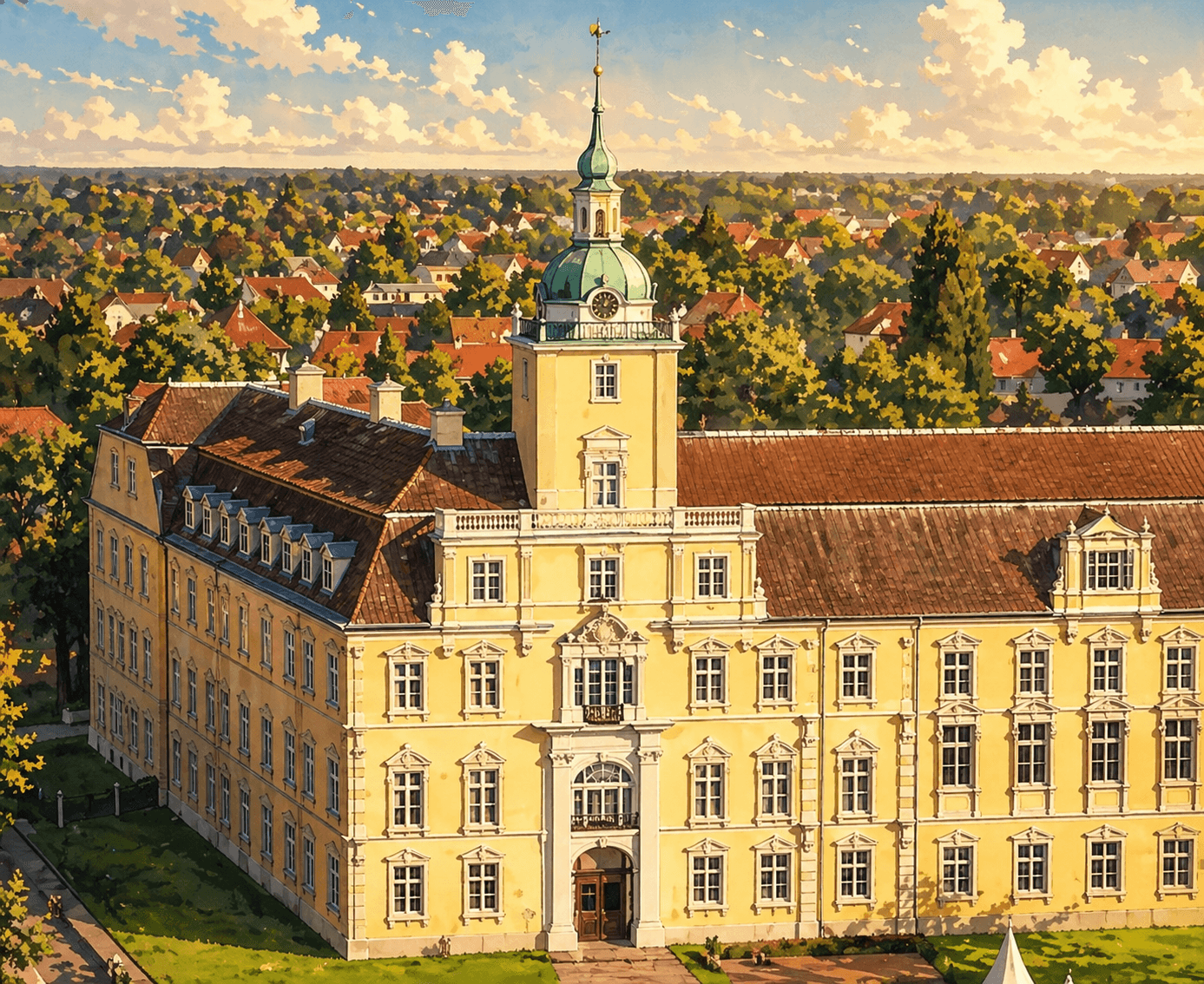
In April 2026, Oldenburg focused on several key areas in cultural policy: digitizing historical collections, addressing Nazi crimes, and promoting new cultural formats. An overview.
Cultural Policy in Oldenburg: Digitization, Remembrance, and Creative Impulses in April 2026
In April 2026, Oldenburg highlighted several cultural policy projects and decisions – from digitizing historical photographs to addressing Nazi-era crimes and supporting night culture. The Cultural Committee met on April 21 and set impulses that affect both the city's culture of remembrance and its creative future.
Preservation and Digitization of Historical Media Archives
In April 2026, the association Werkstattfilm received a grant of 35,000 euros from the city of Oldenburg's cultural funding program. This funding is intended for the digitization and processing of a comprehensive archive that has been collecting photos, slides, negatives, and films from Oldenburg for over 30 years. The holdings include tens of thousands of individual pieces, including historically valuable glass negatives and 8 mm and 16 mm films.
Digitization is necessary because the collections have grown significantly in recent years through donations and bequests. The association's volunteer efforts are no longer sufficient to prepare the materials and make them accessible to the public. The digitized collections will be made available through the Oldenburg Media Archive – a central point for the preservation and dissemination of cultural heritage.
The association has already taken over archives from Oldenburg professional photographers and private individuals and makes the materials available to the public through exhibitions, books, and DVDs. The association's work is a valuable piece of cultural sustainability in Oldenburg.
Addressing Nazi-Era End-Phase Crimes in Oldenburg
Another focus of the Cultural Committee was a motion to address Nazi-era end-phase crimes in Oldenburg. In April 1945, at least four soldiers in the city were shot and hanged as deserters. These murders occurred in the context of special courts used during the Nazi period to counter signs of disintegration.
The administration was tasked with commissioning a historical report to process the events, identify victims, and create a foundation for dignified remembrance. The events are documented in historical sources, denazification proceedings, and diaries. In a publication from 2015, Hans-Peter Klausch already compiled a detailed summary of the crimes in Oldenburg during the Nazi era.
Processing these incidents is a step toward culture of remembrance and the processing of dark chapters in the city's history. It shows that Oldenburg is not only culturally active but also historically reflective and responsible.
New Cultural Formats: Night Culture, Creative Spaces, and Public Art
In addition to working with historical collections and the culture of remembrance, Oldenburg also set new cultural accents. The Night Culture Project was launched in March 2026 and promotes a safe, creative, and interconnected night culture. The goal is to support club culture as part of cultural diversity while also strengthening safety and prevention in public spaces.
As part of the project, two Night Culture Labs have already taken place, and an online survey is underway to assess the needs of the night culture scene. A point of contact has been appointed in the city administration to integrate these issues into daily operations.
In addition, the Creative Space at Schützenweg 34 will be continued by the association The White Rabbit e.V. The 2,400-square-meter space serves as a creative center for artist collectives and bands. In April 2026, a report on the current status was prepared and presented to the Cultural Committee. Furthermore, 7,330 euros in funding were granted by the Cultural Office to support the association's work.
Another highlight was the temporary exhibition by artist Insa Winkler, which will take place in the summer of 2026. Titled "Alphabet Mensch – Reflection on the Anthropocene," Winkler will display seven life-sized figures made from recycled construction steel at various locations in the city. The exhibition will be accompanied by a support program that includes workshops and public guided tours. The funding comes from the partial budget 06 in the 2025 fiscal year.
Outlook: How Oldenburg is Developing Culturally
April 2026 has shown that Oldenburg is not only investing in cultural innovation, but also in culture of remembrance, preservation, and sustainability. The digitization of historical collections, the addressing of Nazi crimes, and the promotion of new cultural formats such as night culture or temporary exhibitions clearly show how diverse and forward-looking cultural policy is in Oldenburg.
The city proves that it is not only culturally active but also socially responsible and historically reflective. With projects like the Creative Space, Night Culture, or the Werkstattfilm digitization, Oldenburg will remain a culturally vibrant and diverse place in the future.
NeoSearch analyses public council documents, committee minutes and municipal announcements. Source references appear automatically once verified meeting data is available.
What does this mean for businesses?
Municipal council decisions are early indicators: following the council agenda surfaces projects and tenders months before the official award — before they ever reach the procurement portals.
Track similar decisions in your region
Set up monitoring for Culture and Community in Niedersachsen — prefilled from this article.
Set up monitoring →More signals from Oldenburg
Oldenburg's Urban Development: Construction Plans, Traffic, and Stadium Reconstruction in April 2026 in Focus
In April 2026, central topics of urban development were in focus in Oldenburg: Staff shortages in building cleaning, planning for the relief road, the zoning plan N-777 G, and the future of the stadium. The blog offers an in-depth look into decisions, backgrounds, and conflicts in the urban space.
Read more → Mobility Debate in Oldenburg: From School Streets to the SUMP 2040
In April 2026, Oldenburg was at the center of several key decisions and discussions on the topic of mobility – from the introduction of school streets and the future of cycling to the development of the Sustainable Urban Mobility Plan (SUMP). We take a look at the most important developments and background.
Read more → Oldenburg's Childcare in April 2026: Transitions, Expansion, and Future Perspectives
In April 2026, the city of Oldenburg will set new milestones in childcare. With the introduction of a unified transition form from daycare to primary school, the conversion of a nursery group, and the revision of the Children and Youth Support Plan, the city demonstrates a broad commitment to high-quality, inclusive childcare. In this deep-dive blog, we explore the background, decisions, and implications.
Read more →