Mobility Debate in Oldenburg: From School Streets to the SUMP 2040
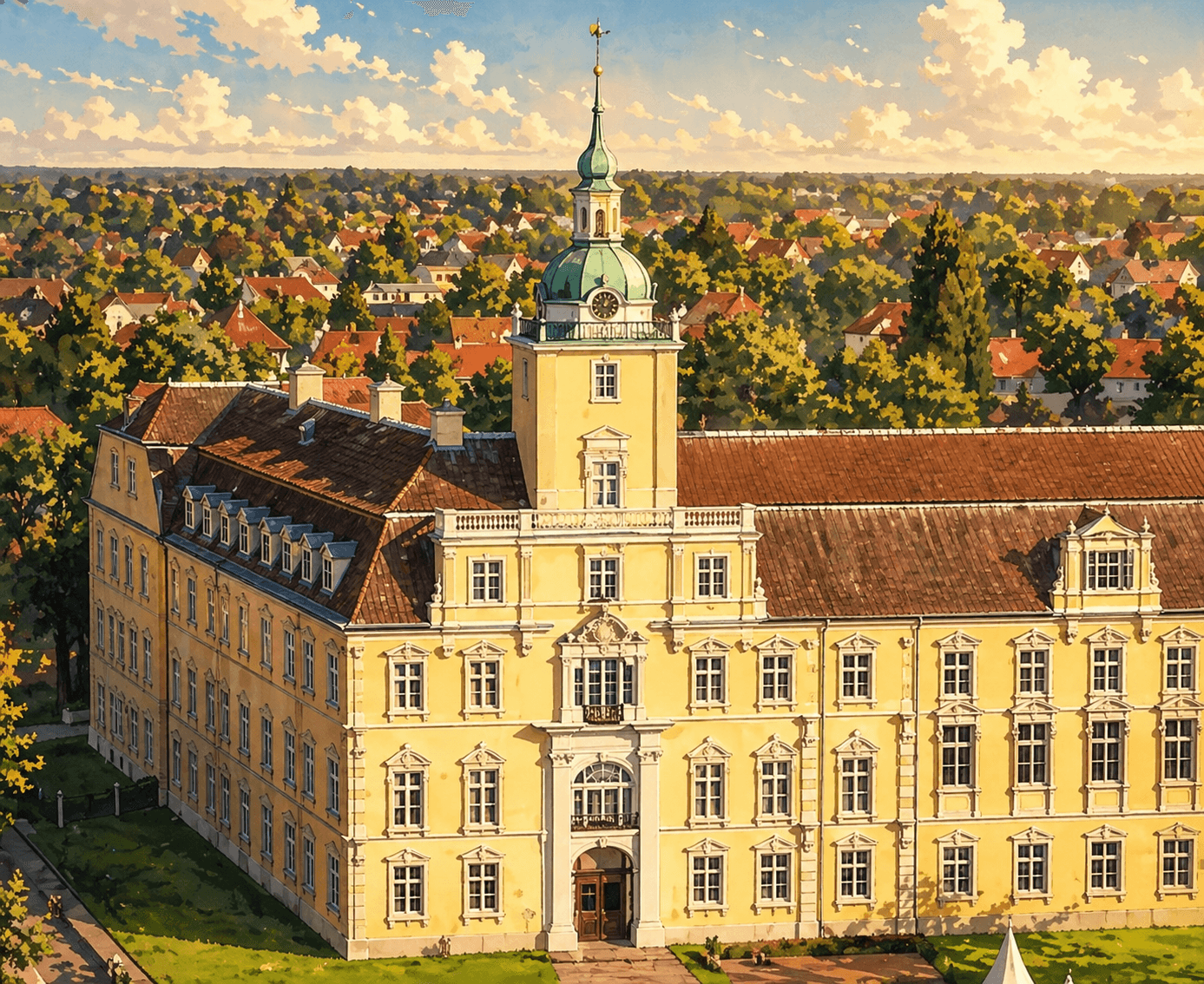
In April 2026, Oldenburg was at the center of several key decisions and discussions on the topic of mobility – from the introduction of school streets and the future of cycling to the development of the Sustainable Urban Mobility Plan (SUMP). We take a look at the most important developments and background.
Mobility Debate in Oldenburg: From School Streets to the SUMP 2040
In April 2026, Oldenburg engaged intensively with questions of urban mobility. The Transportation Committee met on April 20, 2026, and addressed a wide range of motions, reports, and discussions that touched upon both practical and strategic aspects of the city’s transport policy. The topics ranged from the introduction of school streets to the future of cycling and the development of the Sustainable Urban Mobility Plan (SUMP) for Oldenburg 2040.
School Streets and Resident Burdens
A central topic was the discussion around the Junkerstraße, which was temporarily closed as part of a school street pilot project to provide a safe connection for students of the adjacent primary school. The FDP faction requested free and non-bureaucratic special permits for residents, who complained about the financial and organizational burdens caused by the closure. The city argued that a fee was necessary to comply with the regulations of the Ordinance on Charges for Road Traffic Measures (GebOSt). At the same time, it emphasized that residents were not required to apply for such permits.
The CDU faction also advocated for a fee exemption, as it wanted to assure residents of a relief through the establishment of the school street. The discussion highlights the tension between safety in school areas and the actual burdens on residents, which are often overlooked.
Cycling Under Scrutiny – and Under Review
The ADFC’s Bicycle Climate Test showed that Oldenburg’s cycling climate worsened from 3.32 (2014) to 3.58 (2024). Safety and comfort while cycling were identified as key problem areas. Therefore, the ADFC requested measures for improvement in the Transportation Committee, especially regarding conflicts with motor vehicles, obstacles on cycle paths, and the width of the paths.
The city of Oldenburg responded with concrete measures: The renovation and renewal of cycling infrastructure as well as the establishment of protected lanes are planned. In addition, the guideline for bicycle streets is being updated to create a uniform appearance and better orientation for cyclists. The administration sees these measures as also contributing to climate protection, as they support the switch to cycling.
SUMP 2040: Oldenburg’s Strategic Mobility Vision
Alongside current transport policy, strategic planning was also in focus: According to EU guidelines, the city of Oldenburg is required to develop a Sustainable Urban Mobility Plan (SUMP) by the end of 2027. The VCD requested that this topic be included in the session of the Transportation Committee. The SUMP is to plan Oldenburg's mobility development until 2040, focusing on accessibility, quality of life, environment, and climate protection.
Oldenburg plans to build on the existing Mobility Plan 2030, which already follows a "Push&Pull" approach and integrates various modes of transport. The SUMP will be designed dynamically and participatively and is intended to respond to regional developments. Several cities in Lower Saxony are already working on SUMPs; Oldenburg is in an early phase.
Public Transport Plan and Accessibility
Another important topic was the partial revision of the local transport plan by the Zweckverband Verkehrsverbund Bremen/Niedersachsen (ZVBN). The current contract for the city bus service expires in 2028, and changes such as the connection to the Fliegerhorst or adjustments to 30 km/h speed limits are part of the revision. The administration emphasized that this revision would have no strategic or financial impact, but still needs political support.
In the context of accessibility, the establishment of a bus stop on Maastrichter Straße was also discussed to better connect BBS 3 with public transport. The SPD faction argued that such a stop is particularly important for students with disabilities. The administration, however, saw practical and financial obstacles, as the stop would only be used at the beginning and end of the school day and there was no sufficient number of passengers.
Conclusion: Mobility as a Central Design Space
April 2026 has shown that mobility is a central design space in Oldenburg, requiring both practical challenges and strategic planning. The discussions on school streets, cycling, and the SUMP 2040 underscore the wide range of interests converging in urban mobility planning. At the same time, they show the complexity with which Oldenburg must align traffic situations, climate protection, and quality of life.
The coming months will show how the decisions of the Transportation Committee are implemented in practice. In particular, the SUMP 2040 and the revision of the local transport plan are likely to play a central role in the coming years – not only for Oldenburg, but also as a model for other cities in Lower Saxony.
NeoSearch analyses public council documents, committee minutes and municipal announcements. Source references appear automatically once verified meeting data is available.
What does this mean for businesses?
Urban development, zoning plans and commercial settlements create early construction and supply opportunities. Following council decisions reveals projects before they go to tender.
Track similar decisions in your region
Set up monitoring for economic development in Niedersachsen — prefilled from this article.
Set up monitoring →More signals from Oldenburg
Oldenburg's Urban Development: Construction Plans, Traffic, and Stadium Reconstruction in April 2026 in Focus
In April 2026, central topics of urban development were in focus in Oldenburg: Staff shortages in building cleaning, planning for the relief road, the zoning plan N-777 G, and the future of the stadium. The blog offers an in-depth look into decisions, backgrounds, and conflicts in the urban space.
Read more → Oldenburg's Childcare in April 2026: Transitions, Expansion, and Future Perspectives
In April 2026, the city of Oldenburg will set new milestones in childcare. With the introduction of a unified transition form from daycare to primary school, the conversion of a nursery group, and the revision of the Children and Youth Support Plan, the city demonstrates a broad commitment to high-quality, inclusive childcare. In this deep-dive blog, we explore the background, decisions, and implications.
Read more → Oldenburg Council Demands Federal Intervention – Legal Backgrounds and Municipal Consequences
In April 2026, the Oldenburg City Council discussed the consequences of planned cuts to integration courses and the legal basis for non-public administrative committee meetings. This blog analyzes the political and legal tensions and their long-term effects on the municipality.
Read more →