Mobility in Oldenburg: Focus on 30 km/h Zones, Construction Coordination, and Infrastructure
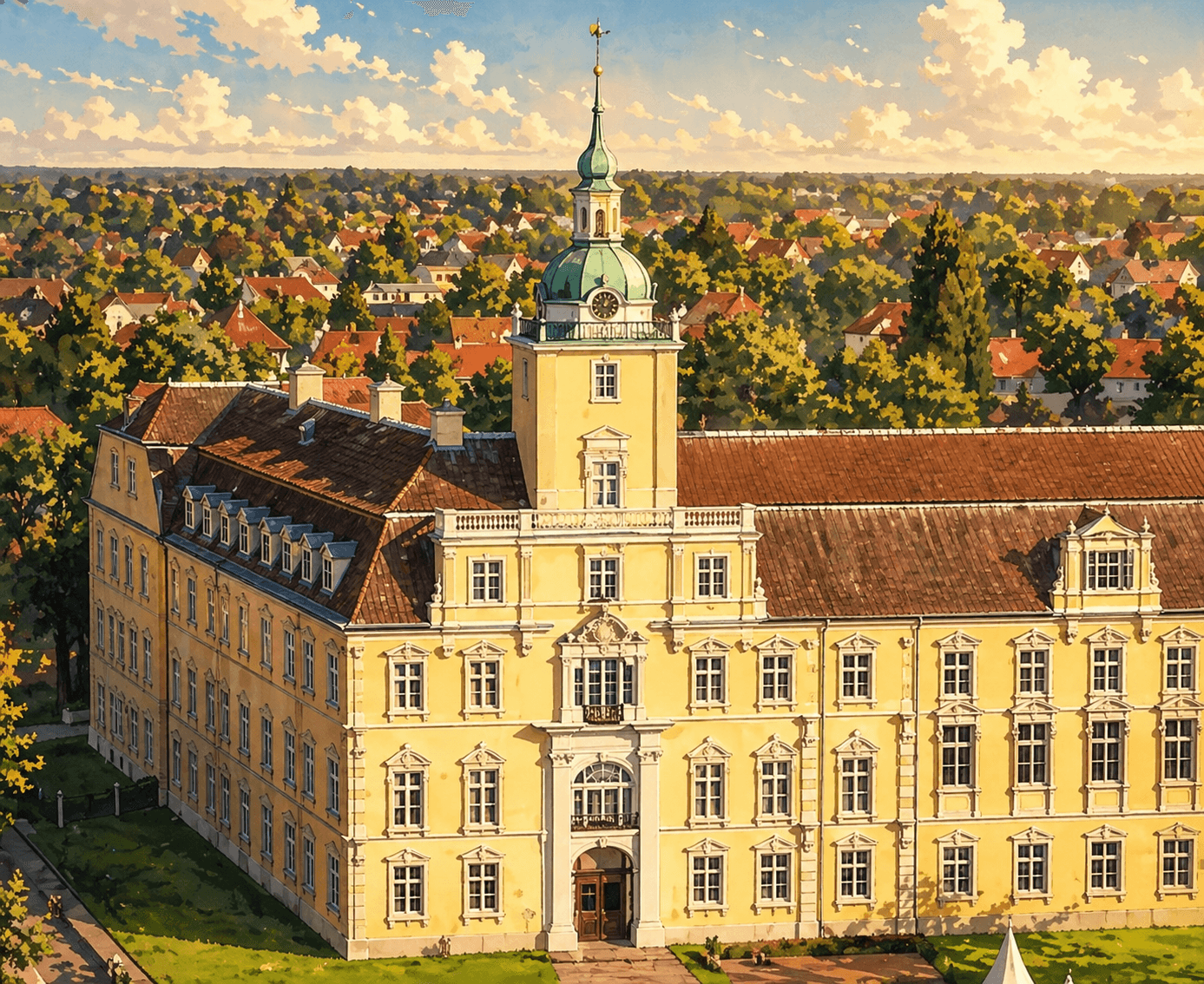
In February 2026, Oldenburg focused on numerous decisions in the area of mobility and transport. The Transportation Committee discussed the expansion of 30 km/h zones, the renovation of the Hunte Bridge, winter maintenance on bike paths, and the future of P+R facilities. An overview of the key developments.
Expansion of 30 km/h Zones: Enhancing Road Safety
The SPD and Greens in Oldenburg advocated in February 2026 for the expansion of 30 km/h zones in the Hauptstraße. The goal is to close existing gaps between 30 km/h zones, particularly in the section under the motorway. The amendment to the Street Traffic Regulation (StVO) allows municipalities to combine 30 km/h sections up to 500 meters in length, provided certain criteria are met.
The city of Oldenburg is currently assessing the impact of this measure on road safety, noise protection, school route safety, and traffic flow. The introduction of 30 km/h in this section is planned for the second quarter of 2026. Benefits include improved safety for pedestrians and students, smoother traffic flow, and reduced noise. This measure is a step toward creating a city-centered, traffic-calmed infrastructure.
Coordination of Construction Sites: Round Table for Construction Coordination
Another central topic was the introduction of the "Round Table for Construction Coordination in Oldenburg." The goal is to better coordinate construction projects to avoid conflicts and reduce traffic congestion. Participants at this table will include representatives from the city administration, VWG, Autobahn GmbH, construction companies, energy and water suppliers, and telecommunications companies.
A concrete example of the need for such coordination is the problem at the intersection of Bremer Straße/Schützenhofstraße, where multiple construction projects occurred simultaneously and caused traffic chaos. The Round Table is intended to provide early notification of planned measures, plan detours, and coordinate replacement traffic. This initiative is a response to the increasing challenges posed by construction sites and a step toward improving mobility planning in the city.
Traffic Situation in Kreyenstraße: Speed Reduction and Parking Bans
The Kreyenstraße was also a topic of discussion in the Transportation Committee. Currently, the street is designated as a main traffic road with a 50 km/h speed limit, leading to high speeds and dangerous situations. Parked vehicles disrupt the flow of traffic and endanger cyclists. Therefore, the CDU faction proposed reducing the speed limit to 30 km/h and implementing parking bays as well as no-stopping and no-parking zones.
The Bürgerverein Nadorst-Bürgeresch highlighted these weaknesses, particularly the issue of vehicles merging into the flow of traffic from side streets and properties. The aim is to improve traffic safety in the Kreyenstraße and restore its use as a residential street. This measure is part of a broader trend in Oldenburg to expand 30 km/h zones and prevent dangerous traffic situations.
Winter Maintenance on Bike Paths: Criticism of Inadequate Clearing
The topic of winter maintenance was also intensely discussed in Oldenburg. The ADFC criticized the insufficient clearing of bike streets after snowfall in January. Examples include the Haareneschstraße, the Haarenufer, and the Würzburger Straße. The ADFC asked about regulations for prioritizing the clearing of bike paths and about control mechanisms to ensure compliance with winter maintenance obligations by adjacent property owners.
The city administration was urged to take preventive measures to ensure that bike streets are cleared with the same priority as main traffic streets in the future. This is a step toward a climate-friendly and traffic-considerate urban image in which cyclists can also travel safely during the cold season.
Conclusion: Oldenburg on the Path to a Sustainable Mobility Strategy
The debates in February 2026 show that Oldenburg is actively working on the further development of its mobility strategy. 30 km/h zones, construction site coordination, winter maintenance, and safety in main traffic streets are central topics that are being discussed and partially implemented. The city is setting impulses for more safety, sustainability, and quality of life in the urban space.
In the future, it will be important to consistently implement these measures and integrate them into a long-term mobility strategy. Cooperation between politics, administration, and civil society is crucial in making Oldenburg a liveable and climate-friendly city.
NeoSearch analyses public council documents, committee minutes and municipal announcements. Source references appear automatically once verified meeting data is available.
What does this mean for businesses?
Municipal council decisions are early indicators: following the council agenda surfaces projects and tenders months before the official award — before they ever reach the procurement portals.
Track similar decisions in your region
Set up monitoring for kommunale Projekte in Niedersachsen — prefilled from this article.
Set up monitoring →More signals from Oldenburg
Oldenburg's Urban Development: Construction Plans, Traffic, and Stadium Reconstruction in April 2026 in Focus
In April 2026, central topics of urban development were in focus in Oldenburg: Staff shortages in building cleaning, planning for the relief road, the zoning plan N-777 G, and the future of the stadium. The blog offers an in-depth look into decisions, backgrounds, and conflicts in the urban space.
Read more → Mobility Debate in Oldenburg: From School Streets to the SUMP 2040
In April 2026, Oldenburg was at the center of several key decisions and discussions on the topic of mobility – from the introduction of school streets and the future of cycling to the development of the Sustainable Urban Mobility Plan (SUMP). We take a look at the most important developments and background.
Read more → Oldenburg's Childcare in April 2026: Transitions, Expansion, and Future Perspectives
In April 2026, the city of Oldenburg will set new milestones in childcare. With the introduction of a unified transition form from daycare to primary school, the conversion of a nursery group, and the revision of the Children and Youth Support Plan, the city demonstrates a broad commitment to high-quality, inclusive childcare. In this deep-dive blog, we explore the background, decisions, and implications.
Read more →